How Much Does It Cost to Visit Mikumi National Park?
The cost of a Mikumi National Park safari is built from four separate charges: park entry per person per day, a vehicle fee, accommodation, and the transport that gets you there from Dar es Salaam. Most visitors book a two or three day Mikumi safari through an operator who bundles all of it into one quote, and the park sits at the cheaper end of Tanzania’s tariff scale. Mikumi is a 3,230 square kilometre national park in the Morogoro region of southern Tanzania, gazetted in 1964 and crossed by the surfaced highway to Iringa, which is why it costs far less to reach than the northern circuit.
Below is a breakdown of what each of those charges covers and what pushes the total up or down. The actual figures sit in the questions at the end, where they are easier to check against a quote.
What You Are Actually Paying For on a Mikumi Safari
A Mikumi safari quote hides more moving parts than most people expect, and that is usually where the confusion starts. Four things carry a price tag. Park entry is charged by the Tanzania National Parks Authority per person, per day. A separate vehicle fee is charged per day depending on how many seats the car has. Your bed costs whatever your camp or lodge charges. And somebody has to drive you the 280 or so kilometres from the coast, or fly you in.
Everything else is an add-on. Walking safaris carry a ranger charge. Night game drives carry their own fee and require an approved vehicle. Camping inside the park is billed per person per night rather than folded into a room rate.
If you are comparing two operator quotes and one looks oddly cheap, the gap is almost always park fees. Some quotes state a price excluding entry, expecting you to settle it yourself at the gate. Ask which of the four charges are inside the number before you compare anything.
Park entry to Mikumi is valid for 24 hours from the moment you pass the gate. If you sleep inside the park, that clock keeps running and you are covered. Sleep outside the boundary and you pay again on re-entry the next morning, which quietly adds a day of fees to a two night trip.
Park Entry Fees and the 24 Hour Rule on a Mikumi Safari
Entry to Mikumi is charged per person per day, and the rate you pay depends on two things: your residency status and your age. TANAPA splits visitors into foreign non-residents, expatriate residents of Tanzania, and East African citizens, with the last group paying in shillings at a much lower rate. Adults are anyone 16 and over. Children between 5 and 15 pay a reduced rate. Under fives go free.
The 24 hour rule catches people out more than the price does. Your entry is timed from the moment you clear the gate, not from midnight, so an afternoon arrival followed by a full morning drive the next day can sit inside a single 24 hour window if you stay in the park. Gates close at six in the evening and late arrivals are turned away, prepaid or not.
Payment is taken at the main gate by Visa or Mastercard, or through the TANAPA online portal. Operators usually prepay at a bank to avoid card clearance charges, which is one small reason a bundled Mikumi tour can work out no worse than doing it yourself.
Vehicle Charges on a Mikumi National Park Game Drive
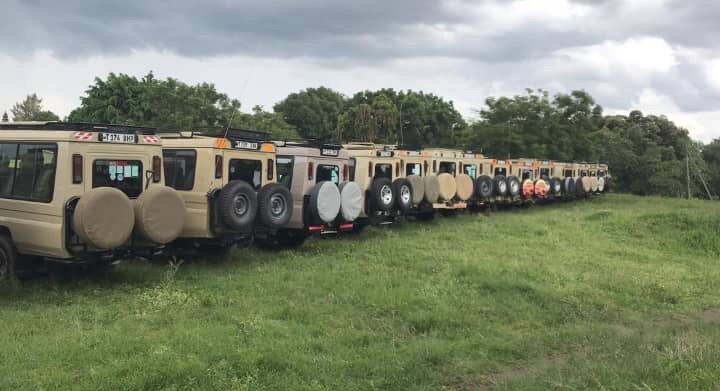
Your car is billed separately from your body. A private saloon of up to five seats attracts the smallest daily charge. A standard six to twelve seat safari vehicle, which is what almost every operator uses on a Mikumi game drive, costs several times that. Buses and trucks are charged at the top of the scale, which is worth knowing if you are travelling as part of a larger group and someone has suggested a coach.
Foreign registered vehicles pay more than Tanzanian registered ones. Self-drivers crossing in from Zambia or Malawi should budget for the higher band.
Split across a full car, the vehicle fee stops mattering very much. On your own, it can cost more than your own entry ticket.
Accommodation Tiers Around Mikumi National Park
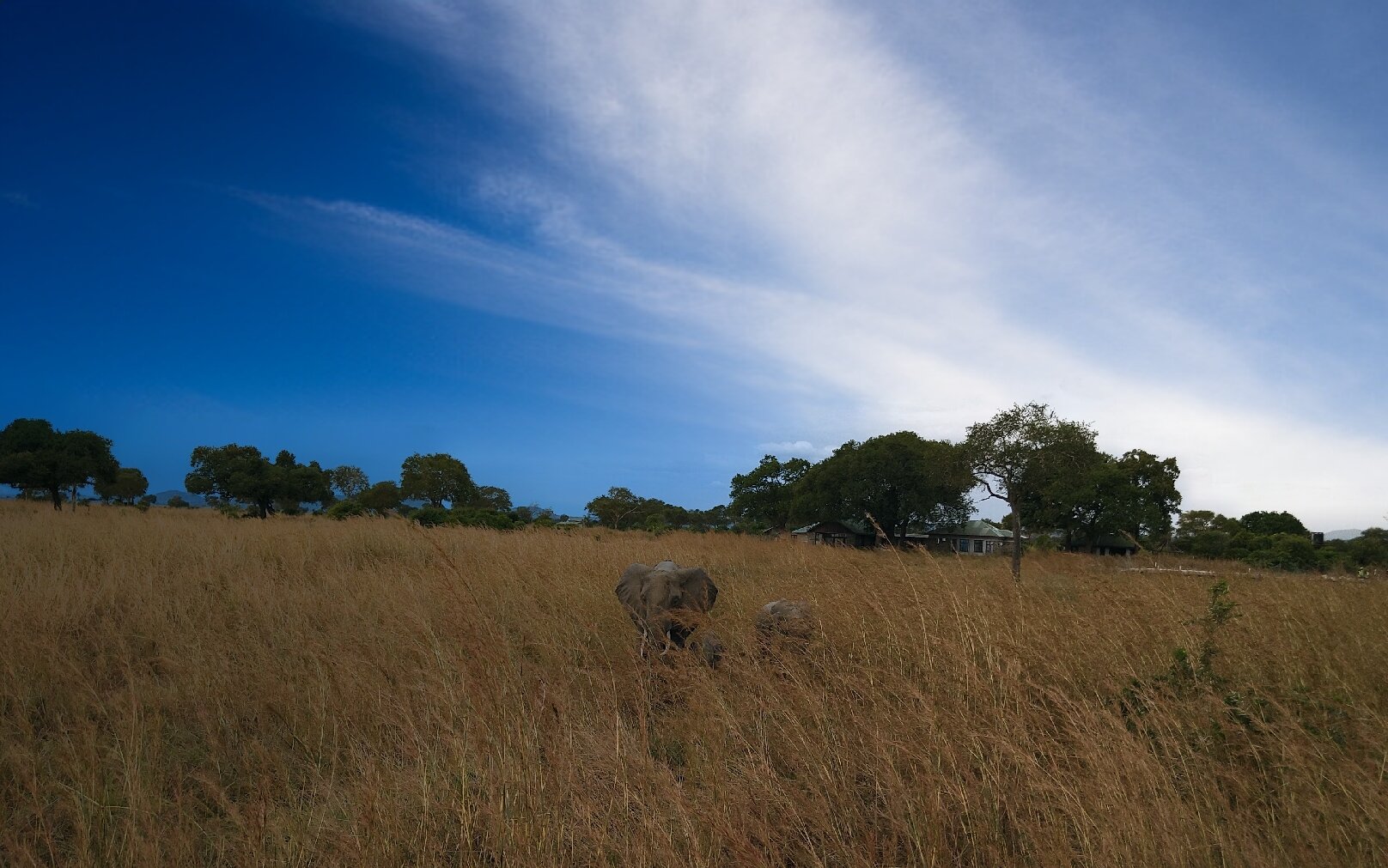
Where you sleep is the single biggest swing factor in a Mikumi safari budget, and the range here is wider than the park’s modest reputation suggests. Inside the park, Vuma Hills Tented Camp sits above the treeline in the southwest with sixteen tents on wooden decks, open year round. Stanley’s Kopje, on a rock outcrop over the Mkata floodplain, runs twelve tents and closes during the wettest months because the access track becomes unusable. Mikumi Wildlife Camp, sometimes called Kikoboga, sits near park headquarters overlooking a waterhole.
Outside the boundary, the town of Mikumi has a cluster of lodges and motels that cost a fraction of the in-park camps. Tan-Swiss Lodge, Camp Bastian, Angalia Tented Camp and Afrika Yangu are the names that come up most often. The trade-off is real: cheaper beds, but you pay park entry afresh each morning and lose the early light on the plains.
TANAPA also runs public campsites and remote special campsites inside the park, charged per person per night. Special campsites have no facilities at all, which is the point of them.
Budget Mikumi safari: lodge or campsite in Mikumi town, shared vehicle, one or two game drives, day trip or single overnight from Dar es Salaam. Park entry paid twice if you sleep outside.
Midrange Mikumi safari: two nights at a lodge just outside the gate or a modest in-park camp, private vehicle with driver guide, morning and afternoon drives, road transfer from the coast.
Comfort Mikumi safari: in-park tented camp such as Vuma Hills or Stanley’s Kopje, full board, private guide, added night drive or walking safari, sometimes a fly-in leg from Dar es Salaam or Zanzibar.
Ranger and Activity Fees for Walking Safaris and Night Drives in Mikumi
Mikumi is one of the few southern circuit parks where a guided walking safari is permitted, and it carries its own charge on top of park entry. Walks run with an armed ranger, usually in small groups, and typically last three to four hours in the early morning near the Mkata River corridor or around the hippo pools.
Night game drives are the other paid extra. They run roughly between eight and eleven in the evening, need an armed ranger in the vehicle, and must use a car fitted out for the purpose, which is why not every lodge offers them. TANAPA charges a per person night drive fee across the handful of parks where the activity is allowed, and there is usually a separate vehicle charge if you are using your own car.
Neither is expensive relative to the trip as a whole. Both need booking in advance rather than arranging at the gate.
Transport Costs for Getting to Your Mikumi Safari
Almost every Mikumi safari tour starts in Dar es Salaam. By road it is roughly 280 to 300 kilometres on tarmac via Morogoro, four to five hours in a private vehicle with a clean run, longer if you leave during the city’s morning crush. A private transfer with a driver guide is the standard arrangement and the cost is usually folded into the tour price rather than itemised.
Public buses run the same highway daily and cost very little, which is how independent travellers reach Mikumi town. You still need a vehicle inside the park, so the saving is smaller than it first appears.
The standard gauge railway now runs from Dar es Salaam to Morogoro in a fraction of the road time, and some operators use it for the first leg before picking guests up by road. Flying is the fourth option. Safari Air Link serves Kikoboga airstrip inside the park with connections from Dar es Salaam, Zanzibar, Nyerere and Ruaha, and it costs several times a road transfer.
What Makes a Mikumi Safari Cheaper or More Expensive
Group size does most of the work. The vehicle fee, the driver, the fuel and the guide are all fixed costs spread across whatever number of seats are filled, so two people travelling alone carry a per person figure that four people would never see. Joining a scheduled departure rather than booking privately is the simplest way to cut a Mikumi safari cost without cutting anything you would notice.
Season matters less here than in the north. Mikumi has no dramatic peak season pricing because it never gets truly crowded, and the wettest months bring little room rate differential.
Length matters a lot. Because park entry is charged daily, a third day costs more than a third of a three day trip. Two nights is the sweet spot for most people: enough for a sunrise drive, a full day on the floodplain circuit, and a morning departure.
Sightings in Mikumi are good rather than guaranteed. Elephant, buffalo, zebra, giraffe and eland are commonly seen on the Mkata floodplain through the dry months. Lion are regular but not daily. Leopard and wild dog are genuinely rare.
Timing Your Mikumi Safari Around the Seasons
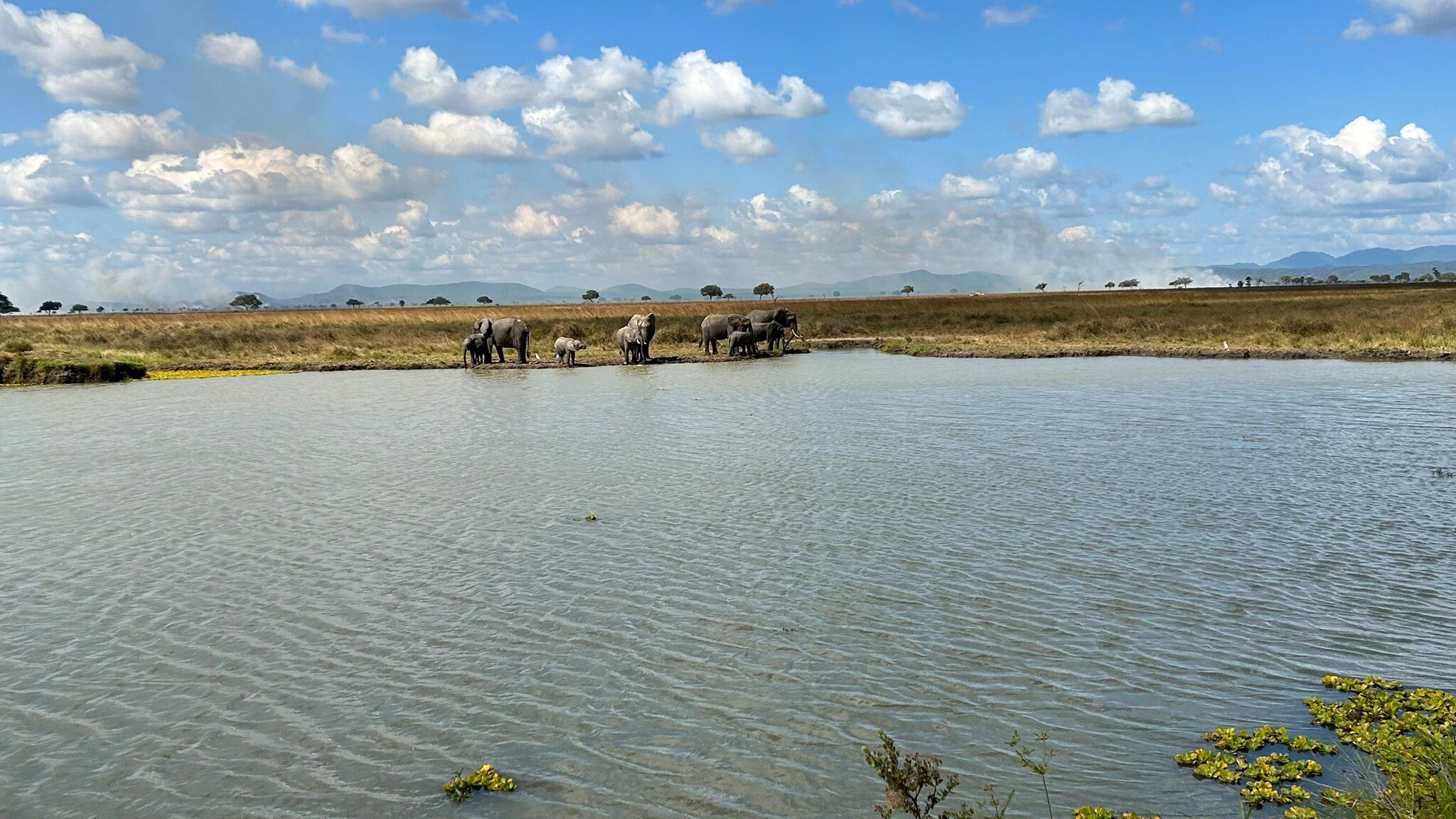
The dry season runs from June to October, and late June through October is when the grass thins, the waterholes shrink and the game concentrates. September and October are the strongest months for sheer volume of animals at water. Because Mikumi prices do not spike hard in these months, timing your trip well is one of the few free upgrades available.
November to May is wetter. March and April are the peak of the long rains, when parts of the park become difficult and some in-park camps close. Birding is at its best from November through February, when European migrants arrive and resident species come into breeding plumage.
Getting to Mikumi National Park and Where It Sits
Mikumi lies in the Morogoro region, bordered by the Uluguru Mountains to the northeast and the Rubeho range to the west, with Nyerere National Park immediately to the south. The two protected areas form one working ecosystem, which is why animals move between them.
The A7 highway to Iringa and Zambia runs straight through the park, splitting it in two. Roughly four fifths of Mikumi lies south of the road and sees almost no visitors. Everything most people come for sits north of the tarmac on the Mkata floodplain, served by a road circuit of about 60 kilometres. Udzungwa Mountains National Park is an easy add-on to the southwest, and Ruaha is around six hours further on the same road.
Mikumi Safari Cost Questions Answered
How much is the entry fee for Mikumi National Park?
Adult foreign non-residents currently pay around US$30 per person per day, with children aged 5 to 15 paying about US$10. Expatriate residents of Tanzania pay roughly US$15 for adults and US$5 for children. East African citizens pay a lower rate in Tanzanian shillings. Children under five enter free. TANAPA reviews the tariff annually, so confirm the figure with your operator or the park before you travel.
What does a vehicle cost to take into Mikumi?
Vehicle fees are charged daily and scale with size. A private car of up to five seats runs about US$10 per day for a foreign registered vehicle and around US$5 for a Tanzanian one. A six to twelve seat safari vehicle is roughly US$40 per day, and buses or trucks sit near US$100. The fee is separate from your own entry ticket.
How much does a two or three day Mikumi safari cost in total?
Budget group trips from Dar es Salaam typically land somewhere between US$300 and US$500 per person for two days, covering transport, a modest lodge, park fees and drives. Midrange private trips with a good lodge and a dedicated guide more often sit between US$600 and US$1,000 per person over two or three days. In-park tented camps push it higher again. Vuma Hills tents start near US$150 per person per night full board, with game package rates from around US$250, while Stanley’s Kopje runs closer to US$350 to US$500. Get an itemised quote rather than a single number.
Is camping in Mikumi cheaper than a lodge?
Yes, considerably. TANAPA public campsites in the Mikumi and Udzungwa group are charged around US$29.50 per adult per night, with children aged 5 to 15 near US$11.80. Special campsites, which are remote and have no facilities at all, cost more per person. You still need your own tent, food and a vehicle, so the saving works best for self-drive travellers and overlanders.
What do walking safaris and night game drives cost in Mikumi?
A guided walking safari with an armed ranger is usually quoted around US$20 to US$40 for a small group of foreign visitors, paid on top of park entry. Night game drives are charged per person, commonly near US$59 in the parks where TANAPA permits them, with an additional vehicle charge of roughly US$50 if you use your own car. Both need advance booking.
Can I visit Mikumi on a day trip and does that save money?
You can, and plenty of people do from Dar es Salaam. It means leaving around five in the morning and returning after dark, with only a few hours of daylight in the park. You still pay a full day of entry and vehicle fees, so the saving is on accommodation alone. Most guides would tell you one night in Mikumi buys a disproportionate improvement, because it gives you the first hour after sunrise on the floodplain.
Are park fees included in tour operator quotes?
Sometimes. This is the most common reason two Mikumi safari quotes differ by a few hundred dollars. Ask directly whether park entry, vehicle fees, camping or concession fees, and activity charges are inside the price. Reputable operators prepay TANAPA at a bank, which avoids card clearance costs at the gate.
Booking Your Mikumi Trip
The safari companies and tour operators listed on this website put trips like this together for a living and know which camps, guides and routes actually deliver. We are an independent guide to Mikumi; we do not book or sell tours ourselves.
When you are ready, arrange your safari, tour or holiday with one of the recognised operators listed here. Tell them your dates and what matters most, and a real person, not a form, will handle the itinerary, park bookings and logistics for you.