What Are the Top Reasons to Visit Mikumi?
The main reasons to book a Mikumi safari are accessibility, price and quiet: it is the only Tanzanian national park reachable from Dar es Salaam in a morning, its park fees sit well below the Serengeti and Nyerere, and you rarely share a sighting with another vehicle. Add reliable eland, lion on termite mounds, permanent hippo pools you can walk up to, night drives and walking safaris, and a mountain backdrop on two sides. Mikumi covers 3,230 square kilometres in Tanzania’s Morogoro region.
Below is each reason in turn, with the honest limits attached to it.
Mikumi Is the Most Accessible National Park in Tanzania
This is the reason that makes all the others possible. Mikumi sits 283 to 300 kilometres from Dar es Salaam on surfaced highway, four to five hours by road via Morogoro.
Every other major Tanzanian park asks for a domestic flight or a multi day drive. The northern circuit is reached from Arusha, roughly 795 kilometres away. Ruaha is six hours further along the same road Mikumi sits on.
That proximity turns a safari from a week-long commitment into a weekend. It works for business travellers with two spare days, for families on a short trip, and for anyone coming off Zanzibar wanting to see the mainland without a long detour.
Kikoboga airstrip inside the park also handles light aircraft from Dar es Salaam, Zanzibar, Nyerere and Ruaha.
The flip side of accessibility is the highway. Mikumi is the only protected area in Tanzania crossed by a national trunk road, and camps close to the tarmac carry night traffic noise. A few kilometres into the circuit it is out of sight and mostly out of earshot.
A Mikumi Safari Costs Considerably Less Than the Northern Circuit
Park fees here sit well below the flagship parks. Serengeti and Nyerere run near US$70 per day for adult non-East Africans; Mikumi sits around US$30, with children aged 5 to 15 near US$10.
Transport widens the gap further, since a road transfer from the coast replaces the domestic flights or long drives that a northern circuit trip requires. There are no Ngorongoro crater fees to add.
Accommodation follows suit. Lodges outside the boundary near Mikumi town start around US$75 to US$84 a night, and in-park camps run from about US$135 per person. Budget conscious itineraries are steered toward Mikumi, Ruaha, Saadani and Mkomazi for exactly this reason.
What you give up is polish. Mikumi has no true luxury properties in the international sense, and anyone selling you one is overstating.
You Will Not Share Sightings on a Mikumi Game Drive
Mikumi never really feels crowded. June to October is its high season, and even then most visitors stay on the central floodplain circuit, leaving the rest of the park close to empty.
Sitting at a waterhole with the engine off and nobody else in sight is normal here rather than lucky. In the busiest sectors of the northern circuit, a good sighting draws a line of vehicles.
For photographers this is worth real money. Being able to park at Chamgore or the Mwanamboga waterhole for forty minutes without anyone crowding the angle produces better images than a longer lens ever will.
Mikumi also attracts the highest number of domestic visitors of any Tanzanian national park, which gives it a local character the tourist-facing parks lack.
The Mkata Floodplain and Its Mini Serengeti Plains
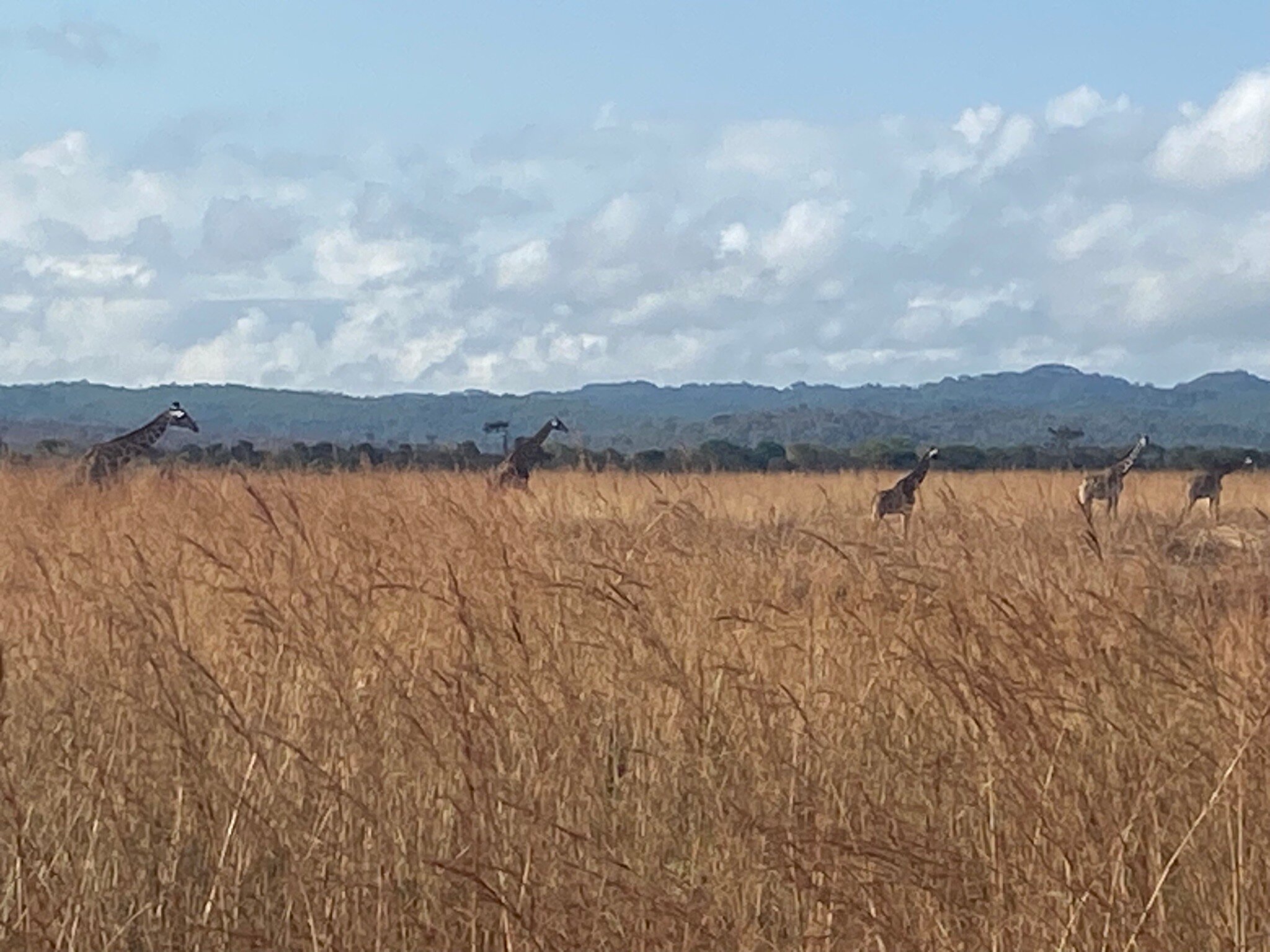
The Mkata Floodplain is the centrepiece: open grassland running to a mountain horizon, broken by acacia, baobab, tamarind and borassus palm, crossed by a graded circuit of about 60 kilometres.
The comparison to the southern Serengeti plains is visual and it holds up. What does not carry across is density. Game here is more varied but less concentrated, and there is nothing on the scale of a migration.
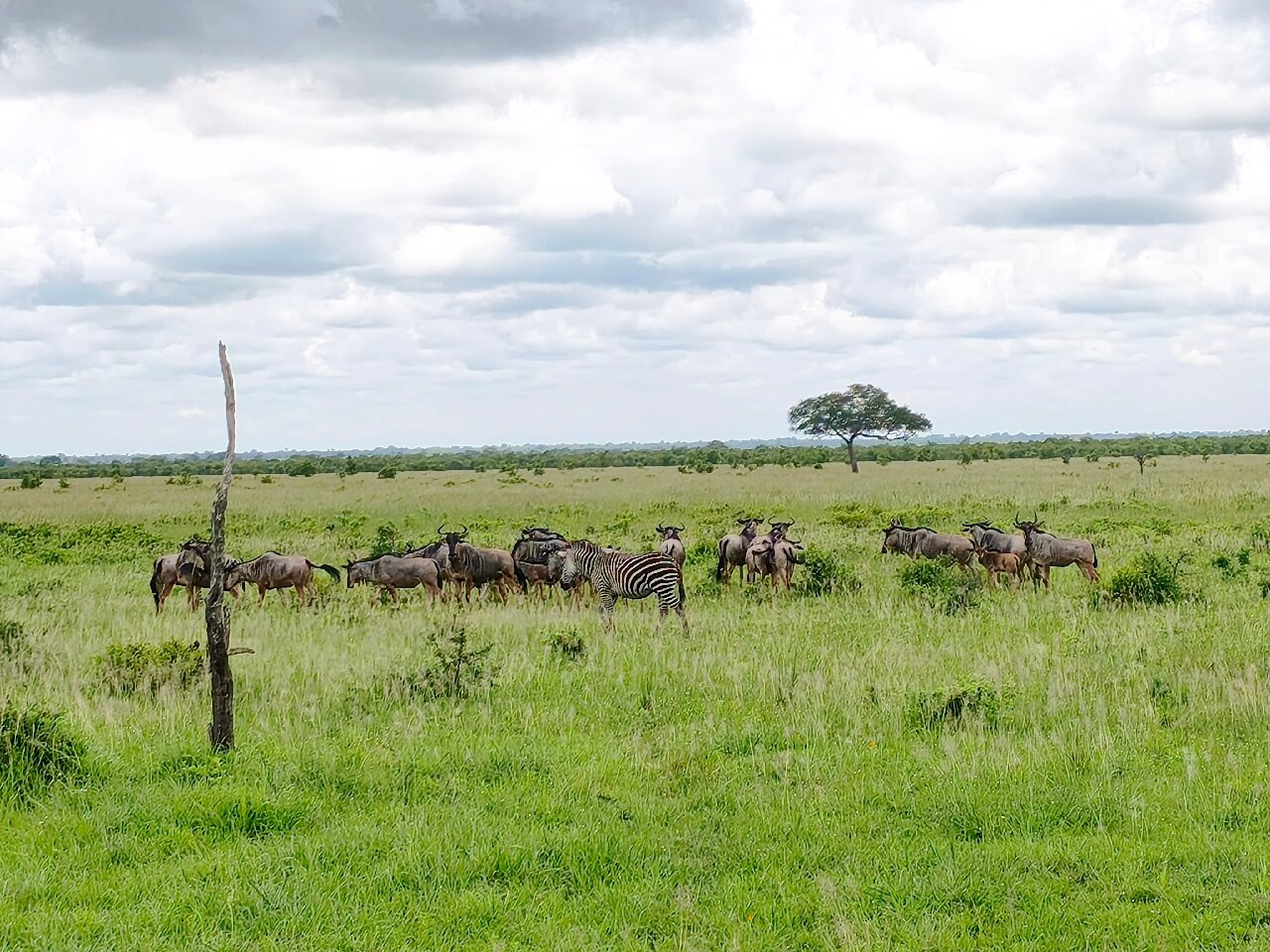
What the floodplain does deliver is eland. Mikumi is widely rated the most reliable place in Tanzania to see the world’s largest antelope, alongside zebra, wildebeest, impala, buffalo, giraffe and Lichtenstein’s hartebeest.
Lion use the flattened tops of termite mounds as lookouts over the herds, which is the behaviour the park is best known for, and during the rains they are occasionally recorded resting in trees.
Mikumi is not the best park in Tanzania and does not claim to be. It is the best park in Tanzania that you can reach before lunch, which is a different and often more useful thing.
Rare Antelope in the Mikumi Miombo Woodland
The reason serious wildlife watchers come here has nothing to do with the Big Five.
Sable antelope and greater kudu hold to the miombo woodland on the rising foothills, particularly toward the Vuma Hills in the southwest. A mature sable bull carries backswept horns close to a metre long, black flanks and a white face mask, and neither species is seen out on open grass.
Neither occurs on the northern circuit in any accessible way. For anyone who has already done Serengeti and Ngorongoro, this is what Mikumi adds.
African wild dog range across the wider Selous ecosystem and pass through occasionally, making Mikumi one of the few East African parks where a sighting is possible at all. It remains rare.
Hippo Pools You Can Walk Up To
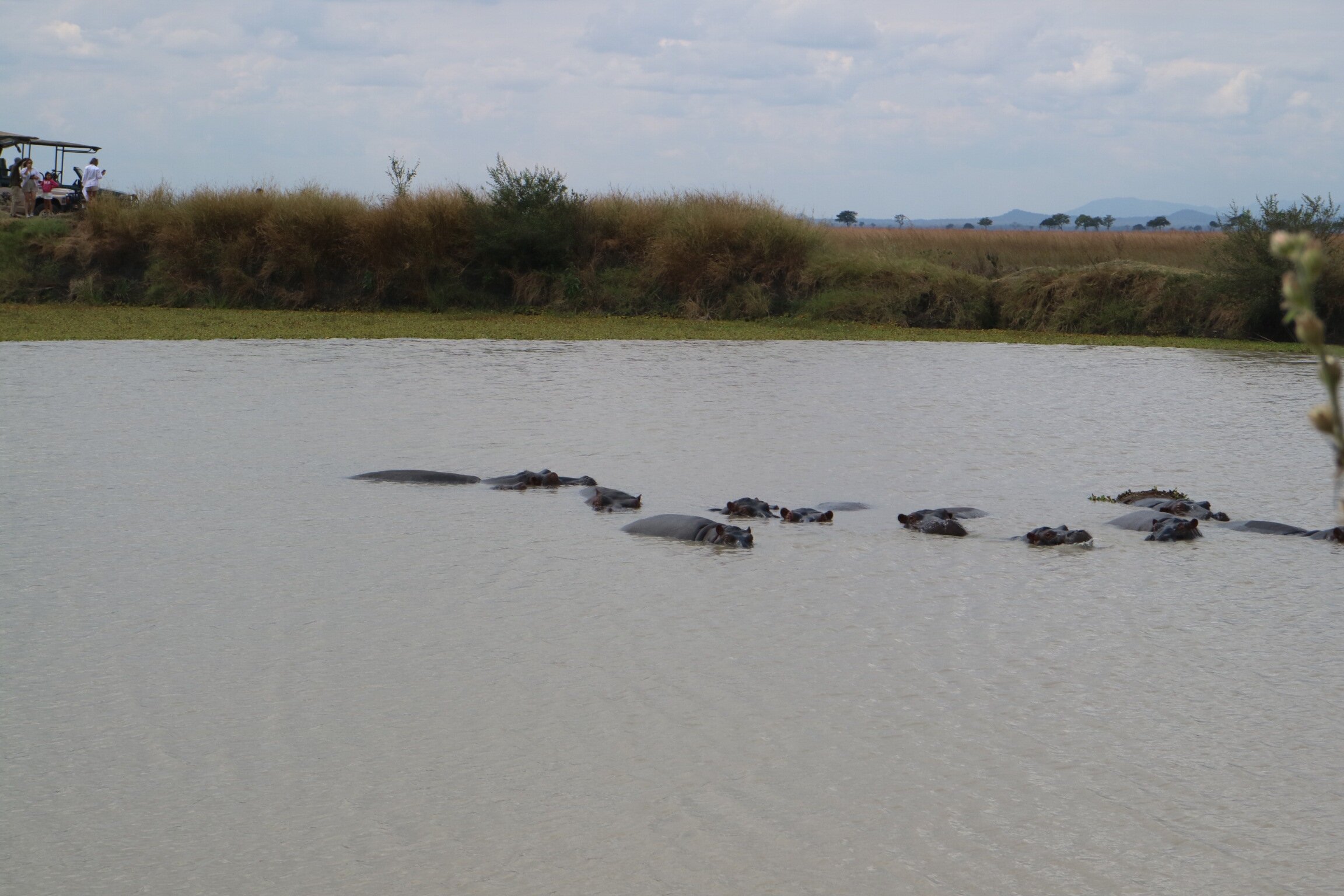
Two permanent pools about five kilometres north of the main gate hold hundreds of hippo along with Nile crocodile, and there is a designated viewing area where visitors may leave the vehicle.
Being able to stand and watch hippo from solid ground is uncommon in Tanzanian parks, and it is the thing families and first-time visitors remember most. Open-billed storks gather around the animals in flocks, working the mud they churn up.
Because the water is permanent in a park where nearly everything else is seasonal, the pools also draw elephant, buffalo and antelope through the dry months.
Toilets and a picnic spot alongside make this the natural place to break a morning circuit. Baboons will raid an unattended table, so keep bags closed.
Night Drives and Walking Safaris in Mikumi
Mikumi permits two things the Serengeti does not. Night game drives are allowed in a short list of Tanzanian parks including Mikumi, Ruaha, Katavi, Tarangire, Lake Manyara and Nyerere, running roughly eight until eleven in the evening with an armed ranger.
They turn up genet, civet, bushbaby and occasionally a hunting leopard, which is the most realistic route to a leopard sighting in this park.
Guided walking safaris also run here with an armed ranger, usually three to four hours in the early morning along the Mkata River corridor or near the hippo pools, focusing on tracks, feeding sign and plants rather than large animals.
Both need booking in advance. Together they turn a two night stay into something more varied than three game drives.
Mountain Scenery on a Mikumi Safari
Mikumi sits in a basin ringed by the Eastern Arc mountains, with the Uluguru range rising to about 2,630 metres northeast and the Rubeho plateau reaching 2,286 metres to the west.
That gives almost every wide photograph a third element most open plains parks lack. Morning light works toward the Ulugurus, evening toward the Rubehos, and from the Vuma Hills you get an elevated view over the whole plain with mountains beyond in both directions.
Sundowners are usually taken up there for that reason.
Best reasons to come: four to five hours from Dar es Salaam, entry around US$30 a day, almost no other vehicles, reliable eland and permanent hippo pools you can walk up to.
Best reasons to add a third night: the miombo woodland for sable and greater kudu, a walking safari, and a night drive for nocturnal species and a chance at leopard.
Honest limits: no migration, no rhino, leopard rare, no true luxury lodging, and a trunk road through the middle of the park.
Mikumi as the Gateway to Tanzania’s Southern Circuit
Mikumi borders Nyerere National Park to the south and the two function as one ecosystem. Together with the Udzungwa Mountains and the Uluguru range, the connected system spans more than 75,000 square kilometres.
That position makes it the natural first night on a longer trip. Udzungwa is a short drive southwest with forest walks and waterfalls, Nyerere is about two hours away with boat safaris on the Rufiji, and Ruaha is roughly six hours further or a short flight.
Used that way, Mikumi is less a destination than a doorway, and it is the only part of that whole wilderness a person can reach from the coast in a morning.
Questions About Visiting Mikumi
Is Mikumi worth visiting?
For a short trip from Dar es Salaam or Zanzibar, comfortably. You get four of the Big Five, more than 400 bird species, reliable eland, quiet sightings and mountain scenery at roughly half the entry cost of the flagship parks. For a first and only African safari with a large budget and two weeks, the northern circuit or Ruaha would deliver more.
What does a trip to Mikumi cost?
Park entry is around US$30 per adult foreign non-resident per day and about US$10 for children aged 5 to 15, with a vehicle fee near US$40 per day. Budget group trips from Dar es Salaam commonly run US$300 to US$500 per person for two days including transport, lodging, fees and drives. Private midrange trips more often sit between US$600 and US$1,000 per person.
How long do I need in Mikumi?
Two nights suits most people, giving three drives including two at first light and room for one extra activity. Three nights lets you add the miombo woodland where sable and greater kudu live. A day trip works because of the short drive from Dar es Salaam, but it misses both the dawn and dusk windows.
Is Mikumi good for a first safari?
Yes. It is affordable, easy to reach, holds a wide species mix and rarely feels crowded, which makes it a good introduction without a big commitment. Set expectations properly: sightings are good rather than guaranteed, lion are occasional and leopard rare.
What is the best time to visit Mikumi?
September and October, at the tail of the long dry season, when water is scarcest and animals gather at the remaining pools with the grass at its shortest. The wider dry season runs June to October. November to April suits birders better, when migrants arrive and the plain turns green.
Can I combine Mikumi with other parks?
Easily, and most itineraries do. Udzungwa Mountains is a short drive southwest for forest walks and waterfalls, Nyerere National Park about two hours south with boat safaris on the Rufiji, and Ruaha roughly 320 kilometres further or a short flight from Kikoboga airstrip.
Booking Your Mikumi Trip
The safari companies and tour operators listed on this website put trips like this together for a living and know which camps, guides and routes actually deliver. We are an independent guide to Mikumi; we do not book or sell tours ourselves.
When you are ready, arrange your safari, tour or holiday with one of the recognised operators listed here. Tell them your dates and what matters most, and a real person, not a form, will handle the itinerary, park bookings and logistics for you.