How Does Mikumi Compare to the Serengeti?
Mikumi is smaller, cheaper, far easier to reach and much quieter than the Serengeti, with a wider species mix but lower wildlife density and no migration. A Mikumi safari costs roughly half the Serengeti in park fees and starts four to five hours from Dar es Salaam by road, against a flight or a long drive from Arusha. Mikumi covers 3,230 square kilometres in Tanzania’s southern circuit; the Serengeti covers around 14,750 in the north.
Below is how the two parks compare across the things that actually shape a trip, and which one suits which kind of traveller.
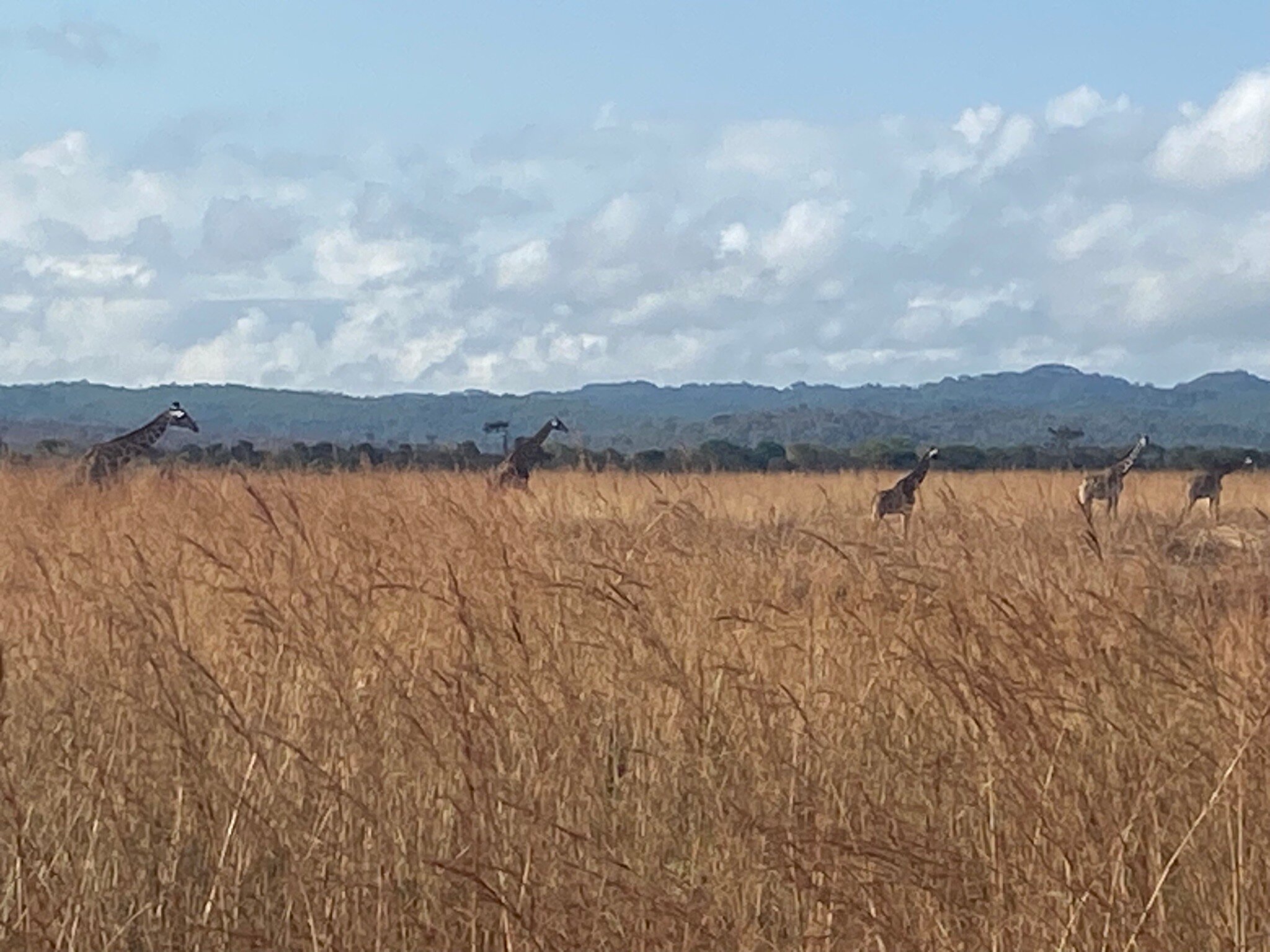
Mikumi and the Serengeti at a Glance
The nickname does not help anybody. Mikumi is widely called the mini Serengeti because the Mkata Floodplain looks strikingly like the southern Serengeti plains, and that comparison sets an expectation of scale that Mikumi never claimed to meet.
What is true is that the two parks share a visual grammar. Flat grass to the horizon, scattered flat-topped acacia, termite mounds, herds moving in the distance, borassus palm and the occasional baobab.
What is not true is that they are interchangeable. They sit on different circuits, cost different money, and reward different kinds of trip.
Most people asking this question are really asking whether they can substitute one for the other. If your priority is the migration or big cat density, no. If your priority is a real Tanzanian safari on a short schedule and a modest budget, Mikumi does the job the Serengeti cannot.
Size: How Mikumi Compares With the Serengeti
The Serengeti covers roughly 14,750 square kilometres. Mikumi covers 3,230, around a fifth of it, which makes Mikumi Tanzania’s fourth largest national park and the Serengeti one of the biggest protected areas in Africa.
Usable area narrows the gap. Mikumi’s game viewing happens on a circuit of about 60 kilometres across the Mkata Floodplain, with roughly four fifths of the park lying south of the Tanzam highway and largely undeveloped. So the ground you actually drive is more compact still.
That compactness has a real benefit. Two days in Mikumi covers the productive ground properly. Two days in the Serengeti barely covers one sector, and long transfers between sectors eat time that could be spent watching animals.
Access: Reaching Mikumi Versus a Serengeti Safari
This is the widest gap between the two and the reason Mikumi exists as a destination at all.
Mikumi sits 283 to 300 kilometres from Dar es Salaam on surfaced highway, four to five hours by road via Morogoro. It is the only Tanzanian national park that works as a genuine day trip from a major city, and Kikoboga airstrip inside the park handles light aircraft from Dar es Salaam, Zanzibar, Nyerere and Ruaha.
The Serengeti is reached from Arusha, either by a domestic flight or a long drive through Ngorongoro. Mikumi lies about 795 kilometres south of Arusha by road, which is why almost nobody links the two circuits by car.
For anyone arriving in Dar es Salaam or coming off Zanzibar with a few spare days, that difference decides the trip before any other consideration.
Cost: Park Fees and Safari Prices Compared
Serengeti entry sits near US$70 per day for adult non-East Africans. Mikumi sits around US$30 for the same category, with children aged 5 to 15 near US$10. Over a multi day trip with a vehicle fee on top, that gap compounds.
Transport widens it further. A Serengeti trip usually involves domestic flights or several days of driving from Arusha, along with Ngorongoro crater fees if the crater is included. Mikumi involves a road transfer from the coast.
Accommodation follows the same pattern. Mikumi has no true luxury properties, and its in-park camps run from around US$135 to US$500 per person per night, with lodges outside the boundary starting near US$75 to US$84. Serengeti properties climb far higher.
Budget conscious itineraries are steered toward Mikumi, Ruaha, Saadani and Mkomazi for exactly this reason.
Mikumi: 3,230 square kilometres, entry around US$30 per adult non-resident per day, four to five hours from Dar es Salaam by road, very few other vehicles, night drives and walking safaris permitted.
Serengeti: around 14,750 square kilometres, entry near US$70 per adult non-resident per day, reached by flight or long drive from Arusha, high vehicle numbers at sightings, the annual migration and balloon safaris.
Shared ground: open grassland plains, acacia woodland, termite mounds, lion, elephant, buffalo, giraffe, zebra and wildebeest. Both have a dry season running roughly June to October.
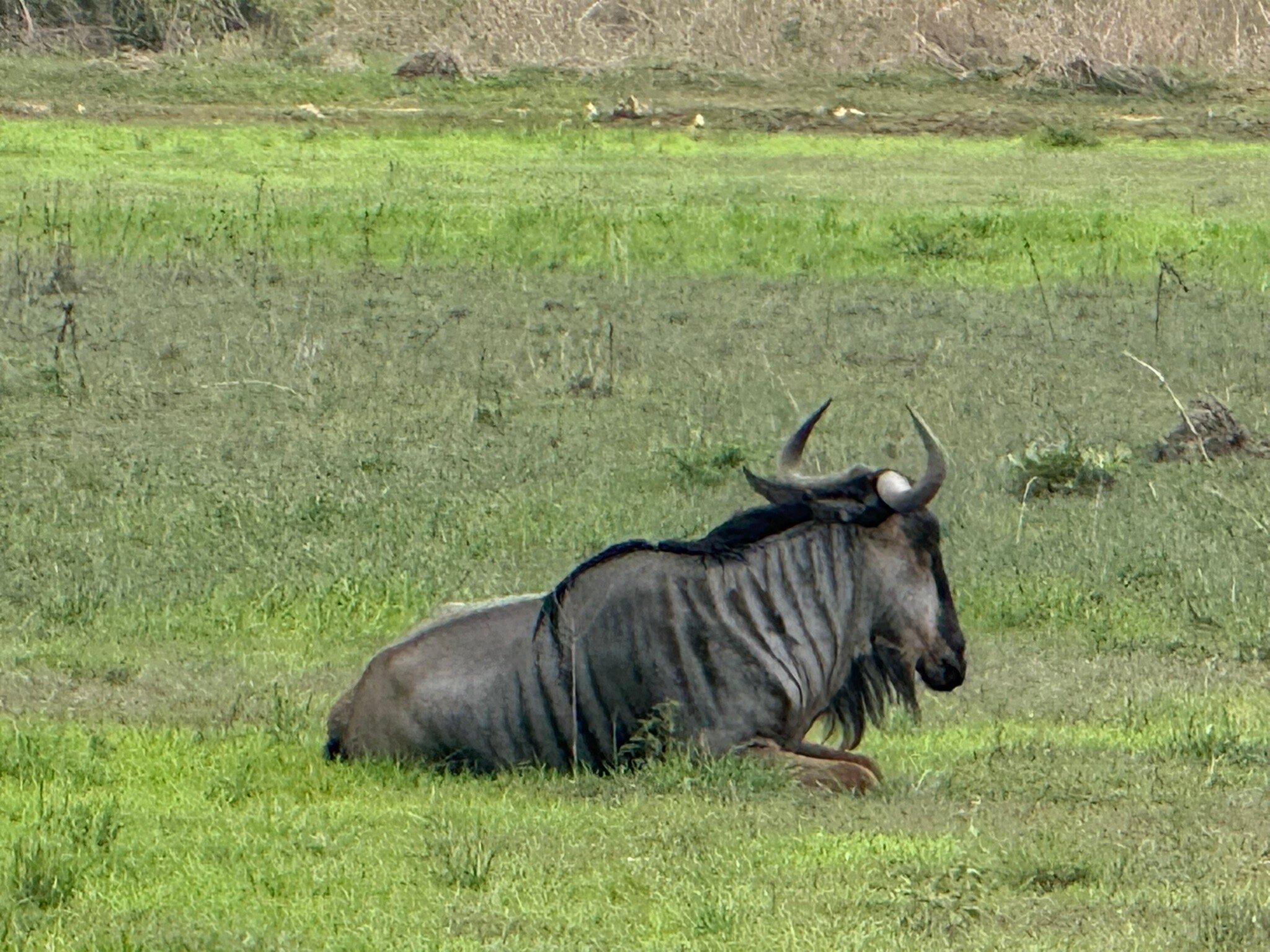
Wildlife: Density in the Serengeti Against Variety in Mikumi
Game in Mikumi is more varied but not as densely concentrated as in the Serengeti, and that trade sits at the centre of any honest comparison.
The Serengeti carries some of the highest big cat densities on the continent and enormous herd numbers. Sightings come faster and more predictably.
Mikumi’s strength is its species list relative to its size. It is widely rated the most reliable park in Tanzania for eland, the world’s largest antelope. Greater kudu, sable antelope and Lichtenstein’s hartebeest hold to the miombo foothills. African wild dog pass through occasionally from the wider Selous ecosystem. Mikumi’s giraffe are considered transitional between the Masai and reticulated forms.
Four of the Big Five are present in Mikumi. Rhino were lost to poaching in the 1990s. Lion are seen regularly, often perched on termite mounds, and leopard are present but genuinely rare. More than 400 bird species have been recorded.
The Great Migration and Why Mikumi Cannot Match It
The Serengeti has the annual movement of wildebeest and zebra across the ecosystem, and nothing in southern Tanzania comes close to it. If that is what you came to Africa for, no comparison is needed.
Mikumi has movement of a different kind. Animals shift between the floodplain and the miombo foothills with the seasons, and elephant and buffalo appear to move between the park and forest reserves in the Rubeho mountains to the west. The park also connects to Nyerere National Park to the south, with animals moving freely between them.
That is ecological connectivity rather than spectacle. It matters for the park’s health and produces nothing a visitor can photograph.
The Serengeti gives you scale. Mikumi gives you a waterhole to yourself for forty minutes. Which of those is better depends entirely on what you came for.
Crowds and Vehicle Numbers on a Mikumi Safari
Mikumi never really feels crowded. June to October is its high season, and even then most visitors stay on the central floodplain circuit, leaving the rest of the park almost empty.
The Serengeti in peak season is a different experience. Popular sightings draw multiple vehicles, and the busiest sectors carry serious traffic.
For photographers and for anyone who dislikes queuing for a view of a lion, this is Mikumi’s strongest card after price. Sitting at a waterhole in Mikumi with the engine off and nobody else in sight is normal rather than lucky.
The counterweight is the highway. Mikumi is the only protected area in Tanzania crossed by a national trunk road, and while the circuit sits away from it, camps close to the tarmac carry night traffic noise.
Activities: Night Drives and Walking Safaris in Mikumi
Mikumi permits things the Serengeti does not. Night game drives are allowed in a short list of Tanzanian parks that includes Mikumi, Ruaha, Katavi, Tarangire, Lake Manyara and Nyerere, and the Serengeti is not on it. Drives run roughly eight until eleven with an armed ranger and turn up genet, civet, bushbaby and occasionally a hunting leopard.
Guided walking safaris also run in Mikumi with an armed ranger, usually three to four hours in the early morning near the Mkata River corridor or the hippo pools.
The Serengeti offers what Mikumi cannot: hot air balloon safaris over the plains at dawn, and the sheer variety that comes with a much larger area.
Mikumi’s hippo pools, with a viewing area where visitors may leave the vehicle, are another thing the northern circuit rarely offers.
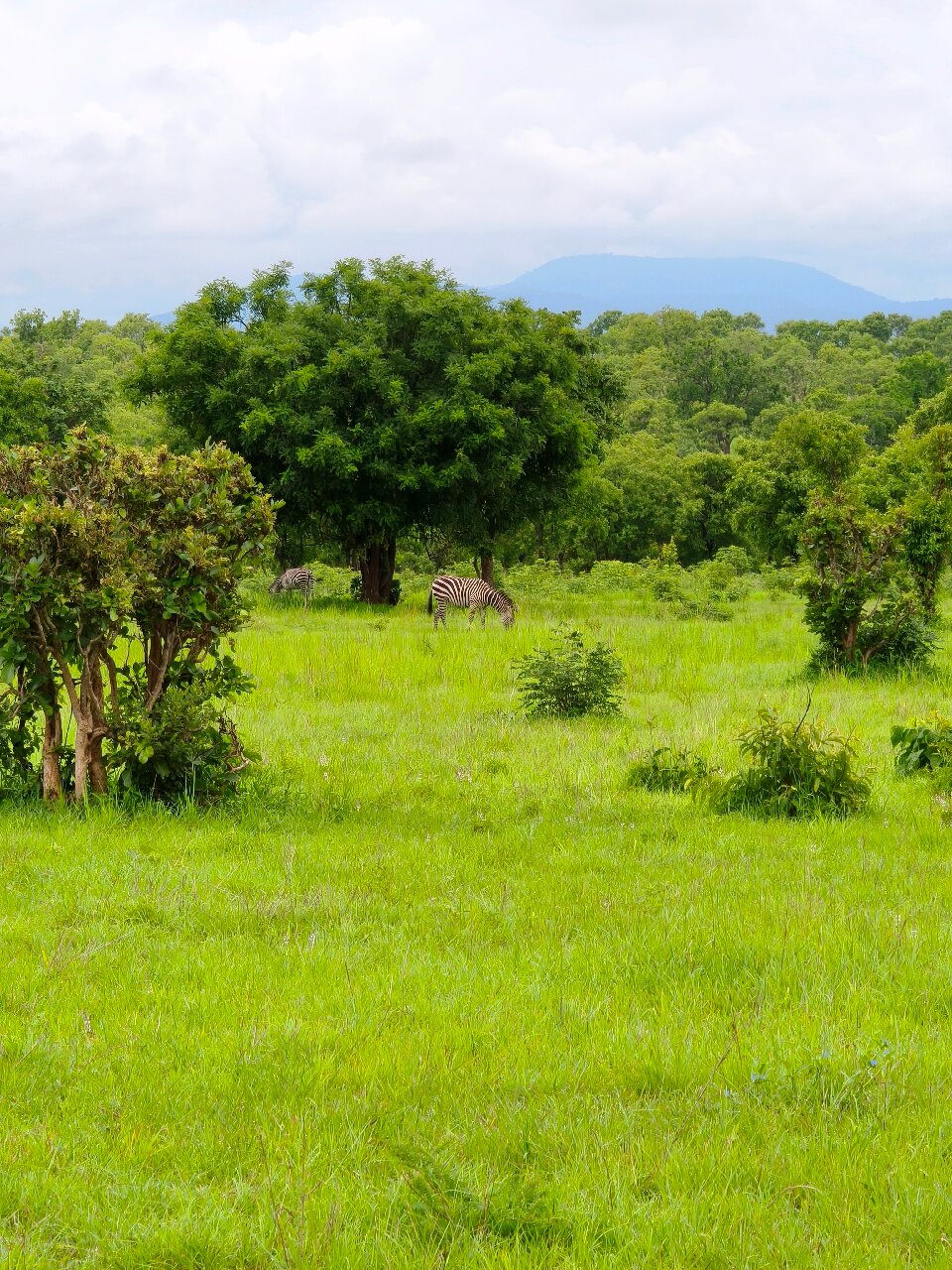
Scenery: Mountains Behind the Mkata Floodplain
Mikumi sits in a basin ringed by the Eastern Arc mountains, with the Uluguru range rising to about 2,630 metres to the northeast and the Rubeho plateau reaching 2,286 metres to the west.
That gives almost every wide photograph a third element the Serengeti mostly lacks. Morning light works toward the Ulugurus, evening light toward the Rubehos.
The Serengeti has its own scenery, and the endless plains and granite kopjes are famous for good reason. But a wide shot in Mikumi tells you where you are in a way that a wide shot on open Serengeti grass often does not.
Which Park Suits Which Kind of Safari Trip
Choose the Serengeti if you have a week or more, a substantial budget, and want the migration, big cat density and balloon safaris. Choose Mikumi if you have two or three days, are starting from Dar es Salaam or Zanzibar, want a real safari without a flight, and would rather have quiet sightings than guaranteed ones.
Many people do both eventually, and they belong to different trips. Mikumi pairs naturally with Udzungwa, Nyerere and Ruaha on the southern circuit. The Serengeti pairs with Ngorongoro, Tarangire and Lake Manyara in the north.
Questions About Mikumi Versus the Serengeti
Is Mikumi cheaper than the Serengeti?
Considerably. Serengeti entry sits near US$70 per adult non-East African per day against roughly US$30 for Mikumi, with children aged 5 to 15 near US$10 in Mikumi. Transport, accommodation and the absence of domestic flights widen the gap further. Mikumi lodges outside the park start around US$75 to US$84 a night.
Can I see the migration in Mikumi?
No. The annual wildebeest and zebra movement happens in the Serengeti ecosystem in northern Tanzania and Kenya. Mikumi has seasonal movement between floodplain and woodland and connectivity with Nyerere National Park and the Rubeho forests, but nothing comparable as a spectacle.
Which park has better lion sightings?
The Serengeti, on density and predictability. Mikumi’s lion are seen regularly on the Mkata Floodplain through the dry season, often on termite mounds, and are occasionally recorded resting in trees during the rains. Sightings in Mikumi are good rather than dependable, and September and October give the best odds when the grass is shortest.
Can I visit both Mikumi and the Serengeti on one trip?
Possible but awkward. They sit on opposite circuits roughly 795 kilometres apart by road, so linking them means a domestic flight and a fair amount of cost. Most itineraries pick one circuit. Mikumi combines naturally with Udzungwa, Nyerere and Ruaha in the south.
Does Mikumi have things the Serengeti does not?
Yes. Night game drives are permitted in Mikumi and not in the Serengeti. Guided walking safaris run here with an armed ranger for around US$20 to US$25 per person. The hippo pools have a viewing area where you can leave the vehicle. Mikumi also has a mountain backdrop and far fewer other vehicles.
Is Mikumi worth visiting if I have already seen the Serengeti?
For the antelope, yes. Eland, sable, greater kudu and Lichtenstein’s hartebeest are all far more accessible here, and the miombo woodland species do not occur on the northern circuit at all. As a repeat of the Serengeti experience it will underwhelm; as a different kind of park it holds up well.
Booking Your Mikumi Trip
The safari companies and tour operators listed on this website put trips like this together for a living and know which camps, guides and routes actually deliver. We are an independent guide to Mikumi; we do not book or sell tours ourselves.
When you are ready, arrange your safari, tour or holiday with one of the recognised operators listed here. Tell them your dates and what matters most, and a real person, not a form, will handle the itinerary, park bookings and logistics for you.