Day Trip From Dar es Salaam in Mikumi National Park
A day trip safari to Mikumi National Park from Dar es Salaam means leaving the city around five in the morning, reaching the gate by late morning, driving the Mkata Floodplain circuit through the middle of the day, and returning to the coast in the evening. Mikumi is the only Tanzanian national park where this works, sitting 283 to 300 kilometres away on surfaced highway. It costs you the dawn and dusk hours, which is the honest trade. The park covers 3,230 square kilometres in the Morogoro region.
Below is exactly how the day runs, what it delivers, and when a single night would serve you better.
Why a Mikumi Day Trip From Dar es Salaam Is Possible
Every other major Tanzanian park requires a domestic flight or a multi day drive. The northern circuit is reached from Arusha, roughly 795 kilometres away. Ruaha sits six hours beyond Mikumi on the same road.
Mikumi is four to five hours from Dar es Salaam via Morogoro on tarmac the whole way, which puts it inside the range of a long day. That is why it draws weekend visitors from the city, business travellers with a spare day, and anyone wanting a real safari without committing a week.
The park also attracts the highest number of domestic visitors of any Tanzanian national park, and day trips from the coast are a large part of that.
None of this makes it a short day. Ten hours of driving bookending a few hours in the park is the arrangement, and it should be understood before booking rather than discovered on the road.
The most common regret on a Mikumi day trip is not the driving, it is arriving at eleven and realising the best hours finished before you got there. If one night is affordable, take it. If it is not, a day trip is still a real safari.
How a Mikumi Day Trip From Dar es Salaam Runs
Departure is between five and six in the morning, from your hotel or from Julius Nyerere International Airport. Leaving later means hitting the city’s morning traffic, which can add well over an hour before you have cleared the outskirts.
The route runs west on the Morogoro road, through Morogoro town at the foot of the Uluguru Mountains, then southwest on the A7 to the park. Morogoro sits about 118 kilometres short of Mikumi and is the last place with proper fuel and shops.
You reach the main gate by late morning, pay fees, and start the circuit. Lunch is usually taken at the hippo pools picnic area. A shorter afternoon drive follows, then departure by around two or three to reach the coast in the evening.
Gates close at six, and driving the highway after dark is the part worth avoiding, so operators build the return around daylight.
What You Actually See on a Mikumi Day Trip
More than people expect, because the timing suits some species even while it misses others.
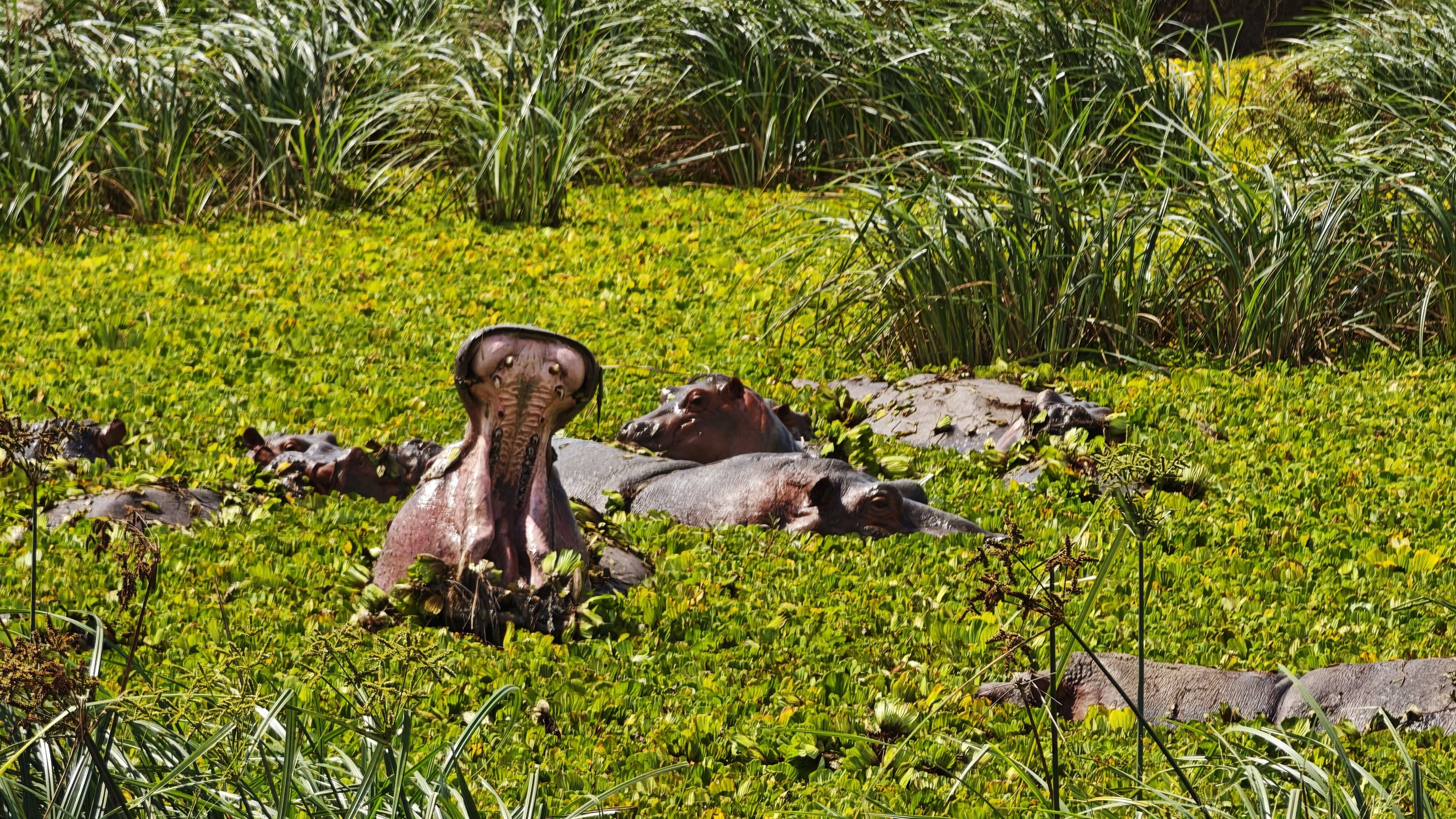
The hippo pools sit five kilometres north of the main gate, and hippo stay in the water through the middle of the day, grazing at night. So the hours a day trip spends in the park are the hours the pools are busiest. That is a genuine piece of luck rather than a consolation.
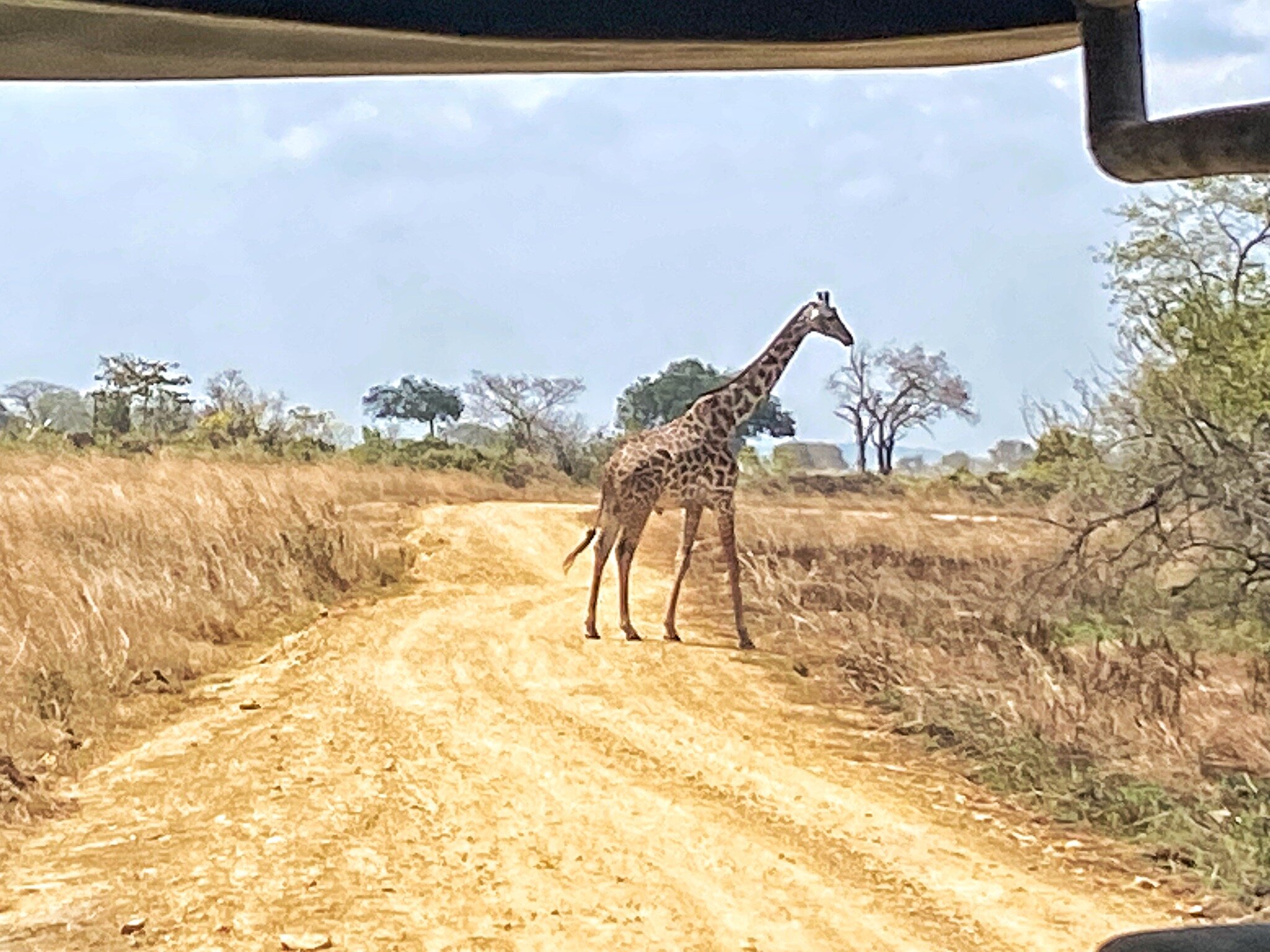
Zebra, impala, warthog, giraffe and yellow baboon are near certain on the floodplain, and commonly visible even from the highway that crosses the park. Elephant and buffalo come to water mid-morning, which a late arrival can still catch.
What you lose is the first hour after gates open and the last before they close. Those are when lion and spotted hyena are most findable, and when the light is worth photographing.
The Trade-Offs of a Mikumi Day Safari
Be clear about the arithmetic. You still pay a full day of park entry and vehicle fees regardless of how many hours you are inside, so the only saving over an overnight trip is the bed.
You spend roughly nine or ten hours in a vehicle on tarmac for perhaps four or five hours of game viewing. The plain is flat and hot through the middle of the day, and predators lie up.
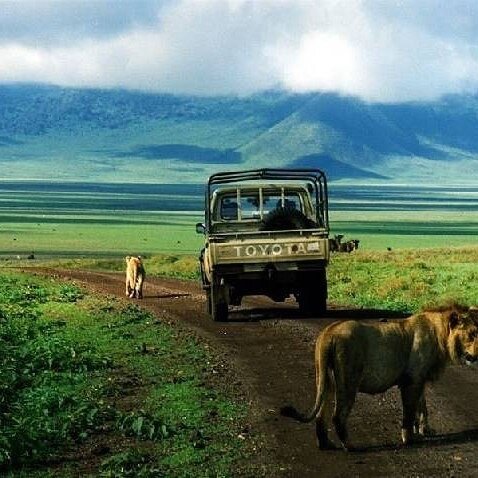
Lion in Mikumi are described as occasional rather than abundant, and a single midday drive is a poor bet for them. Leopard are rare at any time.
Against that, you see a genuine Tanzanian national park, four of the Big Five are present, and you sleep in your own bed. For someone with one free day in Dar es Salaam, that is a reasonable exchange.
A day trip buys you Mikumi’s middle. One night buys you its edges, and the edges are where the park does its best work.
Getting the Most From a Mikumi Day Trip
Leave earlier than feels reasonable. Every thirty minutes of departure time converts directly into game viewing at the other end, and five in the morning is not excessive.
Ask whether the vehicle collecting you is the one that enters the park. A saloon or minibus is fine on tarmac and marginal on the floodplain circuit, particularly outside the dry season, and that mismatch is the most common problem on budget day trips.
Prioritise water over distance. The hippo pools, then the Mkata and Chamgore waterholes, with real sitting time at each, produces more than racing the full 60 kilometre circuit.
Bring everything you need. There is nowhere inside the park to buy food or water and no ATMs, and park fees are paid by card rather than cash.
When a Night in Mikumi Is Worth the Extra Cost
One night changes the trip more than any other single decision, and it is worth knowing exactly why.
Park entry runs 24 hours from the moment you clear the gate. Sleeping inside the park keeps that clock running overnight and puts you on the circuit at gate opening, in the first two hours when predators are still moving and the light is best.
Budget group trips from Dar es Salaam with one night commonly run US$300 to US$500 per person over two days, including transport, a modest lodge, park fees and drives. Lodges outside the boundary near Mikumi town start around US$75 to US$84 a night, and in-park camps from about US$135 per person.
If lion, photography or birding matter to you at all, the overnight is not really optional. If you simply want to see African wildlife once, a day trip does the job.
Alternatives to Driving on a Mikumi Day Trip
The standard gauge railway now links Dar es Salaam and Morogoro in a fraction of the road time, and some operators use it for that leg before collecting guests by vehicle for the remaining two hours. It removes the worst of the traffic and needs arranging in advance.
Flying into Kikoboga airstrip inside the park is possible, with Safari Air Link connecting Dar es Salaam, Zanzibar, Nyerere and Ruaha. Flight time from the coast runs roughly an hour to ninety minutes, which would make a day trip far more comfortable, at several times the cost of a road transfer.
Public buses run the highway daily and stop at Mikumi town, but they do not solve the problem, since you still need a vehicle to enter the park and the timings do not suit a same-day return.
Best Season for a Mikumi Day Trip
June to October is the dry season and the strongest window, with September and October the peak. Water is scarcest, animals concentrate on the remaining pools, and the shorter grass makes the midday hours less of a write-off than they would otherwise be.
That matters more on a day trip than on a longer stay, because you have no second attempt. In October a few hours in the middle of the day still produces a lot.
From November to May, animals disperse, grass grows past a metre and midday game viewing gets considerably harder. March and April also bring track conditions that slow every kilometre. A day trip in April is possible and will underdeliver.
Day trip: five in the morning departure, four to five hours in the park over the middle of the day, home by evening. Full park fees, no bed cost, best hours missed.
Two days, one night: afternoon drive on arrival, sunrise drive the next day, back to the coast after lunch. Commonly US$300 to US$500 per person on a group departure.
Three days, two nights: three drives plus room for a walking safari or night drive, and time to reach the miombo woodland where sable and greater kudu live.
Questions About Mikumi Day Trips From Dar es Salaam
How much does a Mikumi day trip from Dar es Salaam cost?
Prices vary by operator and group size. The fixed costs underneath are park entry at around US$30 per adult foreign non-resident and about US$10 for children aged 5 to 15, plus a vehicle fee near US$40 per day for a six to twelve seat safari vehicle, and the transport itself. Ask whether park fees are inside the quoted price, since many operators exclude them.
How long is the drive from Dar es Salaam to Mikumi?
Four to five hours each way in a private vehicle on surfaced highway via Morogoro, covering 283 to 300 kilometres. Leaving during the city’s morning traffic can push it past six hours, which is why departures are set between five and six in the morning.
Is a Mikumi day trip worth it?
For someone with one free day in Dar es Salaam, yes. You see a genuine national park with four of the Big Five present, and the hippo pools are at their best during the exact hours a day trip is there. What you miss is dawn and dusk, which are the most productive windows and where the photography is.
What time do I need to leave Dar es Salaam?
Between five and six in the morning. Every thirty minutes earlier converts directly into game viewing time at the other end. A departure at eight means arriving in the afternoon heat with most of the day gone, and the return drive is best completed before dark.
Can I see lions on a Mikumi day trip?
Possibly, but it is a poor bet. Lion here are described as occasional rather than abundant and are most findable in the first two hours after gates open and from about four in the afternoon, both of which a day trip misses. September and October give the best chance because the grass is shortest.
Should I do a day trip or stay one night?
One night if you can afford it. Park entry runs 24 hours from when you enter, so staying inside the park keeps it running overnight and puts you on the circuit at gate opening. Budget two day trips from Dar es Salaam commonly run US$300 to US$500 per person, and the difference in what you see is substantial.
Booking Your Mikumi Trip
The safari companies and tour operators listed on this website put trips like this together for a living and know which camps, guides and routes actually deliver. We are an independent guide to Mikumi; we do not book or sell tours ourselves.
When you are ready, arrange your safari, tour or holiday with one of the recognised operators listed here. Tell them your dates and what matters most, and a real person, not a form, will handle the itinerary, park bookings and logistics for you.