Full-Day Game Drive in Mikumi National Park
A full-day game drive safari in Mikumi National Park runs from gate opening at first light until the gates close at six, with a packed lunch taken in the park rather than a return to camp. It covers ground a split morning and afternoon cannot, letting you reach the miombo woodland toward the Vuma Hills or work the far loops of the 60 kilometre Mkata Floodplain circuit. Mikumi covers 3,230 square kilometres in Tanzania’s Morogoro region, four to five hours inland from Dar es Salaam.
Below is how a full day works, what it buys you over two shorter drives, and who it suits.
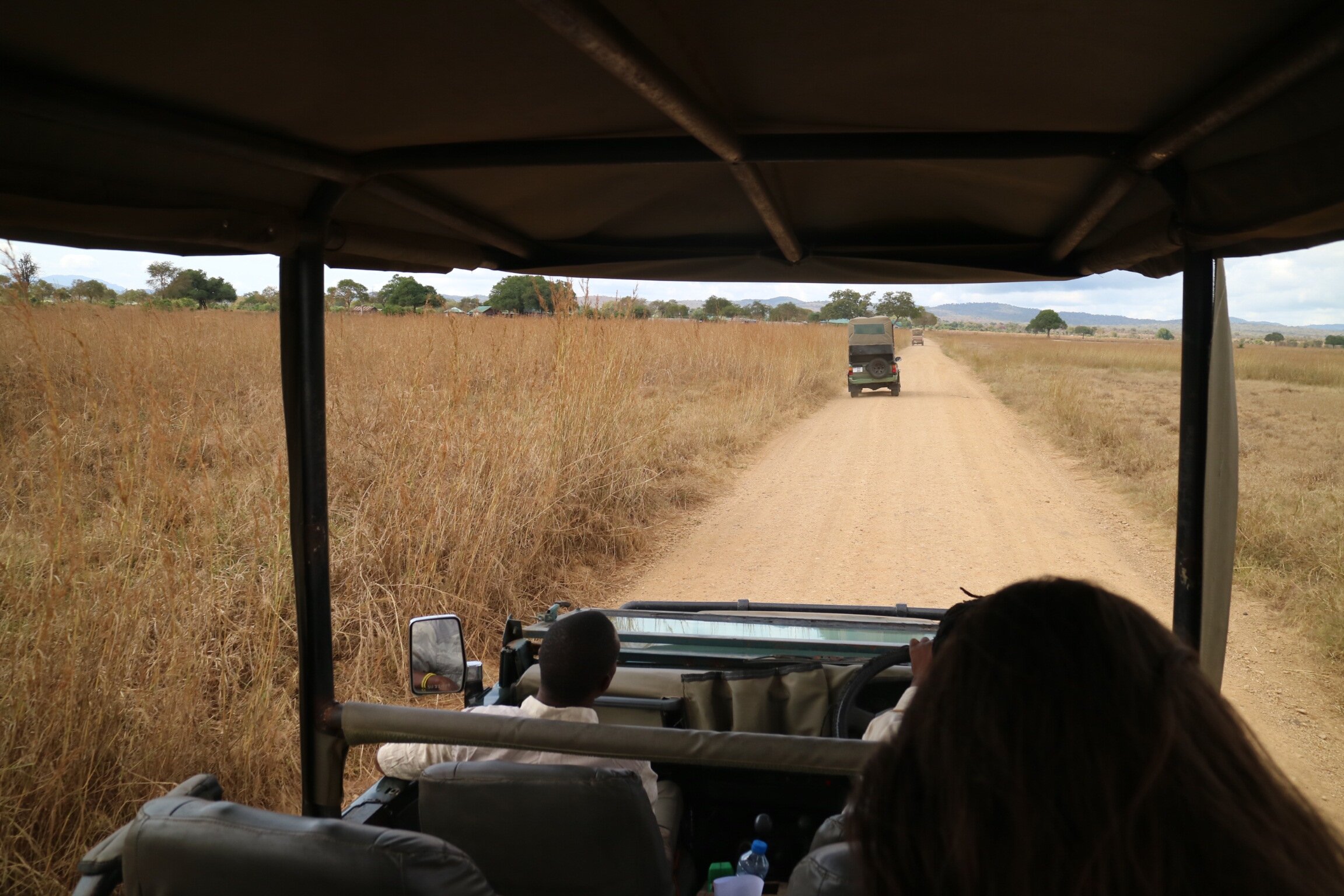
What a Full-Day Game Drive Safari in Mikumi Involves
The structure is straightforward. You leave camp at or just before first light with a packed lunch and enough water for the day, drive the circuit with long stops, break somewhere shaded in the middle of the day, then continue through the afternoon and return before six.
Ten or eleven hours in a vehicle is a real commitment. It is not the default option at most camps, and it needs arranging in advance so the kitchen can prepare food.
Vehicles are typically extended Land Cruisers with a pop top roof, which matters more on a full day than a short drive because you will be sitting under it through the midday sun. A cool box for water and lunch is not optional.
The alternative shape, offered by most camps as standard, is a morning drive of three to four hours and an afternoon drive of two to three, with a rest at camp in between.
Do a full day on your second day rather than your first. Arrival day usually involves a four to five hour road transfer already, and stacking a ten hour drive on top of that produces exhausted people who stop looking out of the window by three in the afternoon.
What a Full Day Buys You on the Mkata Floodplain Circuit
The main gain is reach. Mikumi’s tourist circuit runs about 60 kilometres of graded track with loops branching and rejoining, and a split-day pattern tends to keep you within a comfortable radius of camp because you have to be back for lunch.
A full day removes that tether. You can work the far northern loops, follow the Kisingura circuit properly, and spend forty minutes at a waterhole without watching the clock.
It also lets you reach the miombo woodland on the rising foothills toward the Vuma Hills, where greater kudu and sable antelope live. Those species are seldom seen on open grass, and reaching their country from a floodplain base is the main reason short itineraries go home without them.
The other gain is patience. On a full day you can afford to sit somewhere for an hour on the strength of a guide’s hunch, which is exactly the sort of decision a three hour drive discourages.
First Light on a Full-Day Mikumi Game Drive
The first two hours are the most productive of the day and a full day starts with them intact.
Lion on the floodplain use the flattened tops of termite mounds as lookouts over the herds, and dawn is when they are still up there. Work the mounds with binoculars rather than sweeping open grass. Spotted hyena turn up on early drives, often heading back toward a den.
It is cold. The dry season from June to October is the coolest part of the year, with temperatures near 15 degrees at first light and wind chill making it feel worse in a moving vehicle. Bring a fleece that packs away, because by eleven you will be in the high twenties.
Coffee before departure is standard. Breakfast on a full day is usually taken as a packed item rather than at table.
Midday and the Lunch Stop on a Full Day Safari
The middle of the day is the weak part of a full-day drive and there is no point pretending otherwise. There is no shade anywhere on the open floodplain, animals lie up, and a drive between eleven and three across the plain produces mostly empty grass.
Use it deliberately. The hippo pools five kilometres north of the main gate are the exception to the midday rule, because hippo stay in the water through the middle of the day and are out grazing at night. Late morning to early afternoon shows more animals there than dawn does.
The picnic area at the pools has toilets and shade and is the natural lunch stop, with a viewing area where you can leave the vehicle. Baboons will take food from an unattended table without hesitation, so keep bags closed and hands on things.
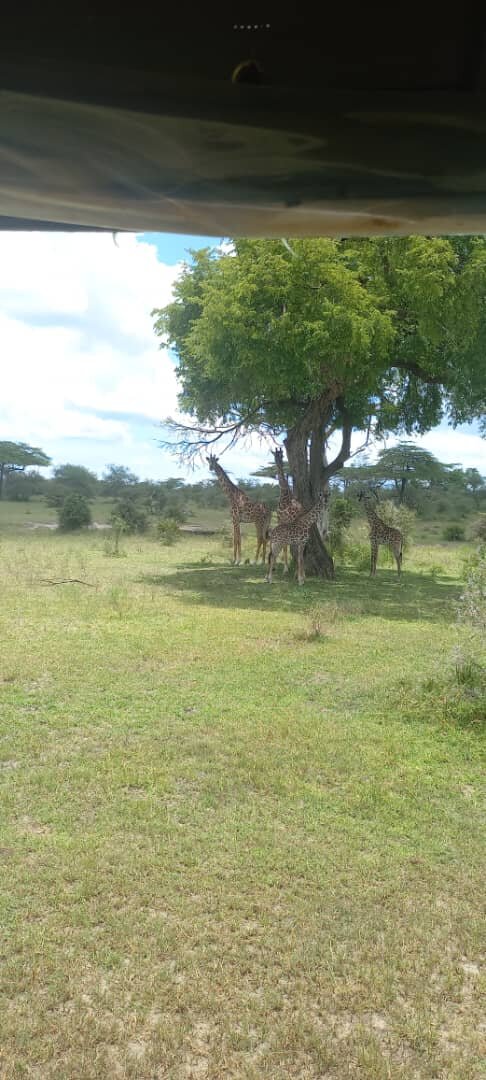
The riverine acacia and tamarind stands along the Mkata River are the other midday option, since elephant and giraffe shelter there through the heat.
A full day is not ten hours of good game viewing. It is four hours of excellent, three hours of quiet, and three more hours of excellent, and the quiet middle is the price of the two ends.
The Afternoon Half of a Full-Day Game Drive
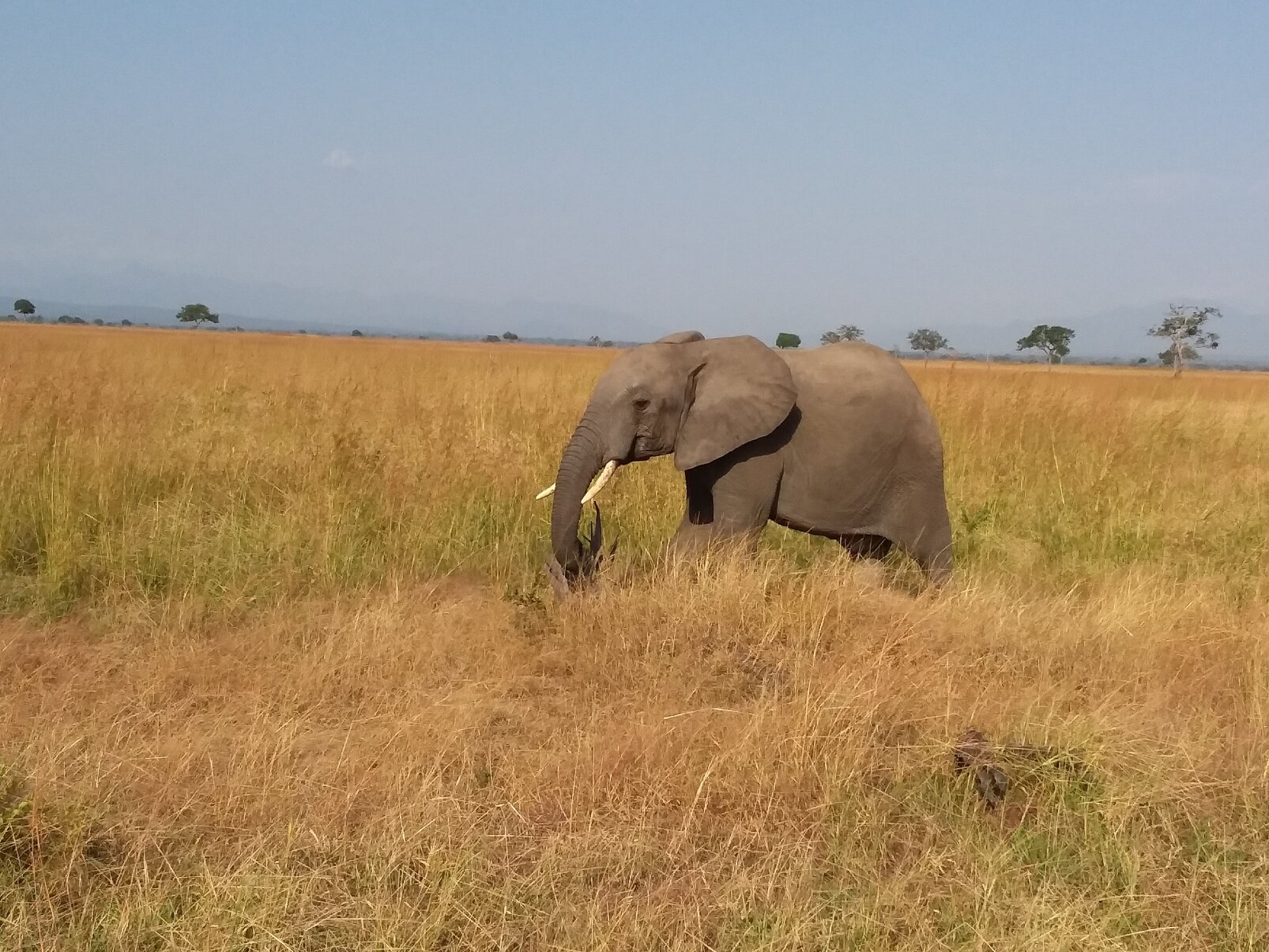
From about four the temperature falls and the plain wakes up. Grazers that spent the heat scattered begin drifting toward water with more purpose. Elephant come out of the riverine stands. Lion start stirring and the termite mound behaviour resumes.
Late afternoon also brings the best light of the day. The Rubeho plateau lies west of the park, rising to 2,286 metres at Mangalisa, and the sun goes down behind it, giving animals lit from the front against a darkening ridge.
Gates close at six, which caps the day. Guides on a full day usually work back toward the exit through the last hour rather than pushing further out.
By this point you will have been in the vehicle since before dawn, and the afternoon is where the physical cost of a full day shows.
Who a Full-Day Game Drive in Mikumi Suits
Photographers benefit most. Controlling how long you sit somewhere is worth more than any lens, and a full day removes the negotiation over whether to head back for lunch.
Birders benefit for the same reason, particularly anyone wanting to add miombo woodland species such as Boehm’s bee-eater and Dickinson’s kestrel to a list built on the floodplain. Mikumi has more than 400 recorded species across its habitats.
Anyone on a single night in the park benefits, because a full day is the only way to see a meaningful share of Mikumi in a short stay.
Families with young children usually do not. Ten hours in a vehicle with a hot quiet middle is hard on small children and on everyone travelling with them.
Full-day drive: first light to six with a packed lunch. Reaches the far loops and the miombo woodland, allows long waits at water, and costs a tiring middle few hours.
Morning plus afternoon: three to four hours from dawn, a rest at camp, then two to three hours from four. Easier going and the standard camp offering, with less range.
Full day plus night drive: the most complete picture of Mikumi in 24 hours, though the night drive runs eight until eleven after a long day and needs booking in advance.
What to Bring on a Full-Day Mikumi Safari
More water than you think, and drink it. Heat and dry air dehydrate people faster than they notice in a vehicle, and there is nowhere to buy anything inside the park.
Layers in neutral colours. A fleece for the first two hours, then a wide brimmed hat, sunglasses and high factor sunscreen for the rest. Dark blue and black attract tsetse fly in the woodland areas, and camouflage patterns are restricted in Tanzania.
Binoculars, spare camera batteries and memory cards, a blower brush for dust, and a bean bag rather than a tripod. Several camps run on solar power with limited charging, so arrive with everything full.
Insect repellent for the last hour, and a light waterproof between November and May when afternoon showers are likely.
Best Months for a Full-Day Game Drive in Mikumi
June to October is the dry season and the strongest window, with September and October the peak, when water is scarcest and grass shortest. Firm tracks also mean a full day covers more ground.
The middle of an October day is the hottest part of the dry season, so the quiet midday hours are quieter still. August is the compromise: firmly dry, cooler, and with clearer air toward the mountains.
From November to May, water lies everywhere and animals disperse, which arguably makes a full day more valuable rather than less, since finding things takes longer. March and April bring poor track conditions that slow every kilometre.
Booking a Full-Day Game Drive in Mikumi
Full days need arranging in advance so a packed lunch can be prepared, and not every operator offers them as standard. Camps inside the park such as Vuma Hills, Stanley’s Kopje and Mikumi Wildlife Camp will organise one on request.
Park entry runs 24 hours from the moment you clear the gate, so a full day sits inside a single ticket. Sleeping outside the boundary near Mikumi town means a fresh entry fee and a drive to the gate before the day starts.
The main gate is roughly 283 to 300 kilometres from Dar es Salaam, four to five hours by road via Morogoro. Gates open at first light and close at six.
Questions About Full-Day Game Drives in Mikumi
How long is a full-day game drive in Mikumi?
Ten to eleven hours, from gate opening at first light until the gates close at six in the evening, with a packed lunch taken in the park. The alternative is a morning drive of three to four hours and an afternoon drive of two to three, with a rest at camp between them.
Does a full-day game drive cost more in Mikumi?
Park entry is charged per person per day rather than per drive, so a full day sits inside one ticket at around US$30 per adult foreign non-resident and about US$10 for children aged 5 to 15, plus a vehicle fee near US$40 per day. Operators may charge more for the packed lunch and the longer vehicle and guide time, so confirm when booking.
Is a full day better than two shorter drives?
It depends what you want. A full day reaches the far loops and the miombo woodland where sable and greater kudu live, and lets you sit at a waterhole for an hour without watching the clock. Two shorter drives are easier going and give you a rest through the hot, quiet middle of the day.
Where do you stop for lunch on a full-day drive?
Usually the picnic area at the hippo pools, five kilometres north of the main gate, which has toilets, shade and a viewing area where you may leave the vehicle. Hippo are most active in the water at midday, so the timing works well. Keep food and bags secured, since baboons raid unattended tables.
Can I do a full-day drive on a day trip from Dar es Salaam?
No. The road transfer takes four to five hours each way, so a day trip from the coast arrives late morning and leaves mid afternoon. A genuine full day needs a night in or beside the park, and ideally one inside it so your entry keeps running overnight.
Is a full-day game drive suitable for children?
Usually not for young ones. Ten hours in a vehicle with a hot, quiet midday stretch is demanding, and there is nowhere to break the day other than the picnic sites. Families do better with a morning drive, a rest at camp and a shorter afternoon drive.
Booking Your Mikumi Trip
The safari companies and tour operators listed on this website put trips like this together for a living and know which camps, guides and routes actually deliver. We are an independent guide to Mikumi; we do not book or sell tours ourselves.
When you are ready, arrange your safari, tour or holiday with one of the recognised operators listed here. Tell them your dates and what matters most, and a real person, not a form, will handle the itinerary, park bookings and logistics for you.