Best Time to Visit Mikumi National Park
The best time for a Mikumi safari is the dry season from June to October, and late June onward in particular, when the grass thins, the seasonal water retreats and animals concentrate on the few remaining pools. September and October are the strongest weeks of the year for sheer numbers at water, while November to February suits birders far better. Mikumi National Park sits in Tanzania’s Morogoro region, four hours inland from Dar es Salaam, and its game viewing runs on how much water is lying on the Mkata Floodplain.
Below is how each stretch of the year actually plays out, including what improves and what gets harder.
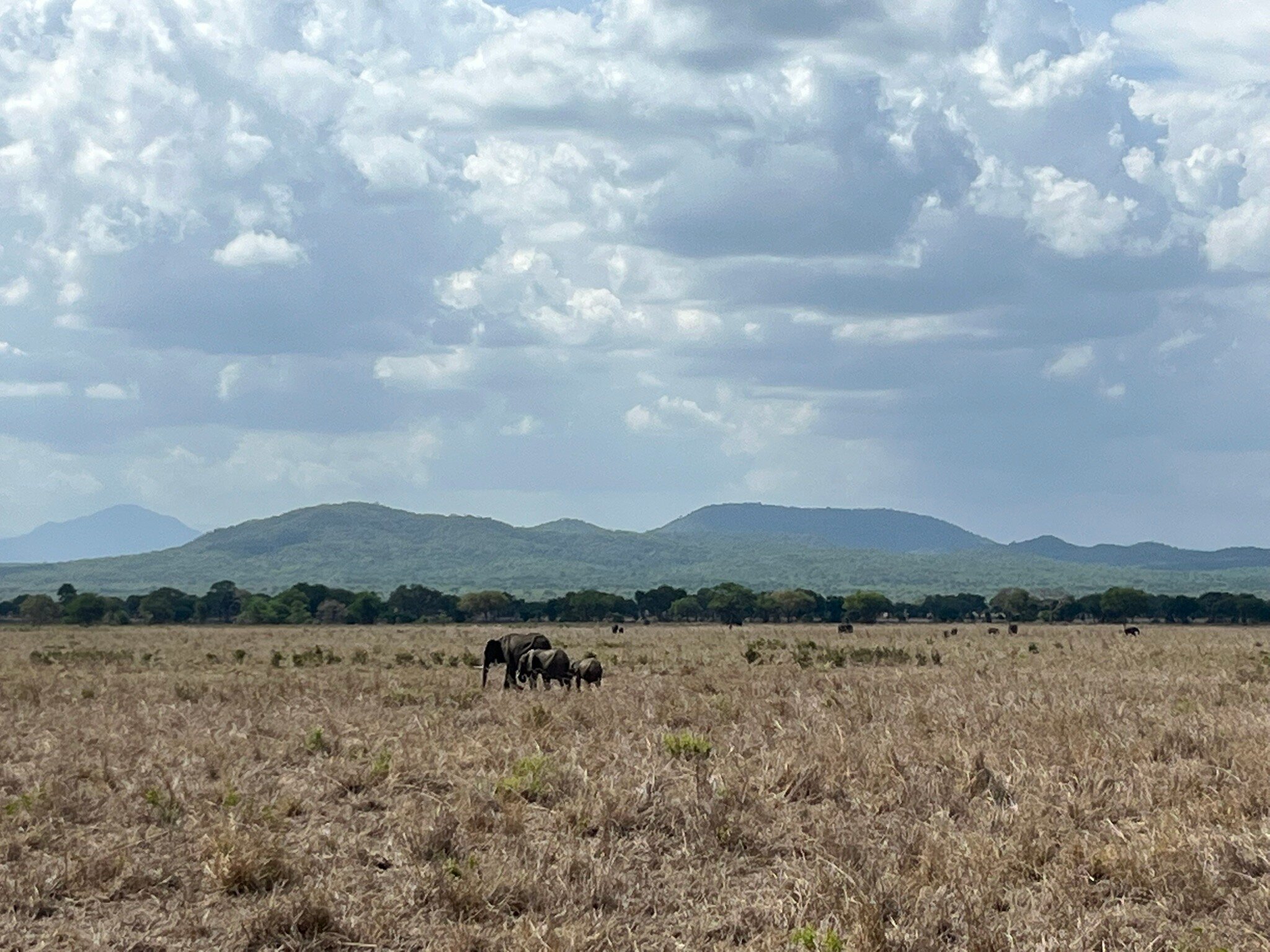
Best Months for a Mikumi Safari at a Glance
Mikumi is open all year and holds resident wildlife throughout, so there is no month that fails outright. What changes is how easily you see it.
Late June to October is the classic window: thin vegetation, firm tracks, concentrated game, cool mornings. September and October sit at the top of that. November and December bring short rains, green grass and migrant birds, with wildlife more scattered. January and February give a brief drier spell in some years. March to May carries the long rains, the wettest ground and the hardest driving.
Crowding barely enters the calculation. June to October is the park’s high season, but Mikumi never feels busy, and most visitors stick to the central floodplain circuit.
Pricing in Mikumi does not spike hard across the seasons the way it does in the northern circuit. That means timing your trip well is one of the few genuinely free upgrades available here. If your dates are flexible at all, take September or October.
Dry Season Safaris in Mikumi from June to October
June opens the long dry season and marks the start of the high season for Mikumi game drives. The grass that grew through the rains starts to lie down and brown off, visibility improves week by week, and the seasonal channels of the Mkata River begin retreating.
These are the coolest months of the year in the park. Temperatures run between about 15 and 30 degrees, with clear skies and very little rain. Mornings in June and July can feel genuinely cold in an open vehicle before the sun gets up, and cold enough in the foothills to justify a fleece.
July and August continue the drying. Tracks across the black cotton soil of the floodplain firm up completely, which opens loops of the 60 kilometre circuit that are difficult at other times. Herds start gathering more predictably at the named waterholes and the hippo pools.
Sightings through this period are commonly good rather than guaranteed. Elephant, buffalo, zebra, giraffe, impala and eland are the reliable cast.
Peak Game Viewing in September and October on the Mkata Floodplain
September and October are the two months guides point at when asked directly. Water has been shrinking for months by then, and what remains pulls in large herds daily. Buffalo can gather in groups running into the hundreds. Elephant come to drink mid-morning and stay.
Grass is at its shortest, which matters more than people expect. Lion on the Mkata Floodplain use the flattened tops of termite mounds as lookouts over the herds, and with the grass down they are far easier to pick out. Sightings are regular through these weeks, though never certain on a given drive.
October brings rising heat as the year turns toward the rains. It is the hottest stretch of the dry season and the dustiest, with haze that softens the mountain backdrop by mid-morning.
If you have one week to spend in Mikumi and complete freedom over when, this is it.
The park does not get more animals in September. It gets fewer places for them to drink, which amounts to the same thing from a vehicle seat.
Short Rains and Green Season Safaris from November to February
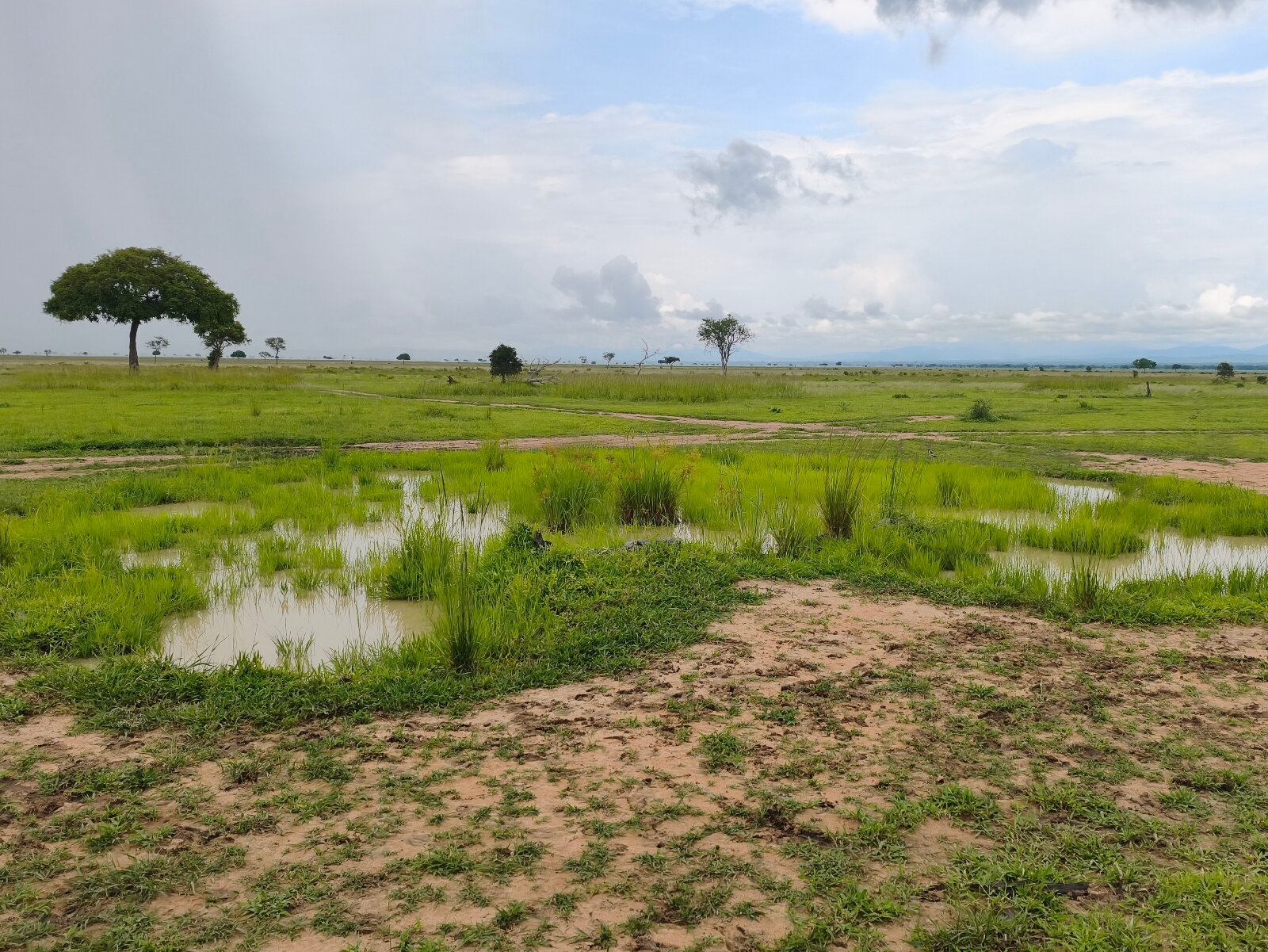
November brings the short rains, usually as brief afternoon showers rather than day-long downpours, and the plain greens up within a fortnight. December continues the pattern. The country looks completely different from October: tall green grass, standing water in shallow pans, calves appearing.
Wildlife viewing gets harder, not because animals leave but because they stop needing to come to any particular place. Water is available everywhere, so the concentration that makes the dry season work simply dissolves. Grass grows past a metre in places, which hides everything smaller than a giraffe.
January and February often deliver a shorter drier spell, and conditions can be surprisingly good in those weeks. It varies year to year and nobody can promise it.
Heat and humidity build through this period, with the closing months of the year the most uncomfortable of the twelve. Expect low thirties and sticky air.
Long Rains and Low Season Safaris from March to May
March and April are the peak of the long rains and the wettest weeks in Mikumi. Black cotton soil on parts of the floodplain circuit becomes slick and some tracks are impassable. Stanley’s Kopje, out on the plain, closes for the season because its access track cannot be relied on, while Vuma Hills in the hills stays open year round.
Grass is at its tallest, animals are at their most dispersed and the driving is at its hardest. This is the low season and the park sees very few visitors.
May is the turn. Rain begins easing, and while the grass is still long, visibility starts coming back and drives get more manageable. Animals move around the park as conditions change. Resident birds finish breeding and migrants gather before heading north. It is a genuinely interesting transitional month for anyone who does not need guaranteed conditions.
Accommodation pricing barely differs in these months, and with limited lodging open anyway, the low season saves less money here than the label suggests.
June to October, dry: the strongest game viewing of the year. Thin grass, firm tracks, animals concentrated at the last water, coolest temperatures. September and October are the peak.
November to February, short rains: green plains, calving, migrant birds in numbers. Hot and humid, game dispersed and harder to spot. Best months for a birding trip.
March to May, long rains: heaviest rainfall, tallest grass, poorest access. Some camps close. Fewest visitors of the year, with May improving as the rain eases.
Best Time for Birdwatching Safaris in Mikumi
Birding runs on the opposite calendar to mammal viewing. Mikumi has more than 400 recorded species, and the numbers peak from November through April when European and North African migrants arrive.
Residents are also at their best then. Breeding plumage, active nesting and full song make identification easier, and the green cover that hides mammals does very little to hide birds sitting on top of it. Blacksmith plovers, cattle egrets, herons and fish eagles are all mentioned repeatedly in accounts of the wet season here.
The waterholes and the hippo pools hold the water birds year round: open-billed and yellow-billed stork, saddle-billed stork, hamerkop, malachite kingfisher. Out on the grass, lilac-breasted roller, yellow-throated longclaw, black-bellied bustard and secretary bird are on the list in every month.
December through February is the sweet spot for a dedicated Mikumi birdwatching safari, since it combines full migrant numbers with better access than March or April.
Best Time for Lion and Predator Tracking in Mikumi
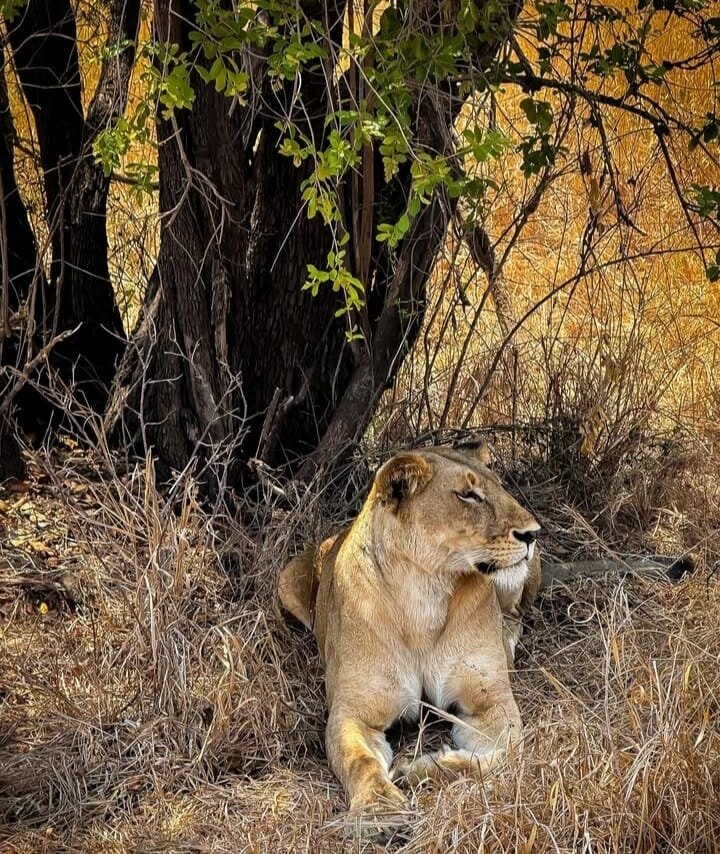
Predator viewing follows the grass. Late in the dry season, when the plain is shortest and prey is concentrated at water, lion are easiest to find and most predictable in where they wait. September and October are the strongest weeks.
During the rains, when grass grows past a metre, lion in Mikumi have been recorded resting in trees, which is one of the park’s more talked about behaviours. It happens often enough to be worth asking about and rarely enough that nobody should plan around it.
Spotted hyena turn up on early drives in any season. Leopard are present, favouring acacia and sausage trees along the river, and are genuinely rare to see at any time of year. African wild dog range through the wider Selous ecosystem and pass through occasionally.
Night game drives, permitted in Mikumi with an armed ranger, run better in the dry months when tracks hold up.
Best Time of Day for a Mikumi Game Drive
Season sets the odds, but time of day sets the day. Gates open at first light and the first two hours are the most productive of the twenty four: cool air, predators still moving, best light on the grass and the clearest views toward the Uluguru and Rubeho ranges before haze builds.
Mid-morning is when elephant and buffalo most often come to drink, so a slow circuit reaching the waterholes around nine or ten frequently beats one that rushes there at dawn and leaves. Hippo are the exception, since they are in the water through the middle of the day and out grazing at night.
Afternoons pick up again from about four as temperatures drop. Gates close at six, which caps the evening. Night drives run separately, roughly eight until eleven, and need booking ahead.
Getting to Mikumi and Where to Stay Through the Seasons
Mikumi’s main gate sits on the Tanzam highway 280 to 300 kilometres from Dar es Salaam, four to five hours by road via Morogoro. Because the route is surfaced the whole way, access to the park itself is reliable in every month. What varies is the condition of tracks once you are inside.
Vuma Hills Tented Camp stays open all year. Stanley’s Kopje on the floodplain closes through the wettest months. Mikumi Wildlife Camp near park headquarters sits close to the highway and stays reachable. Lodges in Mikumi town outside the boundary operate year round and are the fallback when in-park access is poor.
Kikoboga airstrip inside the park handles light aircraft from Dar es Salaam, Zanzibar, Nyerere and Ruaha.
Questions About When to Visit Mikumi
What is the single best month to visit Mikumi National Park?
September or October, at the tail of the long dry season, when water is scarcest and animals gather at the remaining pools in the largest numbers. Grass is at its shortest, which improves both spotting and photography.
Do park fees change with the season in Mikumi?
The TANAPA tariff for Mikumi does not run peak and low season rates the way some parks do. Adult foreign non-residents currently pay around US$30 per person per day and children aged 5 to 15 about US$10, with lower rates for Tanzanian residents and East African citizens. Vehicle fees run roughly US$40 per day for a six to twelve seat safari vehicle and around US$10 for a private car. Fees are reviewed annually, so confirm before travelling.
Is it worth visiting Mikumi in the rainy season?
For birding, yes, particularly December through February when migrants are present and residents are breeding. For general game viewing it is harder work, with tall grass and dispersed animals. March and April bring the worst access, with some tracks impassable and at least one in-park camp closed for the season.
How hot does Mikumi get?
The dry season from June to October runs roughly 15 to 30 degrees and is the coolest part of the year, with genuinely cold early mornings in June and July. The wet season is humid and hot, frequently reaching the low thirties, with the closing months of the year the most uncomfortable.
How far ahead should I book a Mikumi safari?
For dry season dates, several months is sensible, since the park has limited accommodation and the good in-park camps are small. Vuma Hills has sixteen tents and Stanley’s Kopje twelve. Outside the peak months you can often book much closer to travel.
Can I visit Mikumi as a day trip in any season?
Yes. The highway is surfaced the whole way from Dar es Salaam, so reaching the park is reliable year round. A day trip means leaving around five in the morning for a few hours of park time. One night gets you the dawn start, which is worth more than the extra hours of daylight a day trip buys.
Booking Your Mikumi Trip
The safari companies and tour operators listed on this website put trips like this together for a living and know which camps, guides and routes actually deliver. We are an independent guide to Mikumi; we do not book or sell tours ourselves.
When you are ready, arrange your safari, tour or holiday with one of the recognised operators listed here. Tell them your dates and what matters most, and a real person, not a form, will handle the itinerary, park bookings and logistics for you.