Vuma Hills
The Vuma Hills are the miombo-covered rise in the southwestern corner of Mikumi National Park, and they hold both the park’s best woodland game viewing and its longest running tented camp. A Vuma Hills safari means slower, denser country than the open floodplain below, with sable antelope and greater kudu as the species people come for. Mikumi sits in Tanzania’s Morogoro region, roughly four hours inland from Dar es Salaam, with the hills rising south and west of the Tanzam highway.
What follows covers the hills as a game viewing area, the camp that sits on them, and how the two seasons change what you see up there.
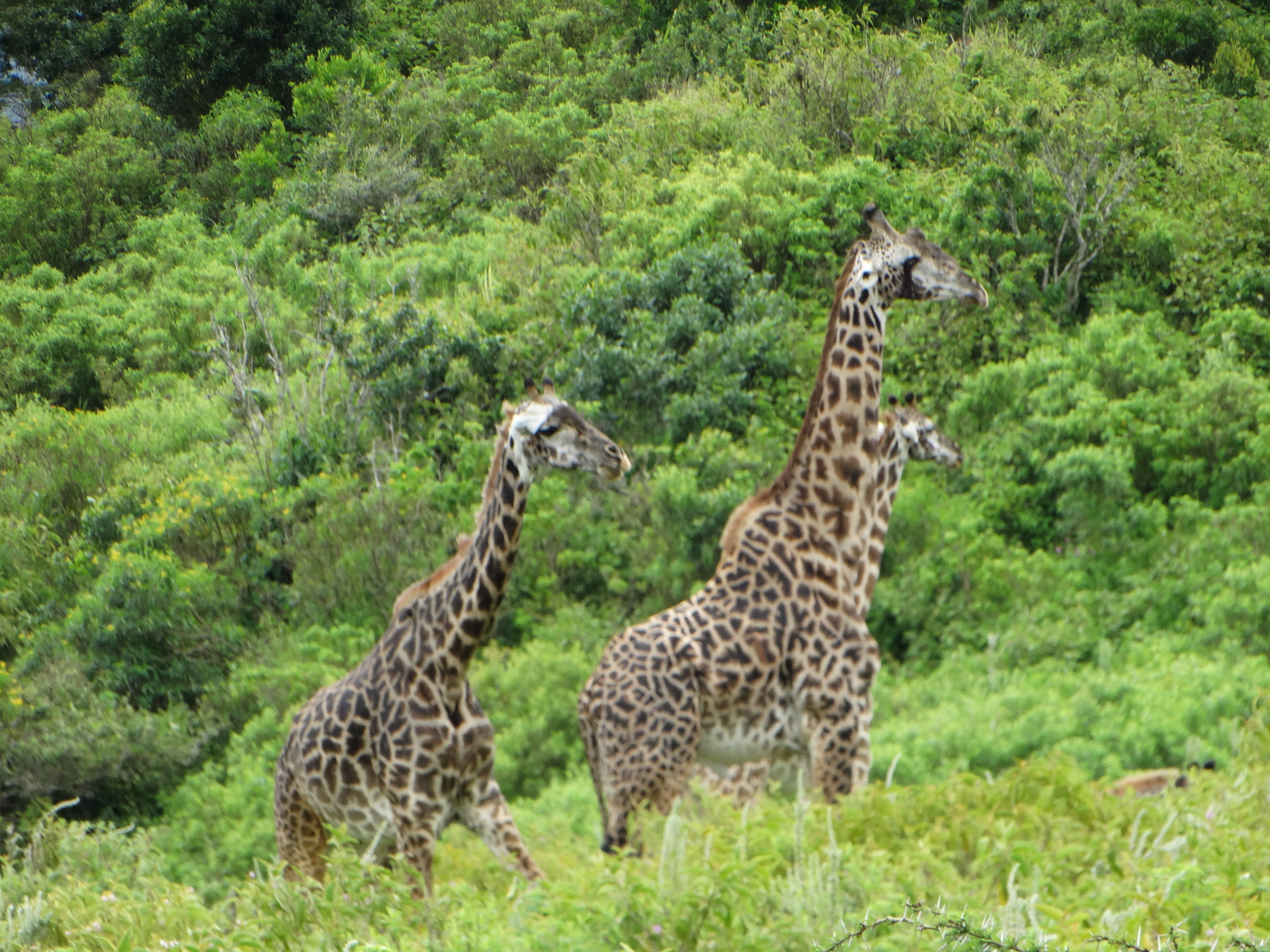
Where the Vuma Hills Sit Inside Mikumi National Park
Mikumi is split by the highway. North and east of it lies the Mkata Floodplain, flat and open, where most of the park’s game drives happen. South and west the ground begins to lift, and the Vuma Hills are the first proper elevation on that side.
The change is not just topographic. Grass gives way to miombo woodland, dominated by brachystegia, with a canopy that closes overhead in places and a floor of leaf litter rather than open turf. It is quieter country. Sightlines shorten, animals are harder to spot, and drives here reward patience over distance covered.
The name comes from Kiswahili. Vuma refers to a rumour carried on the wind, which suits a place that sits above everything and hears it first.
Do not treat the Vuma Hills as a substitute for the floodplain. Treat them as the other half of the park. A good two night Mikumi safari does open plains at dawn and woodland later, because the species lists barely overlap.
Vuma Hills Tented Camp Safari Accommodation
Vuma Hills Tented Camp is perched above the treeline with sixteen tents on raised wooden decks, sheltered by makuti thatch, looking out across the plains below. It is unfenced, which means wildlife moves through, and it is one of only a handful of properties actually inside Mikumi National Park.
The camp stays open year round, which sets it apart from Stanley’s Kopje on the floodplain, a sister property that closes through the wettest months because the access track becomes impassable. Tents are en suite, elegantly done without being showy, and there is a pool.
What people tend to remember is the elevation. Being above the canopy on a hillside changes the evening entirely, since you sit with a view over grassland rather than a wall of bush. Rates start around US$150 per person per night full board, with game drive packages higher.
Mikumi has no true luxury properties in the international sense. Vuma Hills sits comfortably at the top of what the park offers, which is midrange comfort in a genuinely wild setting.
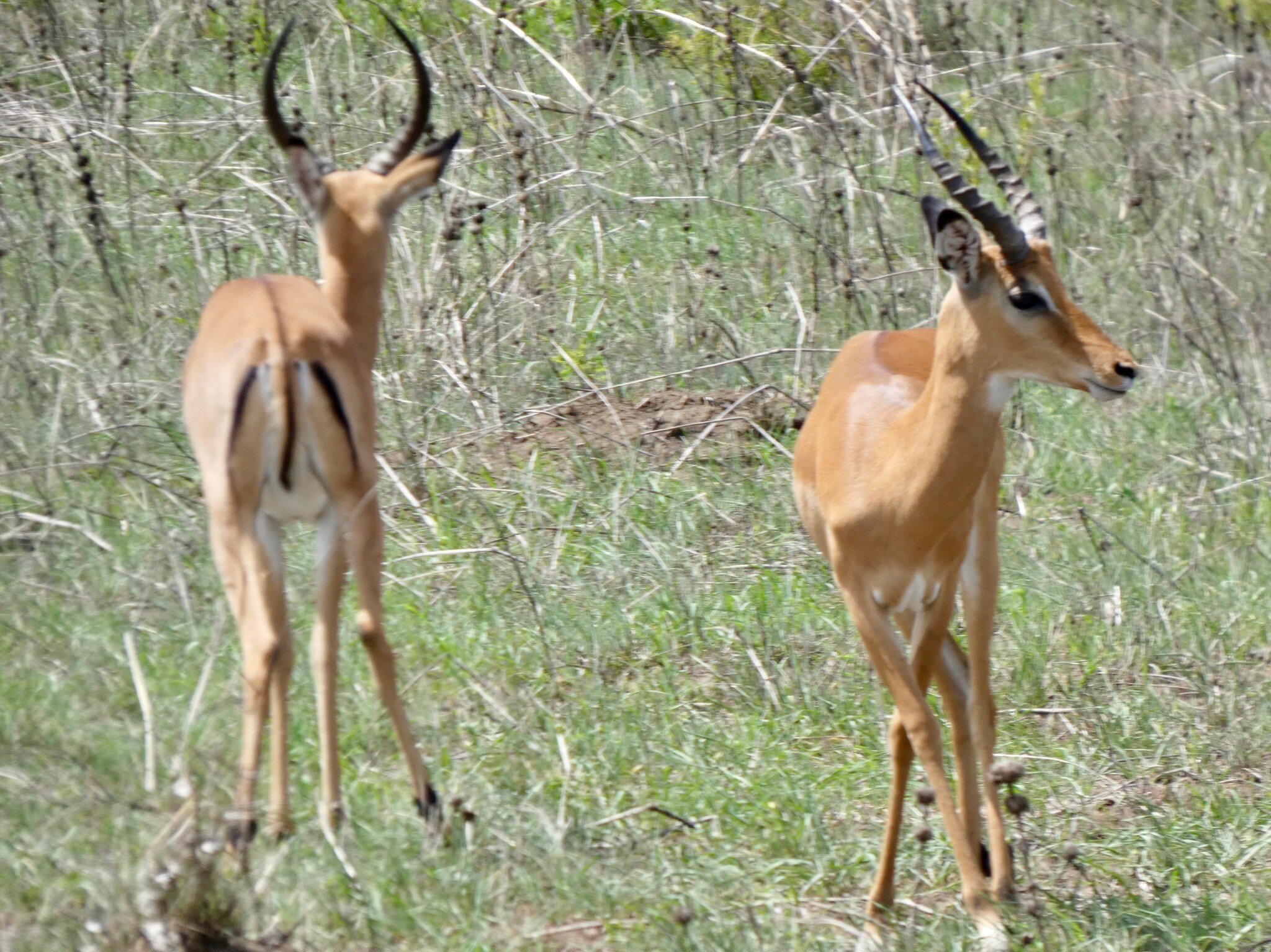
Miombo Woodland Game Drives in the Vuma Hills
A Vuma Hills game drive works differently from one on the floodplain. Miombo woodland holds fewer animals per square kilometre than open grassland, and it hides the ones it has. Nobody drives up here for volume.
They drive up for composition. The trees change colour with the season, flushing red and copper in the weeks before the rains, and the light through a brachystegia canopy is worth the trip on its own. Elephant use the woodland edge. Buffalo shelter in it through the heat.
Tracks in the hills are rougher than the graded circuit below, and after rain they deteriorate quickly. Four wheel drive is not optional here in the wet months. Distances feel longer than they are because speeds stay low.
Sable Antelope and Greater Kudu Tracking in the Vuma Hills
The miombo foothills around the Vuma Hills are the reliable place in Mikumi for sable antelope and greater kudu, and both are the reason serious wildlife watchers come to this side of the park at all.
Sable are the draw. A mature bull carries backswept horns close to a metre long, jet black flanks and a white face mask, and the species has a habit of standing its ground rather than fleeing. They favour miombo and are seldom seen out on the open plain, which is why floodplain-only itineraries miss them entirely.
Greater kudu use the same country, browsing in the thicker cover, and the bulls carry the spiralled horns that make them one of Africa’s most recognisable antelope. They are shy and slip away quietly, so sightings are more common in the early morning before the day warms.
Lichtenstein’s hartebeest turn up at the woodland edge where it meets grass. Both sable and kudu are described consistently across sources as present here rather than abundant, and a morning drive may produce neither.
Sable and kudu are woodland animals. If your Mikumi itinerary never leaves the floodplain, you will not see them, and no amount of luck on the plains will change that.
Birdwatching Safaris in the Vuma Hills Woodland
Miombo carries its own bird community, distinct from anything on the plain, and the southwestern side of Mikumi is where birdwatching safaris get interesting for anyone building a serious list. Mikumi has over 400 recorded species across all habitats, and the woodland specialists sit almost entirely up here.
Look for Boehm’s bee-eater, Dickinson’s kestrel, various hornbills including ground hornbill on the woodland fringe, and mixed feeding parties moving through the canopy. Bateleur eagle quarter overhead. Raptors do well over the transition zone where trees meet grassland.
The wet months from November to April bring European and North African migrants and push numbers up considerably. Birding is often cited as the reason to visit Mikumi in the months when mammal viewing is at its weakest.
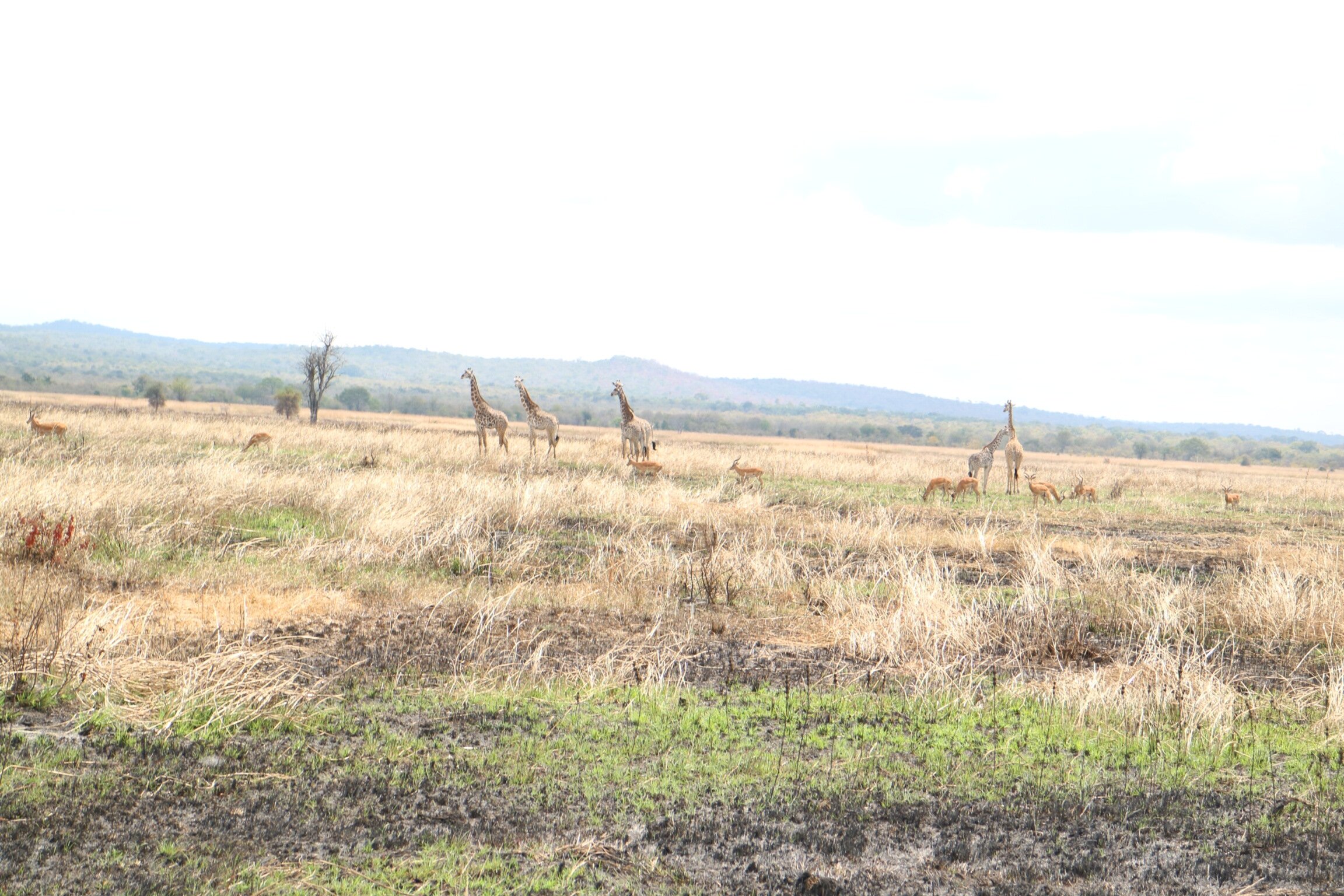
Views Over the Mkata Floodplain from the Vuma Hills
The single best thing about the hills has nothing to do with animals. From the ridge, the whole Mkata Floodplain lies out below, with the Uluguru Mountains rising beyond it to the northeast and the Rubeho range to the west. On a clear evening the mountains catch the last light while the plain goes flat and grey.
Mikumi sits in a basin partly ringed by mountains, and the Vuma Hills are the one accessible place to see that geography as geography rather than as a backdrop. Photographers should plan for the hour before sunset.
Sundowners are usually taken up here for that reason.
Night Game Drives and Walking Safaris from the Vuma Hills
Mikumi is one of the parks where TANAPA permits night game drives, and camps in the hills can arrange them. They run roughly between eight and eleven in the evening, require an armed ranger and a vehicle fitted for the purpose, and turn up species the day never shows: genet, civet, bushbaby, occasionally a hunting leopard. Booking ahead is required and there is a per person charge on top of park fees.
Guided walking safaris also run in Mikumi with an armed ranger, typically three to four hours in the early morning. They focus on tracks, dung, feeding sign and plant use rather than big animals, and they are a different sort of morning entirely.
Neither is guaranteed to be available on a given date. Both are worth asking about at booking rather than on arrival.
Best Time for a Vuma Hills Safari
June to October is the dry season and the strongest window for game viewing across Mikumi, including the hills. Grass thins, water concentrates, and the woodland tracks are firm. September and October bring the largest gatherings at water down on the plain.
November to February is green and hot, with short rains, migrant birds and the miombo in leaf. March to May carries the long rains, when the hill tracks suffer most and some in-park properties close. Vuma Hills Tented Camp itself stays open, though access to parts of the park is limited in those months.
June to October, dry: firm tracks, best all round game viewing, coolest temperatures of the year, and the clearest views from the ridge over the floodplain.
November to February, short rains: woodland in full leaf, migrant birds arriving, hot and humid. Strong birding, harder mammal spotting in the hills.
March to May, long rains: heaviest rainfall, poor track conditions in the hills, fewest visitors. Some camps in the park close for the season.
Getting to the Vuma Hills from Dar es Salaam
Mikumi’s main gate sits on the Tanzam highway roughly 280 to 300 kilometres from Dar es Salaam, four to five hours by road through Morogoro on tarmac. The hills lie south and west of the highway, so reaching camp adds a further stretch of park track past the gate.
Kikoboga airstrip inside the park takes light aircraft, with Safari Air Link running connections from Dar es Salaam, Zanzibar, Nyerere and Ruaha. Flying cuts hours off the day and costs several times a road transfer.
Onward, Udzungwa Mountains National Park is a short drive southwest and Ruaha is roughly six hours further along the same road, which is why many people fold Mikumi into a longer southern circuit rather than treating it as a standalone stop.
Questions About Visiting the Vuma Hills
How much does it cost to stay at Vuma Hills Tented Camp?
Tents start around US$150 per person per night on a full board basis, with packages that include accommodation, meals and two game drives running from roughly US$250 per person per night. Park entry is charged separately, currently around US$30 per adult foreign non-resident per day, plus a vehicle fee of about US$40 per day for a safari vehicle. Confirm current rates directly, since camp pricing is reviewed regularly.
Is Vuma Hills Tented Camp open all year?
Yes. It stays open through the wet season, which distinguishes it from Stanley’s Kopje on the floodplain, a camp that closes during the wettest months because of access difficulty. Access to some parts of Mikumi is still limited from March to May regardless of where you sleep.
What animals will I see in the Vuma Hills that I will not see on the floodplain?
Sable antelope and greater kudu are the two species most associated with the miombo woodland here and are seldom seen out on the open grass. Lichtenstein’s hartebeest use the woodland edge. Elephant and buffalo move between both zones. Sightings of sable and kudu are regular but not certain, and both are shyer than plains game.
Can I do a night game drive from the Vuma Hills?
Yes, subject to advance booking. Night drives in Mikumi run roughly eight until eleven in the evening with an armed ranger and a suitably equipped vehicle. TANAPA charges a per person fee, commonly around US$59 in the parks where night drives are permitted, with an additional vehicle charge of roughly US$50 if you use your own car.
Do I need a four wheel drive for the Vuma Hills?
In the dry season a high clearance vehicle handles most of it. From November onwards, and especially in March and April, four wheel drive becomes necessary on the hill tracks. Conditions deteriorate faster up here than on the graded floodplain circuit.
How long should I spend in the Vuma Hills?
One full day in the hills fits comfortably into a two night Mikumi safari, with the rest of the time given to the floodplain. Three nights lets you work the woodland properly across two mornings, which improves the odds on sable and kudu considerably.
Booking Your Mikumi Trip
The safari companies and tour operators listed on this website put trips like this together for a living and know which camps, guides and routes actually deliver. We are an independent guide to Mikumi; we do not book or sell tours ourselves.
When you are ready, arrange your safari, tour or holiday with one of the recognised operators listed here. Tell them your dates and what matters most, and a real person, not a form, will handle the itinerary, park bookings and logistics for you.