Guided Walking Safari in Mikumi National Park
A guided walking safari in Mikumi National Park goes out on foot with an armed ranger, lasts three to four hours in the early morning, and runs mostly along the Mkata River corridor or around the hippo pools. Mikumi is one of the few parks on Tanzania’s southern circuit where walking is permitted, and the focus is tracks, dung, feeding sign, plants and birds rather than moving in on large animals. Charges run around US$20 for a short walk and US$25 for a longer one, on top of park entry.
Below is what a walk actually involves, what you learn, and who it suits.
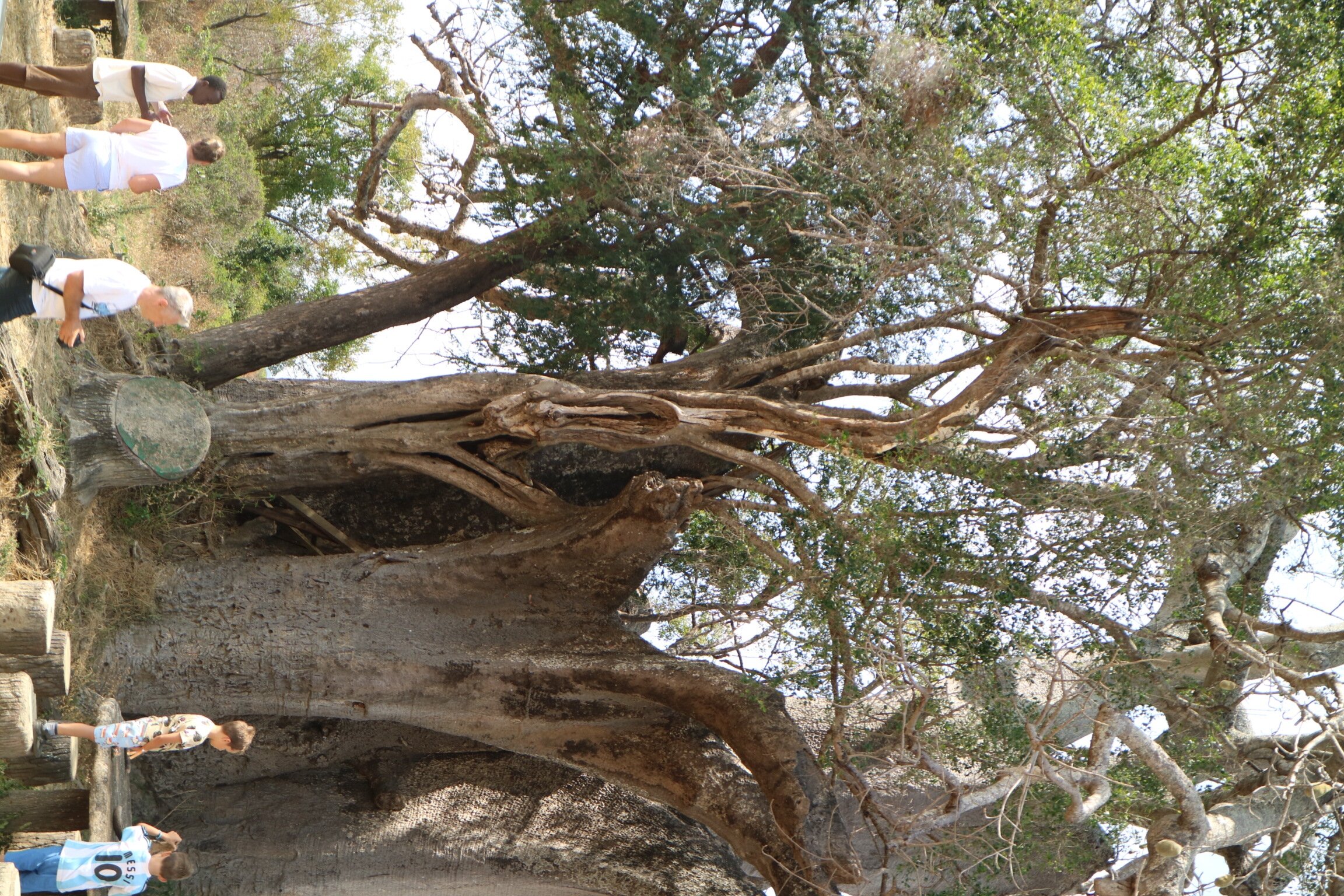
Why Walking Safaris Are Permitted in Mikumi
Most visitors to Tanzania never leave a vehicle. Walking is restricted across much of the national park system, and Mikumi being one of the few southern circuit parks where guided walks run is a genuine point of difference.
Every walk goes out with a TANAPA approved armed ranger. That is a legal requirement rather than a formality, and it shapes how the activity works: small groups, defined routes, and a ranger whose job is safety rather than commentary.
Walks are usually capped at around six people, which is part of why they cost what they do and why they need booking in advance rather than arranging at the gate.
The activity exists because parts of Mikumi lend themselves to it. The river corridor and the ground near the pools have enough cover and detail to make an hour on foot interesting, which open floodplain does not.
A walking safari occupies the same early morning slot as your best game drive, and both are three to four hours. On a two night stay you are choosing between them rather than fitting both, which is one of the better arguments for a third night.
What Happens on a Mikumi Walking Safari
Departure is early, usually just after first light, when temperatures are lowest and animals most active. Coffee at camp beforehand, then a short drive to the starting point.
The ranger briefs you before you set off: walk in single file, stay behind him, keep quiet, and do exactly what he says without discussion if something happens. That briefing is not theatre.
Pace is slow. A three hour walk covers surprisingly little ground, because the point is to stop constantly rather than to get anywhere. Guides read tracks in the dust, point out feeding sign on branches, identify dung and explain what it tells them.
You return mid-morning, before the heat builds, usually to a late breakfast at camp.
What You Learn on a Guided Walk in Mikumi
The subject matter is deliberately small scale, and that is what makes it worth doing after a day of game drives.
Track identification comes first. Which animal crossed here, roughly when, in which direction and at what pace. Leopard prints are rounder and smaller than lion and show no claw marks; hyena show claws and a distinct asymmetry.
Then feeding sign: branches stripped by elephant, bark rubbed smooth, grass cropped at different heights by different grazers. Dung tells you diet, freshness and often species.
Guides explain bush survival skills used by local trackers, and which plants have food or medicinal uses. Birds come into it constantly, since you hear calls on foot that engine noise masks entirely.
Insects, spiders and the smaller life of the park get attention they never receive from a vehicle.
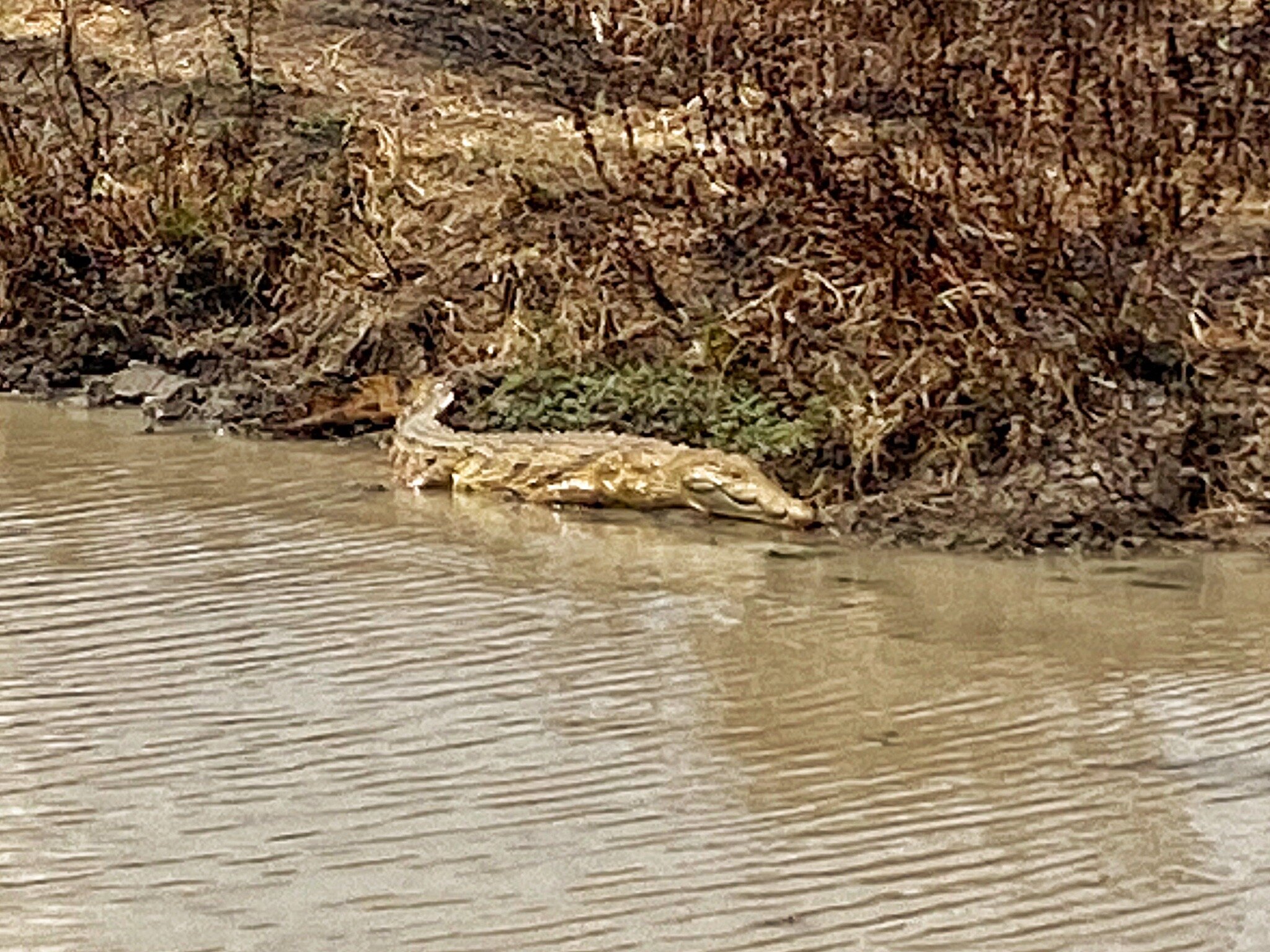
Where Walking Safaris Run in Mikumi
Walks usually take place near the Mkata River corridor or around the hippo pools, where denser vegetation supports birdlife and smaller mammals and there is more detail to read on the ground.
The riverine strip is a narrow band of acacia and tamarind fringing the channels. It holds more small birds than anywhere else in the park, and it is where leopard lie up, though rangers keep a wide margin from anything dangerous.
Walks do not go to the water’s edge at the hippo pools. Hippo paths leading away from the water are a standard feature of these walks precisely because you read them from a safe distance.
Some camps run walks in their own surroundings. Stanley’s Kopje lists walking safaris among its activities alongside game drives, birding and excursions to the Udzungwa Mountains.
A walk in Mikumi is not a way to get closer to elephants. It is a way to spend three hours learning to read a place you have been driving through without noticing.
Safety on a Mikumi Walking Safari
The armed ranger sets the terms and it is worth knowing why the rules exist.
Walk in single file behind the ranger. Stay quiet, since sound travels and a group that announces itself sees nothing and startles what it does meet. Do not wander for a photograph.
Rangers deliberately keep a wide margin from elephant, buffalo and hippo. Hippo in particular kill more people across Africa each year than most predators do, almost always because somebody ended up between an animal and its water.
Walks are usually routed through areas where dangerous predators are not currently active. That is a planning decision made on the morning based on what rangers know, which is another reason routes are not fixed.
If something does happen, the instruction is almost always to stand still rather than run. Running triggers pursuit.
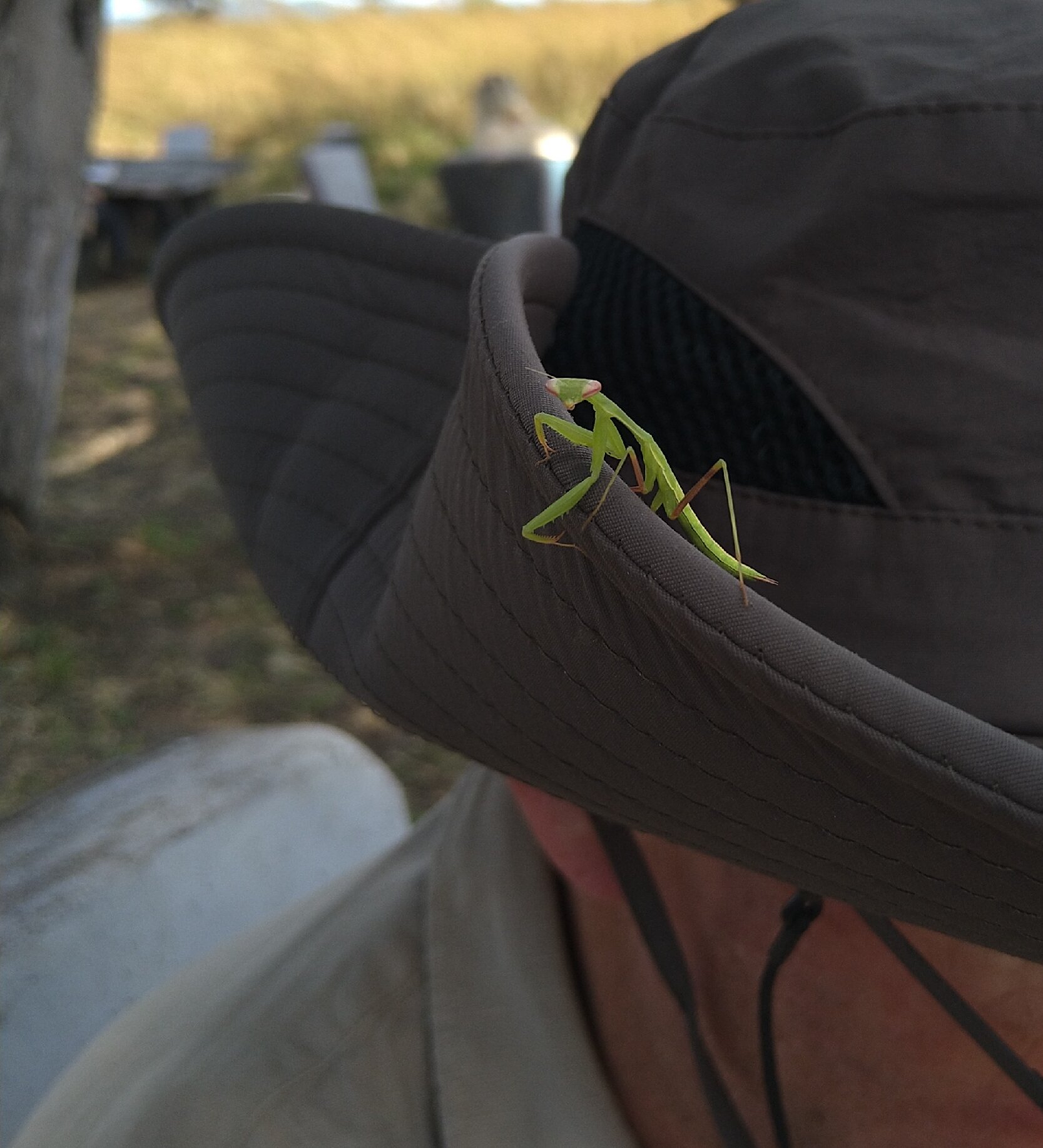
What to Wear and Bring on a Walking Safari
Closed walking shoes or light boots with ankle support. Ground is uneven and thorny, and grass seeds work into low socks relentlessly. Sandals are for camp.
Neutral colours: khaki, olive, tan, soft grey. Dark blue and black attract tsetse fly in the woodland areas, bright white shows dust and camouflage patterns are restricted in Tanzania.
Long sleeves and trousers for sun, thorns and insects. A wide brimmed hat, sunglasses and high factor sunscreen, since the first hour is cool and the last is not.
Water, binoculars, insect repellent and a camera you can carry hands-free. Leave the big lens behind; a walk is about small things and you will not want to carry it for three hours.
Best Season for Walking Safaris in Mikumi
The dry season from June to October works best. Ground is firm, grass is short enough to see through, tracks hold well in the dust and mornings are the coolest of the year.
September and October are strongest for what you will find, since animals concentrate near the remaining water and sign is abundant around it.
From November to May, grass grows past a metre, which makes walking harder and reduces visibility considerably. Wet ground also obscures tracks. Walks still run, and birding on foot improves as migrants arrive, but the going is heavier.
June to October: the best walking conditions. Firm ground, short grass, clear tracks in the dust and cool early mornings. September and October give the most sign near water.
November to February: hot, humid and green, with grass rising. Birding on foot improves as migrants arrive, and the going gets heavier.
March to May: wettest and hardest. Grass over a metre, obscured tracks and difficult access to the starting points.
Who a Walking Safari in Mikumi Suits
Anyone who has done several game drives and wants something different. The contrast is the point, and a walk usually lands better on a second or third day than a first.
Birders benefit disproportionately, since hearing is most of birding and a vehicle removes it.
Reasonable fitness is needed rather than anything athletic. Three to four hours at slow pace over uneven ground in heat is the demand. Walks are not suitable for young children, and minimum ages vary, so check when booking.
Anyone hoping to get close to big animals on foot will be disappointed, and should be.
Booking a Walking Safari in Mikumi
Advance booking is required, since both the armed ranger and the group slot have to be arranged. It cannot be added at the gate.
Camps inside the park arrange them, including Stanley’s Kopje and Vuma Hills, and lodges outside the boundary can usually organise one through the park. Groups are typically capped around six.
Park entry applies separately, and the walk fee sits on top. The main gate is roughly 283 to 300 kilometres from Dar es Salaam, four to five hours by road via Morogoro, with gates opening at first light.
Questions About Walking Safaris in Mikumi
How much does a walking safari in Mikumi cost?
Around US$20 per person for a short walk of one to four hours and about US$25 for a longer one, charged on top of park entry. Some operators quote a group rate of roughly US$20 to US$40 for a party of up to six foreign visitors. Park entry is separately around US$30 per adult foreign non-resident per day.
How long is a walking safari in Mikumi?
Three to four hours, usually starting just after first light and returning mid-morning before the heat builds. Longer walks above four hours are charged at a higher rate. Distance covered is short, since the pace is slow and the point is to stop frequently.
Is a walking safari in Mikumi safe?
Every walk goes out with a TANAPA approved armed ranger, which is a legal requirement. Rangers keep a deliberate margin from elephant, buffalo and hippo, and routes are chosen based on where dangerous animals are currently active. Walk in single file, stay quiet and follow instructions without discussion.
Will I see big animals on a walking safari?
Not close up, and that is by design. Walks focus on tracks, dung, feeding sign, plants, birds and smaller life rather than moving in on large animals. You may see game at a distance. Anyone wanting to get close to elephant or buffalo should stay in a vehicle.
Where do walking safaris take place in Mikumi?
Mostly along the Mkata River corridor or around the hippo pools, where denser vegetation supports birdlife and smaller mammals and there is more ground sign to read. Walks do not go to the water’s edge at the pools. Routes are decided on the morning based on conditions.
Can children go on a walking safari in Mikumi?
Minimum ages apply and vary, so check when booking. Three to four hours at slow pace over uneven ground in heat is demanding for young children, and the activity depends on everyone following instructions immediately. Families with small children usually do better on game drives.
Booking Your Mikumi Trip
The safari companies and tour operators listed on this website put trips like this together for a living and know which camps, guides and routes actually deliver. We are an independent guide to Mikumi; we do not book or sell tours ourselves.
When you are ready, arrange your safari, tour or holiday with one of the recognised operators listed here. Tell them your dates and what matters most, and a real person, not a form, will handle the itinerary, park bookings and logistics for you.