What Conservation Efforts Are Taking Place in Mikumi?
Conservation in Mikumi National Park centres on anti-poaching patrols by TANAPA rangers, community revenue sharing with neighbouring villages, aerial wildlife censuses across the wider Nyerere and Selous ecosystem, mitigation of wildlife deaths on the highway that crosses the park, and long-standing plans to reintroduce black rhino. A Mikumi safari funds part of this directly through park fees. Mikumi covers 3,230 square kilometres in Tanzania’s Morogoro region and acts as a corridor between Nyerere National Park and the Udzungwa Mountains.
Below is what each of those efforts involves and where the pressure points still sit.
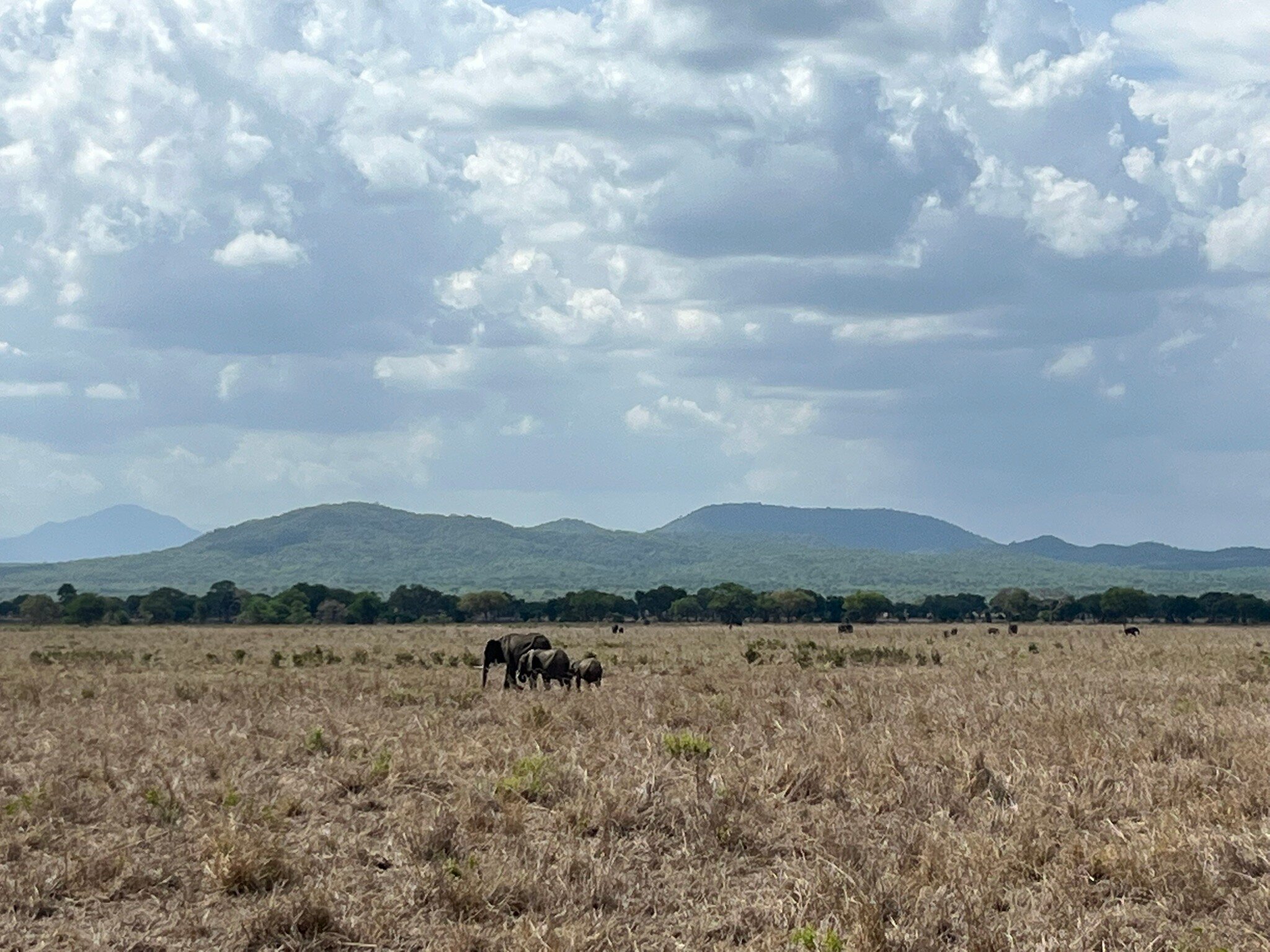
Anti-Poaching Work in Mikumi National Park
Mikumi is managed by the Tanzania National Parks Authority, which runs ranger patrols and anti-poaching units equipped with vehicles, motorcycles and surveillance tools across its protected areas.
That work intensified during the international ivory poaching crisis of the 1980s, which hit Tanzania hard. The park itself was gazetted in 1964, with TANAPA established a few years earlier to oversee the national park system.
Park staff describe the range of wildlife products taken by poachers as including bush meat, skins, claws, ivory, bones and fat, with around 60 per cent used for food and income and the remainder for medicinal and spiritual purposes. High prices paid for rare species drive much of it.
Government figures cited in recent years put national progress on poaching control at roughly 90 per cent, which is what made the rhino reintroduction conversation possible at all.
Park entry fees are the direct funding mechanism here. Every adult non-resident ticket at around US$30 a day goes into the system that pays for patrols, vehicles and community programmes. It is the least glamorous form of conservation support and one of the more reliable ones.
Community Programmes Around Mikumi National Park
The park works with the villages on its boundaries, and this is where the more interesting conservation story sits.
TANAPA operates revenue sharing with adjacent communities, allocating a share of park generated tourism fees to local development. Projects funded this way include classrooms, dispensaries, school desks and other infrastructure.
The underlying problem is straightforward. Communities around Mikumi have historically turned to poaching and charcoal burning because young people had few other ways to earn, and villagers interviewed about it have said so plainly. Alternative livelihood programmes exist precisely to change that arithmetic.
The REGROW project, which works across southern Tanzania, includes components on strengthening park management and infrastructure, building alternative livelihoods for targeted communities, and land management around the Ruaha system.
None of this works quickly. It works better than fences.
Black Rhino Reintroduction Plans for Mikumi
Rhino are the only member of the Big Five missing from Mikumi. The last one was recorded in the park more than three decades ago, wiped out by the poaching that decimated Tanzania’s rhino population through the 1980s and into the 1990s.
TANAPA has stated an intention to reintroduce black rhino, with animals available for relocation from South Africa. Park officials have described the plan as waiting on readiness rather than on supply. Surveys have been carried out to establish whether Mikumi’s habitat and food resources can support the species.
The precedent exists. Black rhino were flown from South Africa to the Serengeti in 2010 and again in 2019.
Two motivations are stated openly: ecological restoration, and tourism revenue from visitors who want all five in one park. Officials have also stressed that security would need strengthening after any reintroduction.
Nothing has been confirmed as delivered. Treat it as a stated intention rather than a scheduled event, and ask rangers at the park for the current position.
Wildlife Deaths on the Highway Through Mikumi
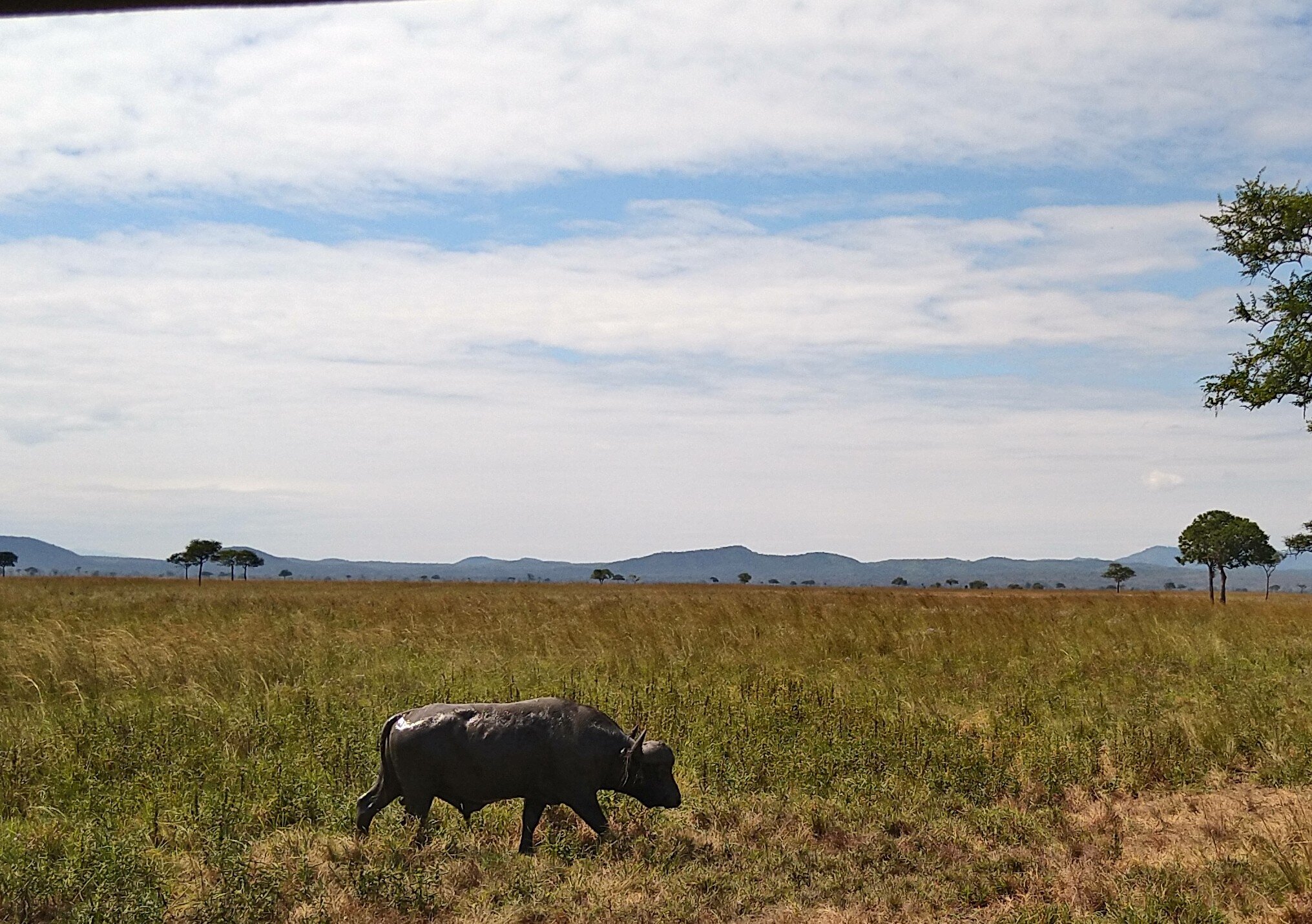
Mikumi is the only protected area in Tanzania crossed by a national trunk road, and this remains its most visible conservation problem.
The A7 was first paved between 1973 and 1974 and upgraded to full tarmac in 1989 and 1990. Mortality has been recorded systematically since. Between 1973 and 1988, 456 large mammals were killed, including 135 buffalo, 17 elephant, 17 giraffe and three hippo. The figure between 1992 and 2008 reached 2,241 animals, and current estimates put it above 360 animals a year.
Smaller animals take the heaviest share by count. One fifteen month study logged 111 mammals, 55 birds and 183 reptiles.
Mitigation so far amounts to eleven speed bumps along the park section and gates at each end that are unmanned. Enforcement beyond the bumps is limited, and transit traffic passes through without stopping.
Research has also shown the road pushes an avoidance zone into the park. In tall grassland, eland, bohor reedbuck, black-backed jackal, elephant and wildebeest used ground within 600 metres of the highway far less often than expected.
When road upgrades are proposed through other Tanzanian parks, Mikumi is the example that gets raised in the argument against. The data exists here because somebody has been counting for fifty years.
Mikumi as a Wildlife Corridor in the Selous Ecosystem
Mikumi’s conservation value rests less on its own 3,230 square kilometres than on what it connects.
The park borders Nyerere National Park, formerly the Selous Game Reserve, along its southern edge, and the two function as one ecosystem with animals moving between them. Mikumi also acts as a corridor toward the Udzungwa Mountains to the southwest.
Taken together with Nyerere, the Udzungwas and the Uluguru range, the connected system spans more than 75,000 square kilometres. To the west, elephant and buffalo are recorded using Ukwiva Forest Reserve on the Rubeho massif, with researchers suggesting some animals move annually between those mountain forests and the park.
That connectivity is why a mid sized park holds four of the Big Five, over 400 bird species and occasional African wild dog. Break the links and Mikumi becomes an island.
Wildlife Monitoring and Research in Mikumi
Mikumi is unusually well studied for a park of its profile, largely because the highway made it a natural laboratory.
Aerial wildlife censuses have been conducted across the Selous and Mikumi ecosystem, supported by organisations including the Frankfurt Zoological Society and funded by international donors including the German government through KfW.
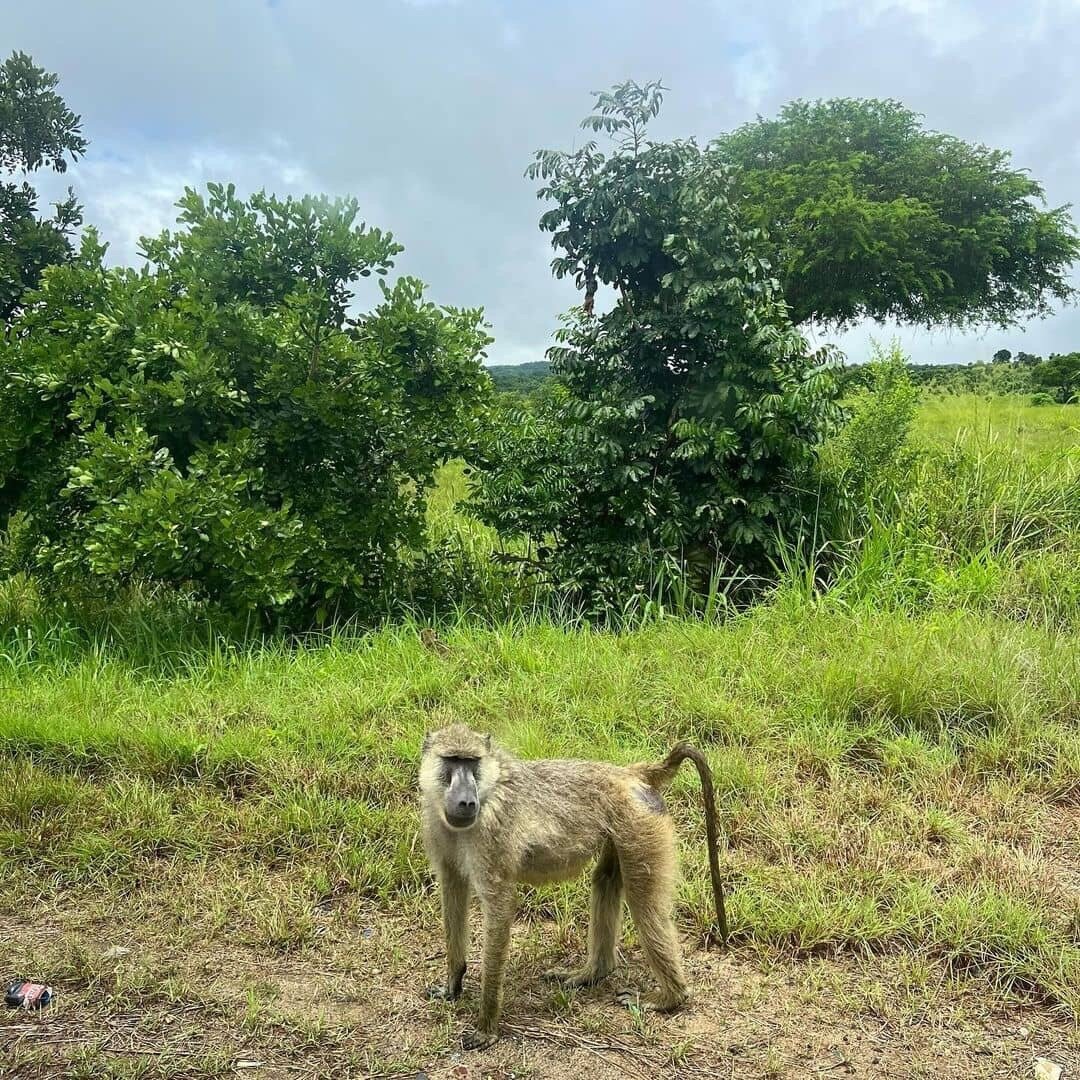
Ground research has covered highway effects on large mammal distribution, road mortality patterns going back to the 1970s, and the feeding behaviour of habituated yellow baboon troops that use the road as a bridge between foraging areas. Forest assessment work has been carried out on Malundwe Mountain within the park and presented at Tanzanian wildlife research conferences.
African wild dog in the region were hit by a rabies epidemic in the past and came close to disappearing, which is part of why sightings remain rare and why the species is watched closely.
How Tourism Supports Conservation in Mikumi
Mikumi attracts the highest number of domestic visitors of any Tanzanian national park, which matters more than it might sound. A park that Tanzanians visit is a park with a domestic constituency behind it.
Its accessibility has made it an important educational site, used to build awareness of why protecting the country’s wildlife matters. Park fees fund the operation, and community revenue sharing pushes part of that money outward to the villages living with the consequences of a protected area next door.
Responsible tourism sits alongside anti-poaching and habitat management as one of the three stated priorities of park management.
Visitors can help in small, unglamorous ways: paying proper park fees rather than looking for ways around them, driving the highway slowly, never feeding baboons, and using operators who employ local guides.
Getting to Mikumi and Supporting the Park
The main gate sits on the Tanzam highway roughly 283 to 300 kilometres from Dar es Salaam, four to five hours by road via Morogoro. Fees are paid by Visa or Mastercard at the gate or through the TANAPA online portal, and cash is not accepted for them.
Kikoboga airstrip inside the park handles light aircraft from Dar es Salaam, Zanzibar, Nyerere and Ruaha. Gates open at first light and close at six in the evening.
Camping through TANAPA, staying in park bandas, and booking activities such as walking safaris and night drives through official channels all put money into the same system.
Questions About Conservation in Mikumi
Who manages Mikumi National Park?
The Tanzania National Parks Authority, known as TANAPA, which oversees the national park system and runs ranger patrols and anti-poaching units in Mikumi. The park was gazetted in 1964 and is one of more than twenty national parks under TANAPA management.
Do my park fees support conservation in Mikumi?
Yes. Entry fees fund park operations directly, and TANAPA operates revenue sharing that allocates a share of tourism income to neighbouring communities for projects such as classrooms and dispensaries. Adult foreign non-residents currently pay around US$30 per person per day and children aged 5 to 15 about US$10, with lower rates for residents and East African citizens.
Will rhino be reintroduced to Mikumi?
TANAPA has stated an intention to reintroduce black rhino, with animals available from South Africa and habitat surveys completed. Rhino were wiped out in the park by poaching several decades ago and are the only Big Five species missing. Nothing has been confirmed as delivered, so treat it as a plan rather than a schedule and ask rangers for the current position.
What is the biggest conservation problem in Mikumi?
The highway. Mikumi is the only protected area in Tanzania crossed by a national trunk road, and wildlife mortality on it is estimated above 360 animals a year. Research also shows several large mammal species avoid ground within 600 metres of the road. Mitigation currently amounts to eleven speed bumps.
How can visitors help conservation in Mikumi?
Pay proper park fees through official channels, drive the highway slowly and take particular care at dawn, dusk and after dark, never feed baboons or other wildlife, stay in your vehicle except at designated areas, and use operators who employ local guides. Booking activities and campsites through TANAPA puts money into the same system.
Are there community projects around Mikumi?
Yes. Park authorities run community engagement work supporting village development projects including classrooms, dispensaries and school desks, funded through revenue sharing. Alternative livelihood programmes exist to give young people around the park income that does not depend on poaching or charcoal burning.
Booking Your Mikumi Trip
The safari companies and tour operators listed on this website put trips like this together for a living and know which camps, guides and routes actually deliver. We are an independent guide to Mikumi; we do not book or sell tours ourselves.
When you are ready, arrange your safari, tour or holiday with one of the recognised operators listed here. Tell them your dates and what matters most, and a real person, not a form, will handle the itinerary, park bookings and logistics for you.