Where to Stay in Mikumi National Park
Accommodation inside Mikumi National Park comes down to three camps and a set of TANAPA campsites: Vuma Hills Tented Camp in the southwestern hills, Stanley’s Kopje on a rock outcrop above the Mkata Floodplain, Mikumi Wildlife Camp near park headquarters at Kikoboga, plus public and special campsites booked through the park. Staying inside changes a Mikumi safari because park entry runs for 24 hours from the moment you enter and keeps covering you overnight. Mikumi lies in Tanzania’s Morogoro region, four hours from Dar es Salaam.
Below is what each option gives you, and how to decide between sleeping inside the boundary and outside it.
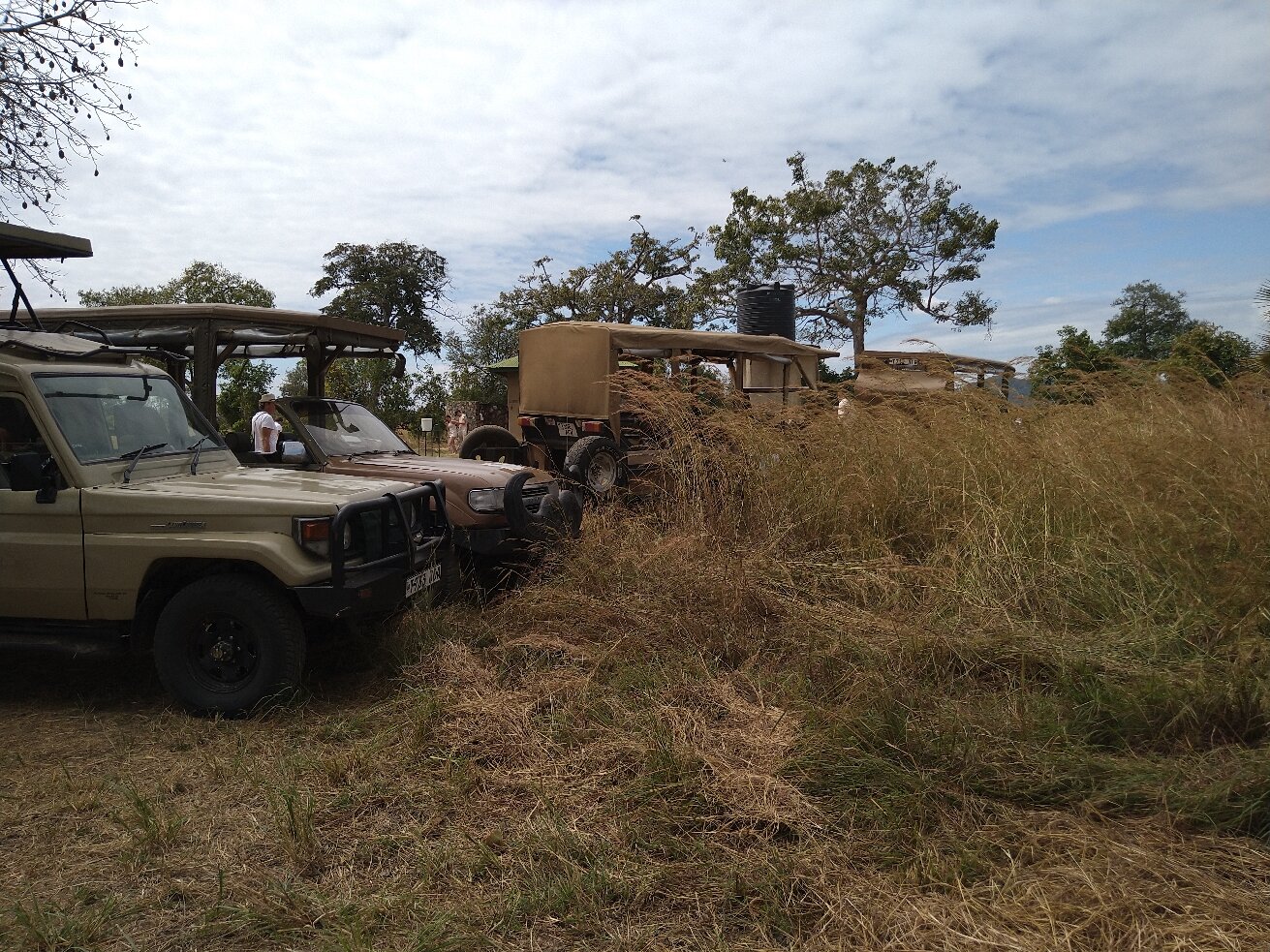
Camps Inside Mikumi National Park
Mikumi is not overbuilt. Three properties sit inside the boundary, and between them they hold fewer than fifty rooms, which is small for a park of 3,230 square kilometres.
They occupy genuinely different positions. Vuma Hills is up in miombo woodland on high ground in the southwest. Stanley’s Kopje sits on a rock outcrop out on the floodplain itself. Mikumi Wildlife Camp is central, near park headquarters and the airstrip, close to the main gate and about three hundred metres from the Tanzam highway.
None of them is luxury in the international sense. Mikumi has no properties in the class you find in the Serengeti or the private concessions of Nyerere, and anyone told otherwise is being sold something. What is on offer is comfortable, small scale and unfenced.
Sleeping inside the park is not just about atmosphere. Park entry is valid 24 hours from when you clear the gate, so an in-park bed keeps that clock running through the night. Sleep outside and you pay entry again each morning, which over three days closes much of the price gap.
Vuma Hills Tented Camp Safari Accommodation
Vuma Hills sits above the forest canopy in the southwestern part of Mikumi, with sixteen tents on raised wooden decks under makuti thatch, looking out over the plains below. It is unfenced, so wildlife moves through the camp.
The elevation is the point. Being on a hillside above the tree line means the evenings come with a view over grassland and mountains rather than a wall of bush, and sundowners are usually taken up here for that reason.
It stays open all year, which sets it apart from Stanley’s Kopje. Access to some parts of the park is still limited between March and May regardless of where you sleep, but the camp itself does not close. Tents are en suite and there is a pool.
The trade-off is distance from the floodplain. The main game viewing circuit is a drive away, so morning starts are earlier here than at the central camps. What you gain is miombo woodland on the doorstep, where sable antelope and greater kudu live.
Stanley’s Kopje Camp Above the Mwanamboga Waterhole
Stanley’s Kopje is built on a rocky kopje out on the Mkata Floodplain, overlooking the Mwanamboga waterhole, and it sits in what many guides consider the best game viewing ground in the park.
Twelve Meru style tents are spread around the lower perimeter of the hill on raised wooden platforms with thatched roofs, giving 360 degree views over the plain. Each tent is themed around a historical figure. Amenities include en suite bathrooms with solar heated water, a safe, charging facilities and complimentary laundry, plus an outdoor pool, restaurant and bar.
It is solar powered, so guests are asked to go easy on water and electricity. Activities from camp include game drives, walking safaris, birding and excursions to the Udzungwa Mountains.
The catch is seasonal. Stanley’s Kopje operates from around June to February and closes through the wettest months because the access track becomes unreliable. If your trip falls in March, April or May, this one is off the table.
Mikumi Wildlife Camp at Kikoboga
Mikumi Wildlife Camp, sometimes called Kikoboga Lodge, sits next to park headquarters in the centre of the park with twelve rooms across six bandas, the round thatched huts that give it its character.
It looks out over a waterhole that gets busy through the dry season, with elephant, buffalo and impala as regular visitors, and it has views across the Mkata Floodplain. Game viewing in the immediate vicinity is often described as underrated, with lion, elephant, buffalo and giraffe all seen close to camp.
Position is its strongest card. The main gate, the airstrip and the hippo pools are all minutes away, which makes it the easiest base for anyone arriving late or leaving early.
Its weakness is the same thing. At around three hundred metres from the Tanzam highway, night traffic carries. Rates commonly start near US$135 per person.
Three camps, fewer than fifty rooms, in a park the size of a small county. Mikumi’s accommodation is thin, and in the dry season the good tents go early.
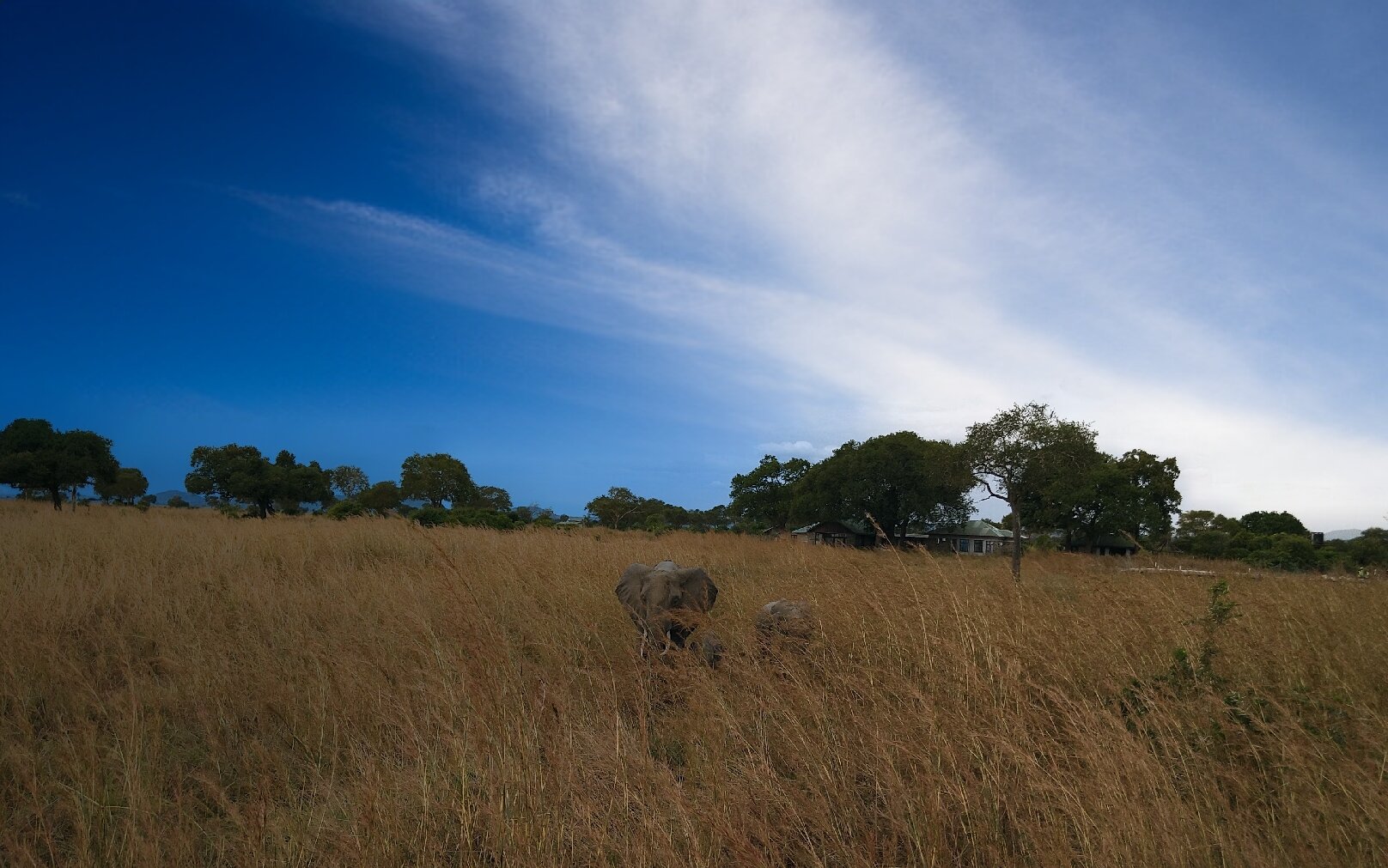
TANAPA Bandas and Campsites Inside Mikumi
The park authority runs its own accommodation, and it is the cheapest way to sleep inside the boundary by a wide margin.
Bandas are available, along with public campsites near park headquarters offering basic facilities. These suit overlanders and self drive travellers, and camping is a common way of breaking longer routes between Dar es Salaam, Iringa and the rest of the southern circuit.
Special campsites are the other option. These are remote sites with no facilities at all, booked in advance and used exclusively by your group, which is the whole point of them. Wildlife passing through camp at night is normal rather than exceptional.
Bookings for bandas and campsites go through park headquarters. You need your own tent, food, water and a vehicle capable of reaching the site.
Staying Inside Mikumi Versus Outside the Park
Mikumi town, on the park’s western edge, holds a cluster of lodges and motels at a fraction of in-park prices. Tan-Swiss Lodge, Camp Bastian, Angalia Tented Camp, Afrika Yangu, Mikumi Adventure Lodge and Camp Atupele are the names that come up most.
The saving is real. It is also smaller than it looks once park fees enter the calculation, because sleeping outside means re-entering each morning at around US$30 per adult foreign non-resident plus the vehicle charge.
You also lose time. The most productive hour of a Mikumi day is the one just after the gates open at first light, and starting from outside the boundary means driving to the gate before you can use it.
What outside lodges give you in return is choice, availability, lower prices and, in the wet months, reliable access when in-park tracks are poor.
Inside the park: three small camps plus TANAPA bandas and campsites. Dawn starts on the circuit, 24 hour entry running overnight, unfenced bush around you. Limited availability and higher rates.
Mikumi town, outside the gate: a wide range of lodges and motels at much lower prices, reliable year round access, and a fresh park entry fee every morning.
Camping: public campsites near headquarters for around US$29.50 per adult per night, or remote special campsites with no facilities. Cheapest way to sleep inside the boundary.
Choosing Accommodation by Season on a Mikumi Safari
Season narrows the field more than budget does. Stanley’s Kopje runs roughly June to February and closes for the wettest stretch. Vuma Hills stays open year round. Mikumi Wildlife Camp near the highway stays reachable when outlying tracks do not.
June to October is the dry season and the busiest period, and with so few rooms in the park, the good tents book out months ahead. If you want an in-park camp in September, treat several months of lead time as normal.
March to May sees very few visitors, and with limited lodging open, room rates barely differ from the high season. The low season saves less money in Mikumi than the label suggests.
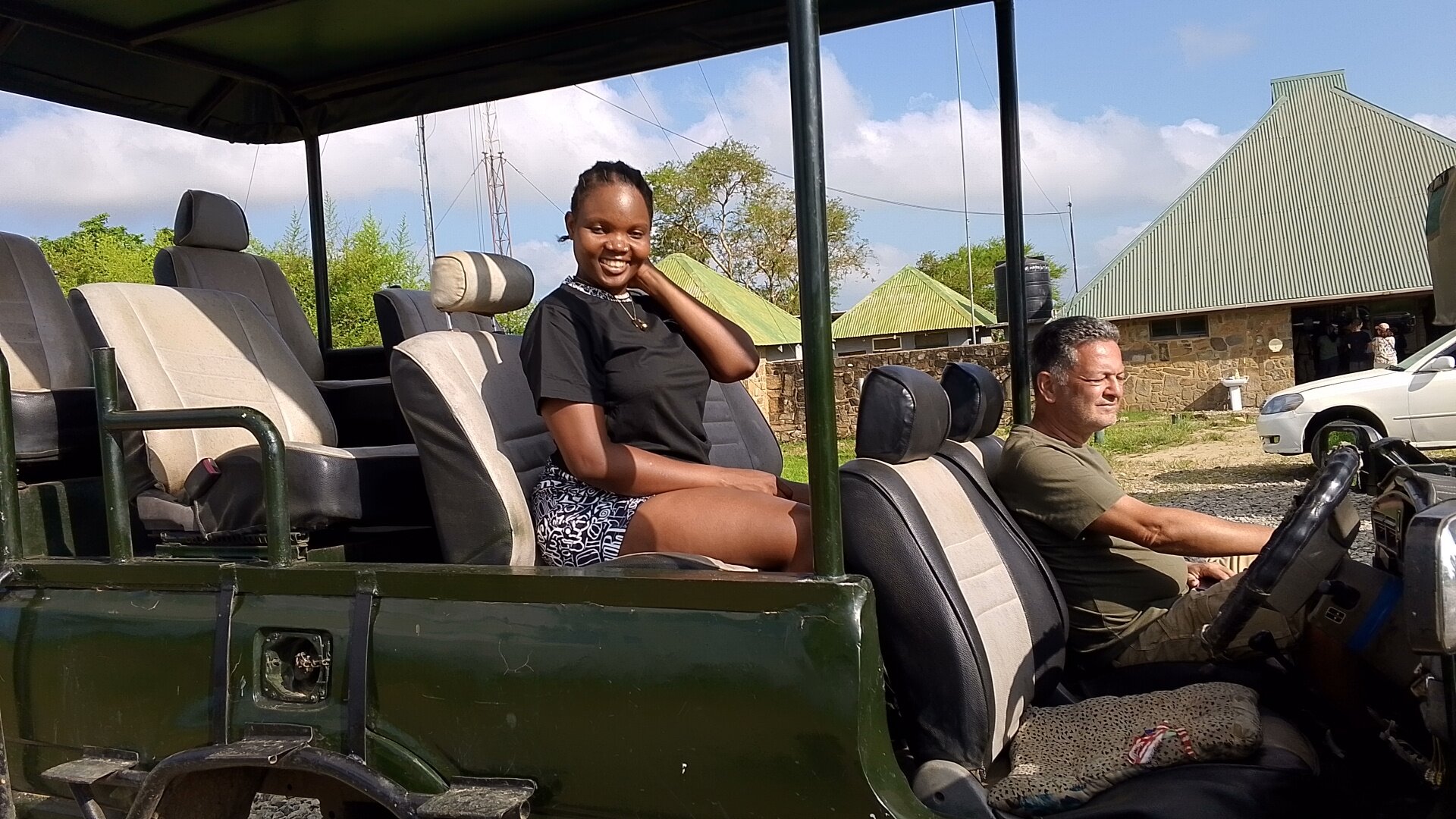
What Mikumi Camps Are Like and What They Are Not
Expect solar power, bucket or solar heated showers in the tented camps, mosquito nets, and limited or no wifi. Charging facilities exist but are shared and often restricted. Guests at solar camps are routinely asked to conserve water and electricity.
Expect small numbers of guests, buffet breakfasts and lunches, set dinner menus, and staff who will know your name by the second evening.
Do not expect fenced grounds, room service, air conditioning in tents, or the polish of a Serengeti lodge. The camps are honest about this and so should any operator selling them.
Getting to Your Camp in Mikumi
The main gate sits on the Tanzam highway roughly 283 to 300 kilometres from Dar es Salaam, four to five hours by road via Morogoro. Camps near Kikoboga are minutes from the gate. Vuma Hills takes considerably longer, since it lies out in the southwestern hills.
Kikoboga airstrip inside the park handles light aircraft, with Safari Air Link connecting Dar es Salaam, Zanzibar, Nyerere and Ruaha. Transfers from the strip to the central camps are short.
Gates close at six in the evening and late arrivals are turned away regardless of prepayment. If you are driving from the coast on the day you check in, leave early.
Questions About Where to Stay in Mikumi
How much does accommodation inside Mikumi cost?
Vuma Hills tents start around US$150 per person per night full board, with packages including two game drives from roughly US$250. Stanley’s Kopje runs closer to US$350 to US$500 per night and is usually sold as part of a safari package. Mikumi Wildlife Camp starts near US$135 per person. TANAPA public campsites are around US$29.50 per adult per night with children aged 5 to 15 near US$11.80. Park entry is charged separately.
Which camp inside Mikumi has the best game viewing?
Stanley’s Kopje sits on the Mkata Floodplain overlooking the Mwanamboga waterhole, in what is widely regarded as the best game viewing ground in the park. Mikumi Wildlife Camp has its own busy waterhole. Vuma Hills trades floodplain access for miombo woodland, where sable antelope and greater kudu live.
Is Stanley’s Kopje open all year?
No. It operates from around June to the end of February and closes through the wettest months because the access track across the floodplain becomes unreliable. Vuma Hills stays open year round, and lodges outside the park in Mikumi town operate in every month.
Should I stay inside Mikumi or in Mikumi town?
Inside if you want dawn drives and can get a booking, since park entry runs 24 hours from when you enter and keeps covering you overnight. Outside if budget is the priority or you are travelling in the wet months, accepting that you pay entry again each morning and lose the first hour of light.
Can I camp inside Mikumi National Park?
Yes. TANAPA runs public campsites near park headquarters with basic facilities, and remote special campsites with none at all, both booked through the park. You need your own tent, food, water and a suitable vehicle. Camping is a common way to break longer overland routes through the southern circuit.
How far ahead should I book accommodation in Mikumi?
For dry season dates between June and October, several months. The park has fewer than fifty rooms inside its boundary across three camps, so availability is genuinely tight in the peak months. Outside the high season you can usually book much closer to travel.
Booking Your Mikumi Trip
The safari companies and tour operators listed on this website put trips like this together for a living and know which camps, guides and routes actually deliver. We are an independent guide to Mikumi; we do not book or sell tours ourselves.
When you are ready, arrange your safari, tour or holiday with one of the recognised operators listed here. Tell them your dates and what matters most, and a real person, not a form, will handle the itinerary, park bookings and logistics for you.