Camping Safari in Mikumi National Park
A camping safari in Mikumi National Park uses TANAPA public campsites near park headquarters or remote special campsites with no facilities at all, both booked in advance through the park. Public sites cost around US$29.50 per adult per night, which makes camping by far the cheapest way to sleep inside the boundary and keep your 24 hour park entry running overnight. Mikumi covers 3,230 square kilometres in Tanzania’s Morogoro region, four to five hours from Dar es Salaam.
Below is how camping works here, what each site type offers, and what you need to bring.
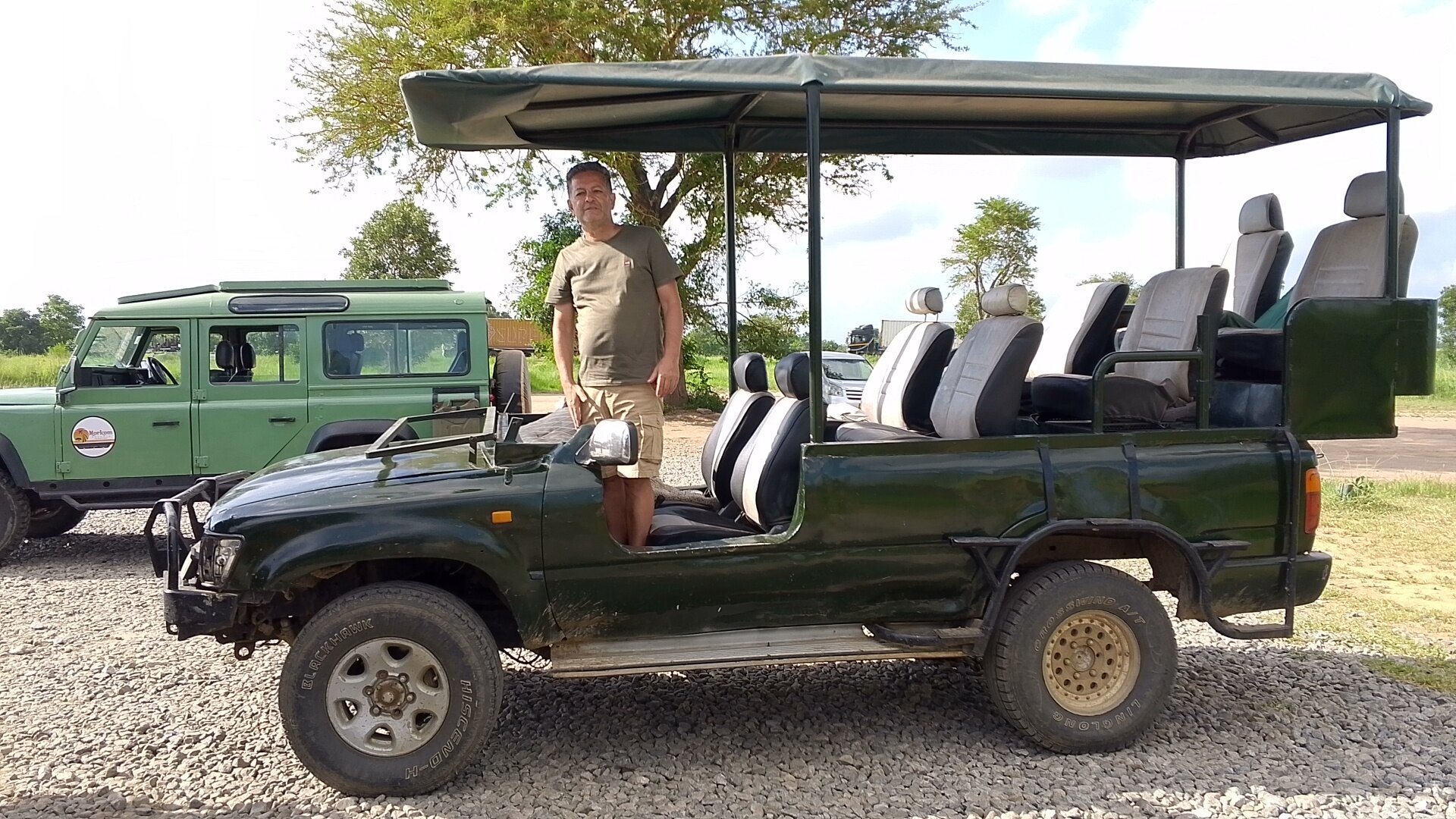
Public Campsites on a Mikumi Camping Safari
Public campsites sit near park headquarters at Kikoboga, close to the main gate and the airstrip, with basic facilities provided.
Basic is the operative word. Expect a cleared area, water and long-drop or simple ablutions rather than anything resembling a lodge. Sites are shared, so you may be pitched alongside other travellers.
What the position buys you is access. The hippo pools are about five kilometres north, and the Mkata Floodplain circuit starts within minutes, so you are on the plain at gate opening rather than driving toward it.
Camping is a common way to break longer overland routes between Dar es Salaam, Iringa and the rest of the southern circuit, and it suits self-drive travellers and overlanders more than anyone else.
The financial case for camping is stronger than it first looks. Park entry runs 24 hours from when you clear the gate, so sleeping inside means one entry fee covers an afternoon drive, a night and the following morning. Camping outside the boundary costs you a fresh fee every day.
Special Campsites for a Wilderness Camping Safari
Special campsites are the other option and they work on a different principle entirely.
These are remote sites with no facilities at all, booked exclusively for your group so nobody else is pitched anywhere near you. That exclusivity is the whole point of them, and it is what you are paying the higher per person rate for.
You bring everything: tents, water, food, cooking equipment, fuel and a way of dealing with waste. Nothing is provided and nothing is on site.
Wildlife passing through camp at night is normal rather than exceptional. For experienced campers that is the appeal; for anyone unsure, the public sites near headquarters are the sensible starting point.
Special sites need booking well ahead through park headquarters, since only one group uses each at a time.
What a Mikumi Camping Safari Costs
TANAPA camping fees for the Mikumi and Udzungwa group currently run around US$29.50 per adult per night at public campsites, with children aged 5 to 15 near US$11.80 and under fives free. Special campsites cost more per person, reflecting the exclusive use.
Park entry is charged separately and daily: around US$30 per adult foreign non-resident and about US$10 for children aged 5 to 15, with Tanzanian residents paying roughly US$15 and US$5, and East African citizens less again in shillings.
The vehicle fee is separate again. A private car of up to five seats runs about US$10 per day for a foreign registered vehicle and around US$5 for a Tanzanian one.
Set against in-park camps at US$135 to US$500 per person per night, the saving is substantial. Set against lodges outside the boundary at US$75 to US$84 a night, it narrows once you count the repeated entry fees those lodges force on you.
Booking Campsites and Bandas in Mikumi
Both public and special campsites are booked through park headquarters rather than through a lodge or a booking site. TANAPA also runs bandas in the park, which are simple built accommodation for anyone who wants a roof without lodge prices.
Book ahead, particularly for the dry season from June to October and especially for special campsites, which take one group at a time.
Park fees are paid by Visa or Mastercard at the main gate or through the TANAPA online portal. Cash is not accepted for park fees and there are no ATMs inside the park.
Gates open at first light and close at six in the evening. Arriving after six means being turned away regardless of what you have prepaid.
Camping in Mikumi is not a compromise version of a safari. Waking inside an unfenced park, hearing hippo returning to the pools before first light, is closer to the thing itself than most lodge rooms get you.
What to Bring on a Camping Safari in Mikumi
Everything. There is nowhere inside the park to buy food, water or fuel, and no shop at the campsites.
Tent, sleeping mats, bedding, a cooking system and fuel, plus enough water for drinking, cooking and washing. Morogoro, about 118 kilometres short of the park, is the last town with proper shops and fuel.
A torch or headlamp is not optional at an unfenced site. A cool box, a mosquito net if your tent lacks one, and insect repellent with DEET, since Mikumi is a malaria area and prophylaxis is standard advice for Tanzania.
Neutral coloured layers, including a fleece for dry season mornings when temperatures drop toward 15 degrees, and a wide brimmed hat, sunglasses and sunscreen for the rest of the day.
Take all rubbish out with you.
Safety at a Mikumi Campsite
Camps and campsites in Mikumi are unfenced, and animals move through at night. That is the arrangement rather than a fault in it.
Do not walk around alone after dark. Keep food sealed and out of tents, since smell attracts everything from baboons to hyena. Keep tent zips closed, including on the bathroom side if there is one.
Yellow baboons are the most likely daytime nuisance and will raid an unattended camp within seconds. Never feed anything.
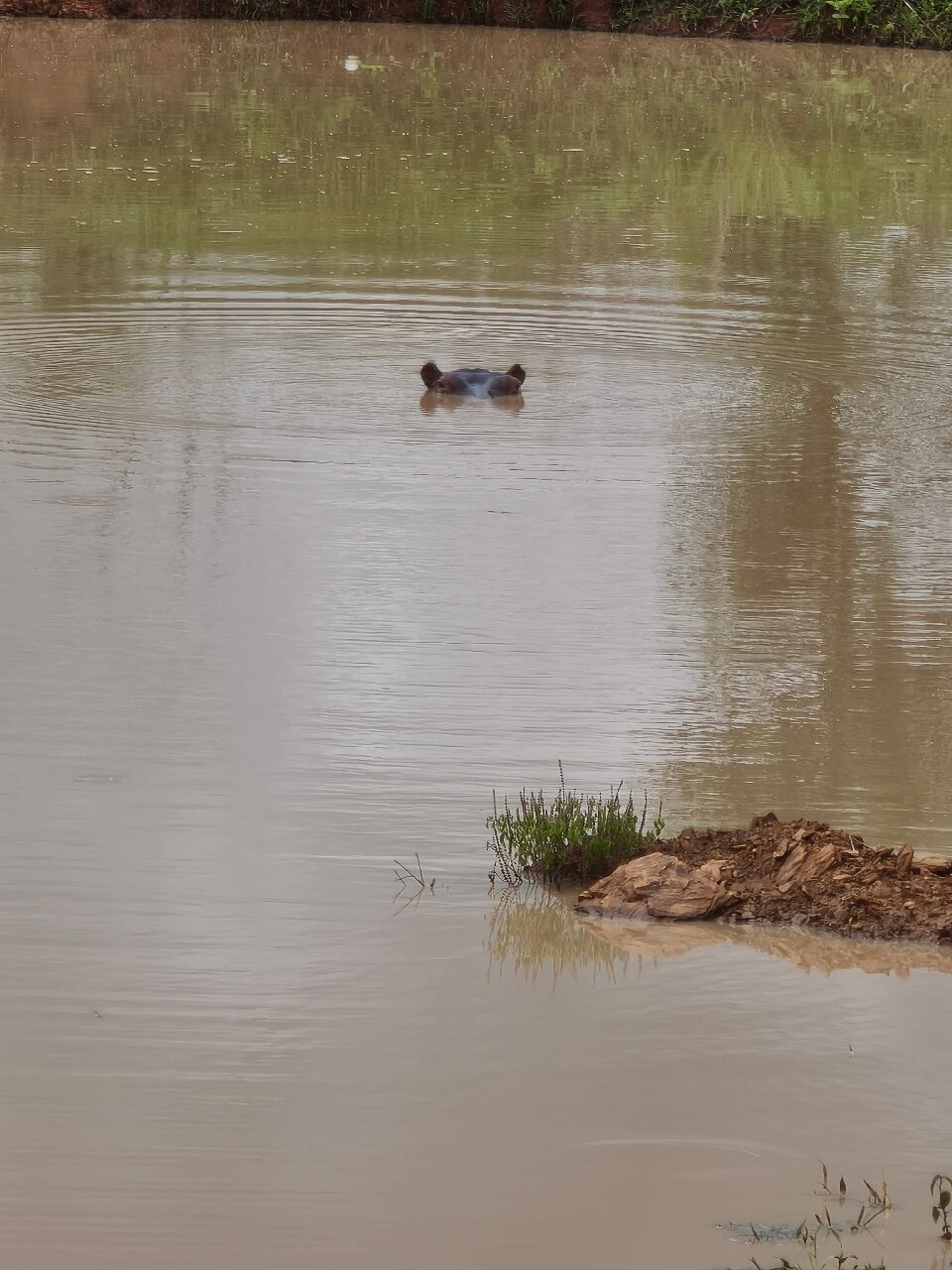
If a large animal is in camp, stay in the tent and wait rather than going out to look. Hippo leave the pools after dark to graze, sometimes walking several kilometres, and a hippo between you and water is the single most dangerous situation available here.
Best Season for a Camping Safari in Mikumi
June to October is the dry season and by far the easiest time to camp. Ground is dry, tracks are firm, there is no rain to contend with and nights are the coolest of the year.
September and October bring the strongest game viewing, with animals concentrated at the remaining water, so a campsite near headquarters puts you close to the action.
From November to May the picture changes. Humidity is high, afternoon showers become likely and nothing dries. March and April bring heavy persistent rain, tracks deteriorate badly and camping becomes genuinely unpleasant.
June to October: the camping season. Dry ground, firm tracks, cool nights and the best wildlife viewing of the year. Book ahead for these months.
November to February: hot and humid with sharp showers. Green plains and migrant birds, but damp kit and heavy nights.
March to May: heaviest rain, worst track conditions and the hardest camping of the year. Lodges outside the boundary are the sensible fallback.
A Camping Day on the Mkata Floodplain
Camping changes the shape of a safari day, mostly for the better.
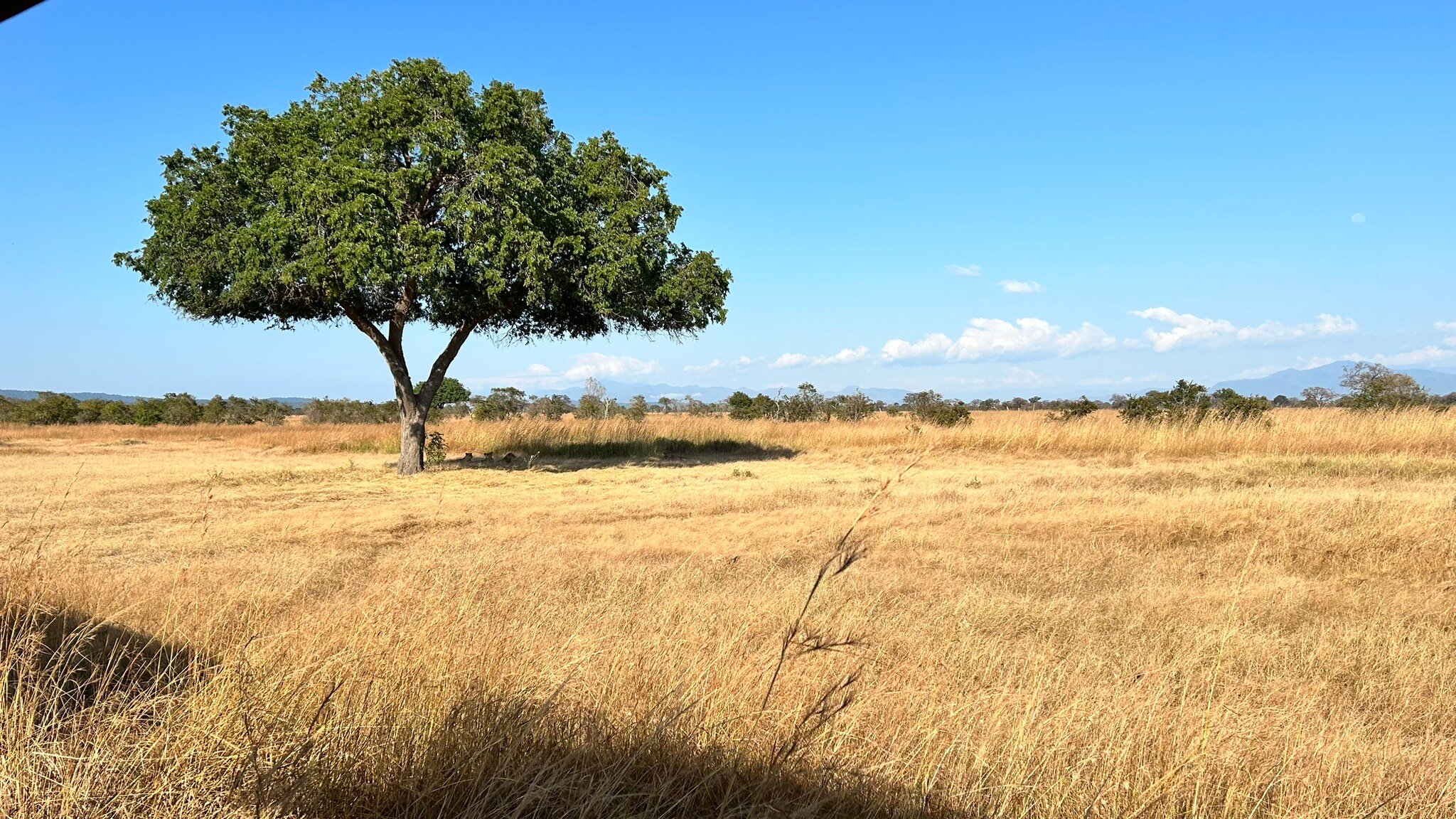
You are already inside the park when the gates open, so the first two hours on the floodplain cost you nothing but an early alarm. That is the most productive window of the day, when predators are still moving and lion are findable on the flattened tops of termite mounds.
Cooking at camp through the hot middle hours replaces the drive back to a lodge, and the hippo pools five kilometres north of the gate are the exception to the midday lull, since hippo are in the water then rather than out grazing.
Evenings are the part campers remember. Gates close at six, so you are back before dark, and the sounds start once the light goes.
Camping Outside the Park Near Mikumi Town
If in-park camping is booked out or the season is against you, several properties around Mikumi town take campers.
Afrika Yangu Camp and Lodge sits on the park boundary as an eco lodge with camping and fifteen guest rooms, a pool, bar and restaurant, and bike hire. Jozi Camp Site, Morio Motel and Campsite and Mikumi Resort and Campsite serve overlanders and self-drive travellers wanting a pitch rather than a room.
The trade is the same one every outside stay involves: cheaper and more comfortable, at the cost of a fresh park entry each morning and losing the first hour of light on the floodplain.
For a single night on a longer overland run, that trade usually makes sense. For a dedicated Mikumi trip, it does not.
Questions About Camping Safaris in Mikumi
How much does camping cost in Mikumi National Park?
TANAPA public campsites in the Mikumi and Udzungwa group run around US$29.50 per adult per night, with children aged 5 to 15 near US$11.80 and under fives free. Special campsites cost more per person for exclusive use. Park entry of about US$30 per adult foreign non-resident per day and the vehicle fee are charged separately.
How do I book a campsite in Mikumi?
Through park headquarters, which handles both public and special campsites along with bandas. Book well ahead for the dry season from June to October, and especially for special campsites, which take one group at a time. Park fees are paid by card at the gate or through the TANAPA online portal.
What is the difference between public and special campsites?
Public campsites sit near park headquarters with basic facilities and are shared with other travellers. Special campsites are remote, have no facilities at all, and are booked exclusively for one group at a time. Special sites cost more and require you to be entirely self sufficient.
Is camping in Mikumi safe?
Campsites are unfenced and wildlife moves through at night, which is normal for African parks. Do not walk around alone after dark, keep food sealed and out of tents, and stay inside if a large animal is in camp. Baboons raid unattended camps by day. Malaria prophylaxis is standard advice for the region.
What do I need to bring to camp in Mikumi?
Everything: tent, bedding, cooking equipment and fuel, food and water. There is nowhere inside the park to buy anything and no ATMs. Morogoro, about 118 kilometres short of the park, is the last town with proper shops and fuel. Bring a torch, insect repellent and a fleece for dry season mornings.
Is camping cheaper than staying in a lodge near Mikumi?
Considerably, and the gap is wider than it looks. In-park camps run US$135 to US$500 per person per night and lodges outside the boundary start around US$75 to US$84. Camping inside also keeps your 24 hour park entry running overnight, whereas sleeping outside means paying entry again each morning.
Booking Your Mikumi Trip
The safari companies and tour operators listed on this website put trips like this together for a living and know which camps, guides and routes actually deliver. We are an independent guide to Mikumi; we do not book or sell tours ourselves.
When you are ready, arrange your safari, tour or holiday with one of the recognised operators listed here. Tell them your dates and what matters most, and a real person, not a form, will handle the itinerary, park bookings and logistics for you.