Cycling Safari in Mikumi National Park
A cycling safari around Mikumi National Park takes place outside the park boundary rather than on the game viewing circuit, since cycling among free-roaming lion, elephant and buffalo is not permitted inside Tanzanian national parks. Rides run through the villages, farmland and buffer country around Mikumi town, with bike hire available at lodges on the boundary such as Afrika Yangu. Inside the park, the on-foot activity is a guided walking safari with an armed ranger. Mikumi sits in Tanzania’s Morogoro region.
Below is what cycling around Mikumi actually involves, why the park itself is closed to bikes, and what to do instead.
Why You Cannot Cycle Inside Mikumi National Park
It is worth being direct about this, because a fair number of pages imply otherwise.
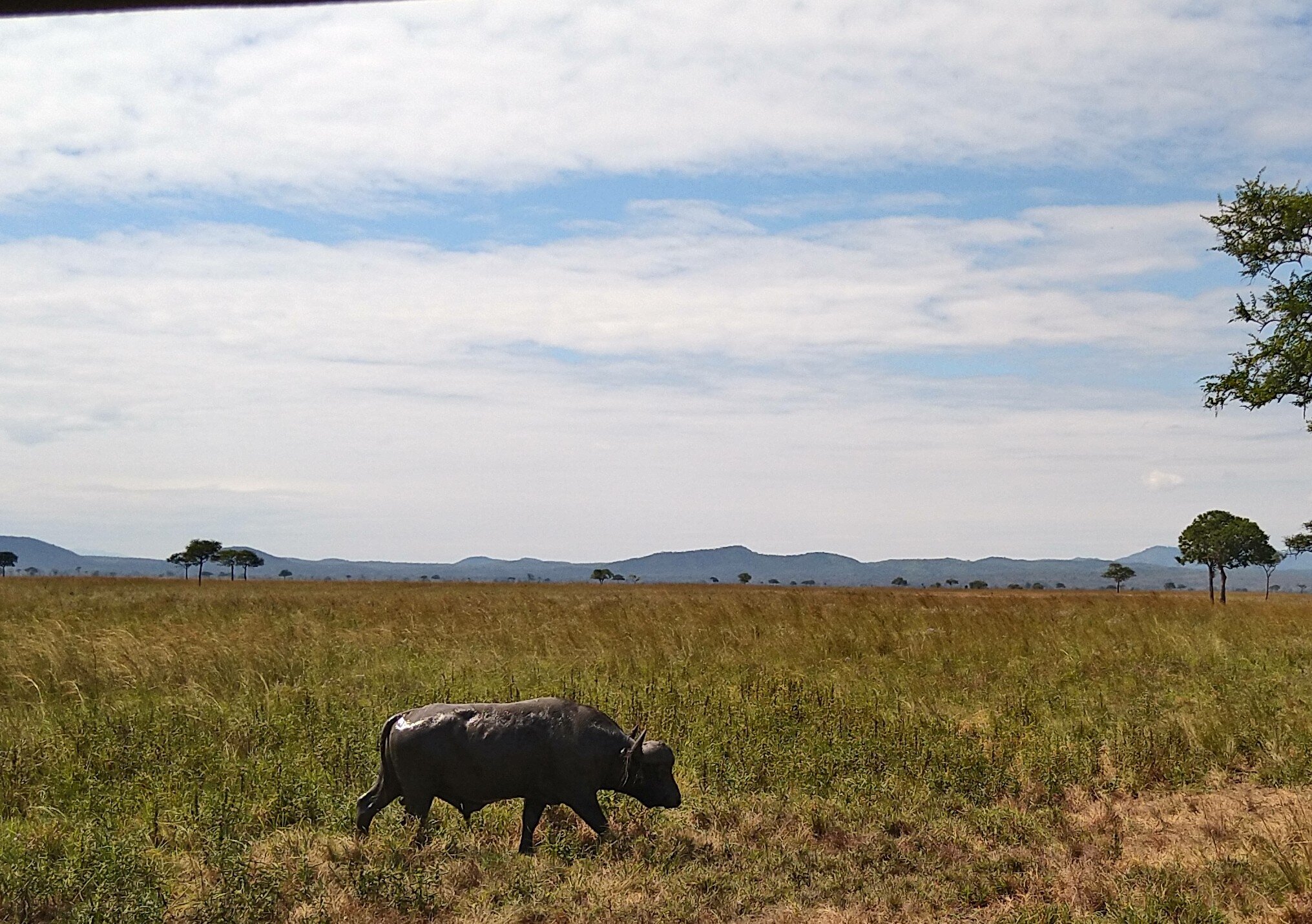
Mikumi holds four of the Big Five: lion, leopard, elephant and buffalo, along with spotted hyena and hundreds of hippo. Park rules keep visitors inside vehicles except at designated areas such as the hippo pools viewing point, and the only permitted way to move on foot is a guided walking safari accompanied by an armed ranger.
A bicycle offers none of the protection a vehicle does, cannot outrun anything that matters, and gives a ranger no way to manage a situation. Buffalo and hippo in particular are responsible for more human injuries in African parks than most predators.
So there is no in-park cycling product in Mikumi, and any operator selling one is either describing rides outside the boundary or is not being straight with you.
If you have seen cycling listed among Mikumi activities, check where the ride actually happens. Lodges on the boundary offer bike hire and village routes, which is a genuinely good half day. It is not a game drive on two wheels and should not be sold as one.
Cycling Around the Mikumi Park Boundary
What does exist, and works well, is riding in the buffer country around the park.
Afrika Yangu Camp and Lodge sits on the Mikumi boundary as an eco lodge with camping, and bike hire is popular with guests there. Other lodges around Mikumi town can usually arrange something similar.
Routes run through farmland, village tracks and the mixed country between the park edge and the settlements. The riding is not technical and the terrain is mostly flat, since the plain only starts rising toward the Uluguru and Rubeho foothills further out.
What you get is a different kind of morning: the sounds and pace of rural Tanzania rather than the wildlife of the plain. For anyone who has done three game drives and wants to stretch their legs, it is a sensible use of a half day.
Village and Cultural Cycling Tours Near Mikumi
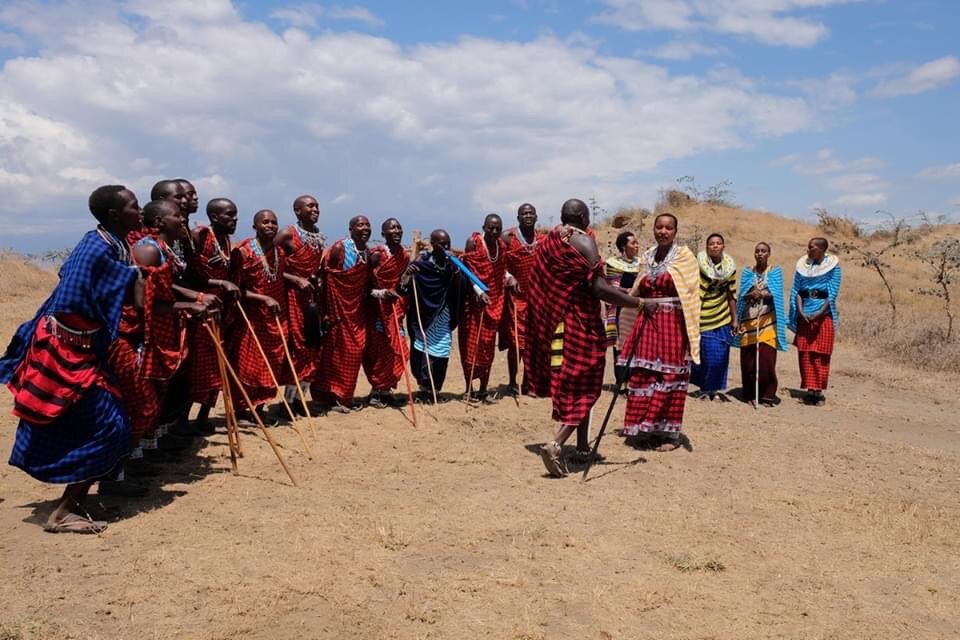
Mikumi sits close to small villages, and some operators arrange visits to nearby communities as part of a stay. Cycling is a natural way to do that, since the distances are short and a bike moves at the speed of a conversation.
Communities around the park have a complicated relationship with it. Villagers have spoken openly about young people turning to poaching and charcoal burning for lack of other income, and TANAPA runs revenue sharing that funds village projects including classrooms, dispensaries and school desks.
Alternative livelihood programmes exist precisely to change that arithmetic, and visitor spending in the villages is part of the picture.
Go with a local guide rather than riding into a village unannounced. It is both more interesting and considerably more welcome.
Guided Walking Safaris as the In-Park Alternative
If the appeal of cycling is being out of a vehicle, the in-park equivalent is a walking safari, and Mikumi is one of the few southern circuit parks where it is permitted.
Walks go out with an armed ranger, last three to four hours in the early morning, and run mostly along the Mkata River corridor or around the hippo pools. Groups are typically capped around six and booking is required in advance.
The focus is tracks, dung, feeding sign, plants and birds rather than large animals. You learn which animal crossed where and when, how to read bark rubbed smooth by elephant, and which plants have food or medicinal uses.
Charges run around US$20 for a walk of one to four hours and about US$25 for longer, on top of park entry. It is the closest thing Mikumi offers to the freedom cyclists are after.
The instinct behind wanting to cycle a park is right: vehicles put glass and engine noise between you and the place. In Mikumi the answer to that instinct is an armed ranger and a pair of boots, not a bike.
Cycling Elsewhere in Tanzania Around a Mikumi Trip
Tanzania has a growing cycling tour scene, and several operators build rides into wider itineraries. It is worth knowing where those sit relative to Mikumi.
The Uluguru Mountains above Morogoro, roughly two hours back toward Dar es Salaam, are the nearest serious option. Guided walks and rides run from the town into the forest reserve, taking in waterfalls at Kibwe, Fizigo, Choma and Hululu, with permits handled through the forest reserve rather than TANAPA.
Udzungwa Mountains National Park, a short drive southwest of Mikumi, is a walking destination built around forest trails and waterfalls rather than cycling.
Adding a night in Morogoro on the way to or from Mikumi is the easiest way to fit an active day into a safari itinerary without disrupting it.
Practical Preparation for Cycling Near Mikumi
Ride early. The country around Mikumi is hot from mid-morning, and the dry season from June to October runs roughly 15 to 30 degrees, with the wet months frequently into the low thirties and humid.
Carry more water than the distance suggests, and sunscreen, since there is little shade on farmland tracks. A wide brimmed hat under or instead of a helmet, and long sleeves for sun.
Check the bike before you take it. Hire bikes at lodges vary considerably, and a puncture repair kit and pump are worth confirming rather than assuming.
Roads around Mikumi town include the A7, which carries heavy freight between Dar es Salaam and Zambia. Stay off the highway and on the village tracks.
Inside the park: no cycling. Game drives by vehicle and guided walking safaris with an armed ranger at around US$20 to US$25 per person are the only ways to move.
Around the boundary: bike hire at lodges including Afrika Yangu, with rides through villages, farmland and buffer country. Flat, unhurried and best done early.
Further afield: the Uluguru Mountains above Morogoro for walking and riding into the forest reserve, and Udzungwa Mountains National Park for forest trails and waterfalls.
Best Time for Cycling Around Mikumi
June to October gives the best riding conditions. Dry ground, firm tracks, cooler temperatures and no rain to contend with. Mornings in June and July are genuinely cold at first light, which is comfortable once you are moving.
From November to February the country greens up, which is far more pleasant to ride through, but heat and humidity build and afternoon showers become likely. Ride early or not at all.
March and April bring the heaviest rain of the year. Village tracks turn to mud, and riding becomes hard work rather than a pleasure.
Where to Stay for a Cycling and Safari Trip
Lodges outside the park boundary suit this best, since they are where the bikes are and where the rides start. Afrika Yangu sits on the boundary with fifteen guest rooms, a pool, bar and restaurant, and bike hire.
Camp Bastian, Tan-Swiss, Angalia Tented Camp and Camp Atupele are the other names in the Mikumi town cluster, with rooms starting around US$75 to US$84 a night across the area.
The trade of sleeping outside is that you pay park entry again each morning you go in, currently around US$30 per adult foreign non-resident plus the vehicle fee, and you lose the first hour of light on the floodplain.
For a trip that mixes riding outside with driving inside, that trade is usually worth making.
Questions About Cycling Safaris in Mikumi
Can I cycle inside Mikumi National Park?
No. Cycling is not permitted on the game viewing circuit, since the park holds lion, elephant, buffalo, hyena and hippo and visitors must stay in vehicles except at designated areas. The only permitted way to travel on foot is a guided walking safari with an armed ranger.
Where can I hire a bike near Mikumi?
Afrika Yangu Camp and Lodge on the park boundary offers bike hire and it is popular with guests. Other lodges around Mikumi town can usually arrange something. Check the condition of the bike, and confirm that a pump and puncture kit come with it.
What does a cycling trip near Mikumi cost?
Bike hire is arranged locally through lodges and priced accordingly, usually modestly. There is no park fee involved, since rides happen outside the boundary. If you also want to enter the park, standard entry applies at around US$30 per adult foreign non-resident per day plus roughly US$40 for a safari vehicle.
What is the alternative to cycling inside Mikumi?
A guided walking safari with an armed ranger, running three to four hours in the early morning along the Mkata River corridor or near the hippo pools. It costs about US$20 for one to four hours or US$25 for longer, on top of park entry, and needs booking in advance.
Is it safe to cycle around Mikumi town?
On village and farmland tracks, yes, with normal care. Stay off the A7 highway, which carries heavy freight between Dar es Salaam and Zambia through the area. Ride early to avoid the heat, carry plenty of water and go with a local guide if you are heading into villages.
Are there cycling tours elsewhere near Mikumi?
The Uluguru Mountains above Morogoro, roughly two hours back toward Dar es Salaam, are the nearest option for guided walking and riding into forest reserve country with waterfalls. Udzungwa Mountains National Park southwest of Mikumi is a walking destination rather than a cycling one.
Booking Your Mikumi Trip
The safari companies and tour operators listed on this website put trips like this together for a living and know which camps, guides and routes actually deliver. We are an independent guide to Mikumi; we do not book or sell tours ourselves.
When you are ready, arrange your safari, tour or holiday with one of the recognised operators listed here. Tell them your dates and what matters most, and a real person, not a form, will handle the itinerary, park bookings and logistics for you.