When Is the Best Time to See Lions in Mikumi?
The best time for lion sightings on a Mikumi safari is the late dry season, from September through October, when the grass on the Mkata Floodplain is at its shortest and prey concentrates at the last remaining water. Within a day, the first two hours after the gates open at first light give the strongest odds. Lion in Mikumi are seen regularly rather than daily, and the park sits in Tanzania’s Morogoro region, four to five hours from Dar es Salaam.
Below is how timing works for lion here, month by month and hour by hour, along with an honest read on what to expect.
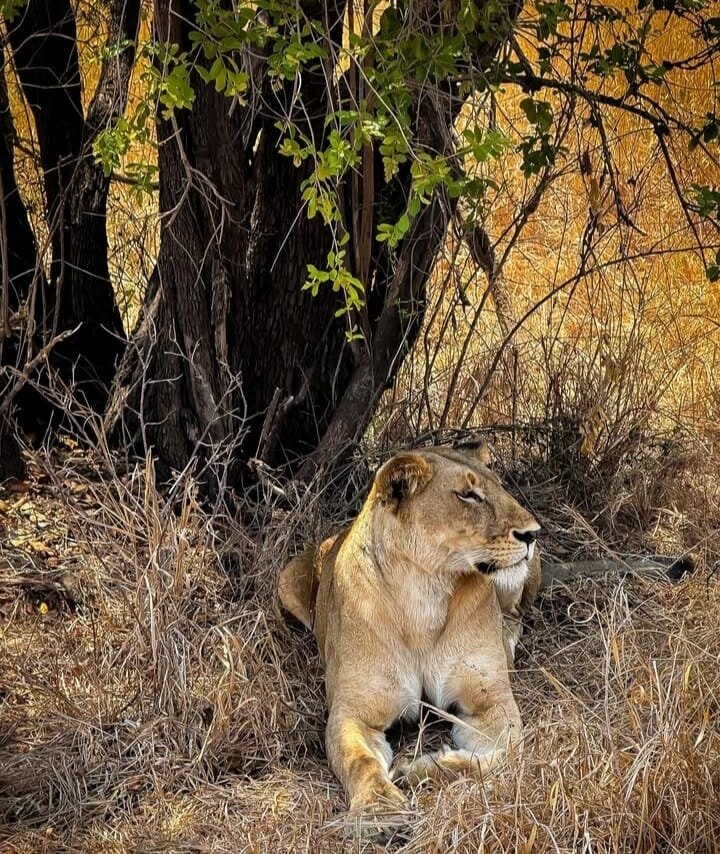
Best Months for Lion Sightings on a Mikumi Safari
Lion viewing in Mikumi follows grass height more than anything else. The animals are present all year, but whether you can see them is a different question.
From June the plain begins drying, grass lies down and browns off, and visibility improves week by week. By September and October the grass is at its shortest of the year and lion become far easier to pick out from a vehicle.
From November onwards the rains bring the grass back. It grows past a metre in places across the floodplain, and a lion lying down in that is simply gone. March and April are the hardest months, combining tall grass with poor track conditions.
June to October is the practical window. September and October are the two months to aim for if you have any flexibility.
Lion in Mikumi are described in guides as occasional rather than abundant. Anyone selling you a guaranteed sighting is overselling. Two mornings of drives in October gives roughly double the chance of one, and that is the honest lever you have.
September and October: Peak Lion Tracking on the Mkata Floodplain
These are the strongest weeks and they work for two connected reasons.
The first is the grass. Short cover means a lioness on the ground is visible at distances where in March she would be invisible at fifty metres. It also means the whole 60 kilometre circuit becomes scannable rather than just the verges.
The second is prey. By late dry season the seasonal channels of the Mkata River have retreated and animals concentrate on the hippo pools and the named waterholes. Buffalo gather in herds running into the hundreds. Zebra, wildebeest, impala and eland cycle through daily.
Predators follow that concentration, which makes lion behaviour more predictable in space, and easier to see. Ask your guide which waterholes are drawing prey and work those.
October is also the hottest stretch of the dry season, so the middle of the day is flat and lion will be in whatever shade they can find.
Best Time of Day for Lion Sightings in Mikumi
The first two hours after gates open at first light are the most productive of the twenty four. Lion are still moving from the night, the air is cool enough for them to stay active, and low light rakes across the grass making shapes stand out.
By nine or ten the heat pushes them into cover, and midday drives rarely produce lion in the open. That window is better spent at water, where elephant and buffalo are drinking.
From about four in the afternoon lion begin stirring again as temperatures drop. Gates close at six, which caps the evening earlier than the lion’s own schedule would.
Anyone doing a day trip from Dar es Salaam misses both windows entirely, arriving late morning and leaving mid-afternoon. That is the single strongest argument for one night in or beside the park.
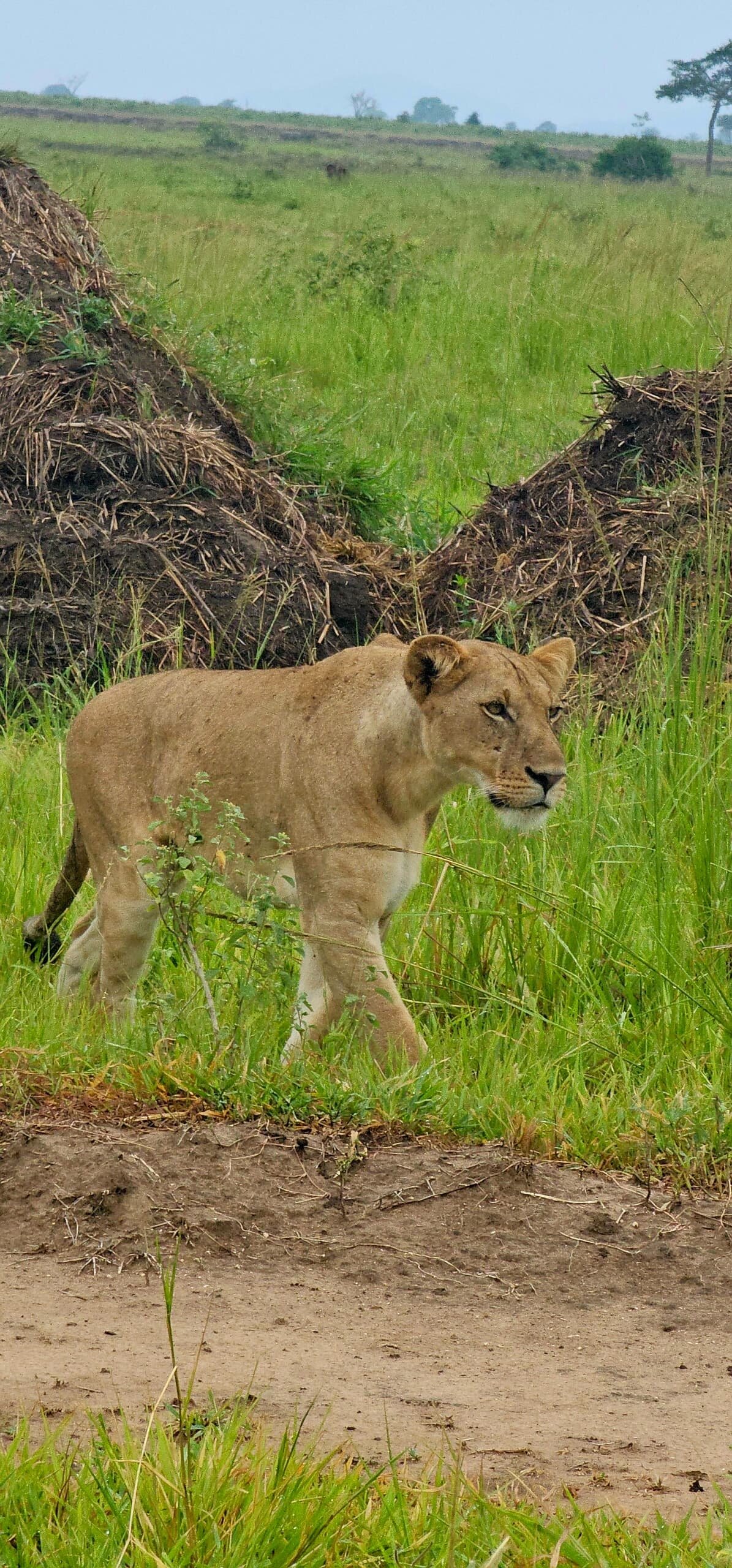
Termite Mounds and Short Grass on a Dry Season Lion Safari
Lion on the Mkata Floodplain use the flattened tops of termite mounds as lookouts over the herds, and this is the behaviour Mikumi is known for.
The logic is simple. A mound gives a lioness roughly a metre of extra height, which is enough to see over grass that would otherwise hide zebra, wildebeest, impala and buffalo moving across the plain. Prides use them habitually through the dry season.
For a visitor, that turns lion spotting from scanning open ground into checking specific structures. Work the mounds with binoculars rather than sweeping the grass. A shape on top of a mound at first light is a lion far more often than it is a rock.
This also means the short grass months serve twice over: the lion are more visible, and the mounds they sit on stand clear of the vegetation.
Scan the termite mounds first and the grass second. In the late dry season that one habit does more for your lion odds than any amount of extra driving.
Tree Climbing Lions During the Mikumi Rainy Season
The wet season has one compensation. During the rains, when grass grows past a metre, lion in Mikumi have been recorded resting high in trees rather than on mounds.
It comes up often enough in accounts of this park to be worth asking about, and some sources rate the chance of seeing tree climbing lion here as better than in most Tanzanian parks. It remains luck rather than something to plan a trip around.
The behaviour makes sense in context. When the ground cover is too tall to see over and the ground itself is wet, a horizontal acacia branch offers the same advantage a mound does in October, along with a breeze and fewer insects.
If you are travelling between November and May and lion are your priority, tell your guide. Working the riverine acacia and sausage trees along the Mkata River becomes a more sensible use of the morning than quartering the open grass.
Night Game Drives and Lion Activity in Mikumi
Mikumi is one of a short list of Tanzanian parks where night game drives are permitted, alongside Ruaha, Katavi, Tarangire, Lake Manyara and Nyerere.
Drives run roughly from eight until eleven in the evening, require an armed ranger and a vehicle set up for the purpose, and must be booked in advance. That timing catches the front end of the lion’s active night, which daylight drives cannot reach.
Night drives also turn up genet, civet, bushbaby and occasionally a hunting leopard, which is the one realistic route to a leopard sighting in this park.
Charges run around US$50 per adult non-resident, with a separate vehicle charge if you use your own car. It is the cheapest meaningful upgrade to a lion focused trip.
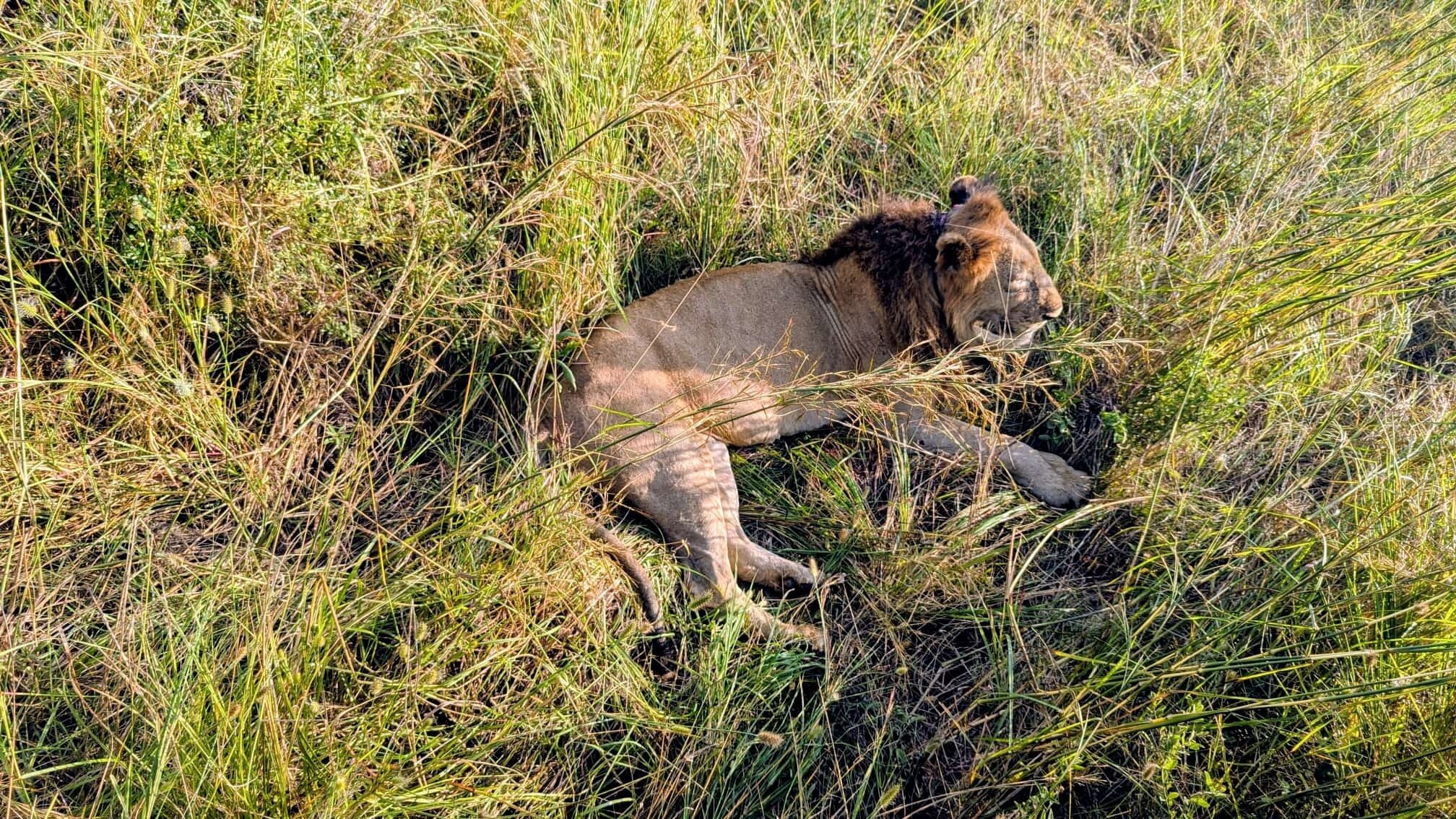
Where Lions Are Found in Each Season
In the dry months, work the open Mkata Floodplain and the ground around the hippo pools, Chamgore and Mkata waterholes and Mwanamboga below Stanley’s Kopje. Prey concentration draws predators, and the mounds give the lion their vantage points.
In the wet months, shift attention to the riverine woodland along the Mkata River, where acacia and sausage trees offer both cover and the tree resting behaviour. Open plain drives become far less productive when the grass is high.
Lion are seen close to camp in the Kikoboga area near park headquarters, along with elephant, buffalo and giraffe, which is one of the reasons game viewing around that central strip is often called underrated.
September and October: the peak. Shortest grass of the year, prey concentrated at the last water, lion on termite mounds across the floodplain.
June to August: strong and improving through the period as the plain dries. Coldest mornings of the year, which keeps lion active later into the morning.
November to May: tall grass and dispersed prey make sightings harder. The trade is a better chance of finding lion resting in trees along the river.
How Prey Movement Sets Lion Timing in Mikumi
Everything about lion timing here traces back to water. Mikumi has no large permanent river through its game viewing area, so between June and October the number of drinking options collapses and grazers have to come to the few pools that hold.
Buffalo, zebra, wildebeest, impala and eland all move on that schedule. Elephant drink mid-morning. Lion position themselves around the same geometry.
Once the rains arrive from November, water lies everywhere and prey disperses across the whole plain. Lion follow, spreading out over ground that is now also hidden by grass, and the odds fall accordingly.
That is why the best month for lion in Mikumi is the same as the best month for everything else, rather than being a separate calculation.
How Many Days You Need for a Realistic Lion Sighting
One night in the park gives you two drives, at least one of them at first light. Two nights gives you three, including two mornings, and that is the point at which lion move from possible to likely in the dry season.
Day trips from Dar es Salaam, arriving late morning and leaving mid-afternoon, miss both active windows and should not be planned around lion at all.
Adding a night drive to a two night trip covers the other end of the day and is worth doing if lion are the priority.
Getting to Mikumi for a Lion Safari
The main gate sits on the Tanzam highway roughly 283 to 300 kilometres from Dar es Salaam, four to five hours by road via Morogoro on surfaced highway. Gates open at first light and close at six in the evening.
Staying inside the park means you are on the floodplain circuit at opening rather than driving toward the gate. Park entry runs 24 hours from the moment you clear the gate and keeps covering you overnight, which is the practical argument for an in-park camp on a lion focused trip.
Kikoboga airstrip inside the park handles light aircraft from Dar es Salaam, Zanzibar, Nyerere and Ruaha.
Questions About Lion Sightings in Mikumi
What month is best for seeing lions in Mikumi?
September or October, at the tail of the long dry season, when grass is shortest and prey concentrates at the remaining waterholes. The broader dry season from June to October all works well. November to May makes sightings considerably harder as grass grows past a metre.
Are lions guaranteed in Mikumi?
No. Lion here are described as regular rather than abundant, and sightings are good in the dry season without being certain on any given drive. Two mornings out roughly doubles your chance compared with one. Ask your guide what has been seen in the past week rather than relying on general claims.
What does a lion focused Mikumi safari cost?
Park entry runs around US$30 per adult foreign non-resident per day and about US$10 for children aged 5 to 15, with lower rates for residents and East African citizens. A safari vehicle adds roughly US$40 per day. Adding a night game drive costs about US$50 per adult non-resident plus a vehicle charge of around US$50 if you use your own car. Budget two day group trips from Dar es Salaam commonly run US$300 to US$500 per person.
Can you really see tree climbing lions in Mikumi?
It happens, mostly during the rains when grass is tall, and Mikumi comes up more often than most Tanzanian parks in this context. It is a matter of luck rather than something to build an itinerary around. If you are visiting in the wet months, working the riverine acacia and sausage trees along the Mkata River is the sensible tactic.
What time should I start a game drive to see lions?
At gate opening, first light. The first two hours are the most productive of the day, with lion still moving from the night before heat drives them into cover. From about four in the afternoon there is a second window, though gates close at six.
Are night drives better for lions in Mikumi?
They catch the front end of the lion’s active night, which daylight drives cannot reach, so they add rather than replace. Drives run roughly eight until eleven with an armed ranger and need booking in advance. They also offer the most realistic chance of a leopard, which is otherwise rare here.
Booking Your Mikumi Trip
The safari companies and tour operators listed on this website put trips like this together for a living and know which camps, guides and routes actually deliver. We are an independent guide to Mikumi; we do not book or sell tours ourselves.
When you are ready, arrange your safari, tour or holiday with one of the recognised operators listed here. Tell them your dates and what matters most, and a real person, not a form, will handle the itinerary, park bookings and logistics for you.