Which Month Offers the Best Wildlife Viewing in Mikumi?
September and October offer the best wildlife viewing on a Mikumi safari, with October usually edging it, because water is scarcest then and large herds gather at the last remaining pools on the Mkata Floodplain. Grass is also at its shortest of the year, which makes lion and other predators far easier to pick out. Mikumi National Park sits in Tanzania’s Morogoro region, four to five hours inland from Dar es Salaam, and its game viewing runs entirely on how much water is lying on the plain.
What follows is a month by month read of the year, so you can match your dates to what they will realistically deliver.
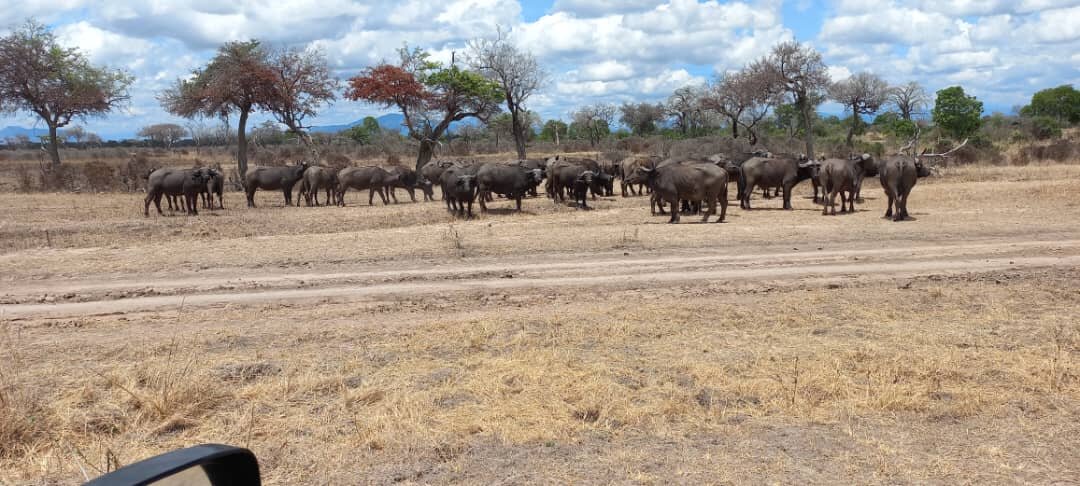
The Single Best Month for Wildlife Viewing in Mikumi
If you have one month to pick and nothing constraining you, take October.
By then the long dry season has been running for four months. The seasonal channels of the Mkata River have retreated, the grass has browned and lain down, and the number of drinking options across 3,230 square kilometres has collapsed to a handful. Buffalo gather in herds running into the hundreds. Elephant come to water mid-morning and stay.
September runs it very close and is a shade cooler, which matters if you dislike heat. October is hotter and dustier, with haze that softens the mountain backdrop by mid-morning, but it holds the biggest concentrations.
Neither month guarantees anything. Lion in Mikumi are seen regularly rather than daily even at the peak.
Mikumi prices barely move between seasons, unlike the northern circuit. That makes month selection one of the only free upgrades available here. If your dates are flexible at all, spend the flexibility on September or October rather than on a better lodge.
January and February Wildlife Viewing on a Mikumi Safari
These two months sit inside the wet season but often deliver a shorter drier spell, sometimes described as a second dry season. When that happens, conditions can be surprisingly good and the park is close to empty.
It varies year to year and nobody can promise it. What is consistent is heat and humidity, green cover and grass that is already substantial.
Birding is at its best in these weeks. European and North African migrants are present in numbers, resident species are in breeding plumage and active, and the pools hold storks, herons and waders. Mikumi has more than 400 recorded bird species and January and February are when the list runs longest.
Calves are on the ground from the wet season births, which brings predator activity even if the predators themselves are harder to spot in the grass.
March and April: The Hardest Months for Mikumi Game Drives
These are the weakest months for mammal viewing and it is worth being blunt about it. The long rains peak here, falling heavily and persistently rather than in brief afternoon bursts.
Grass grows past a metre across large stretches of the floodplain. Water lies everywhere, so animals no longer need to visit any particular place and disperse across the whole park. Black cotton soil turns to a heavy paste and parts of the 60 kilometre circuit become impassable.
Stanley’s Kopje out on the plain closes for the season because its access track cannot be relied on. Vuma Hills stays open, and lodges outside the boundary near Mikumi town operate throughout.
Very few visitors come. With limited accommodation open, room rates barely differ from the high season, so the low season saves less money here than the label suggests.
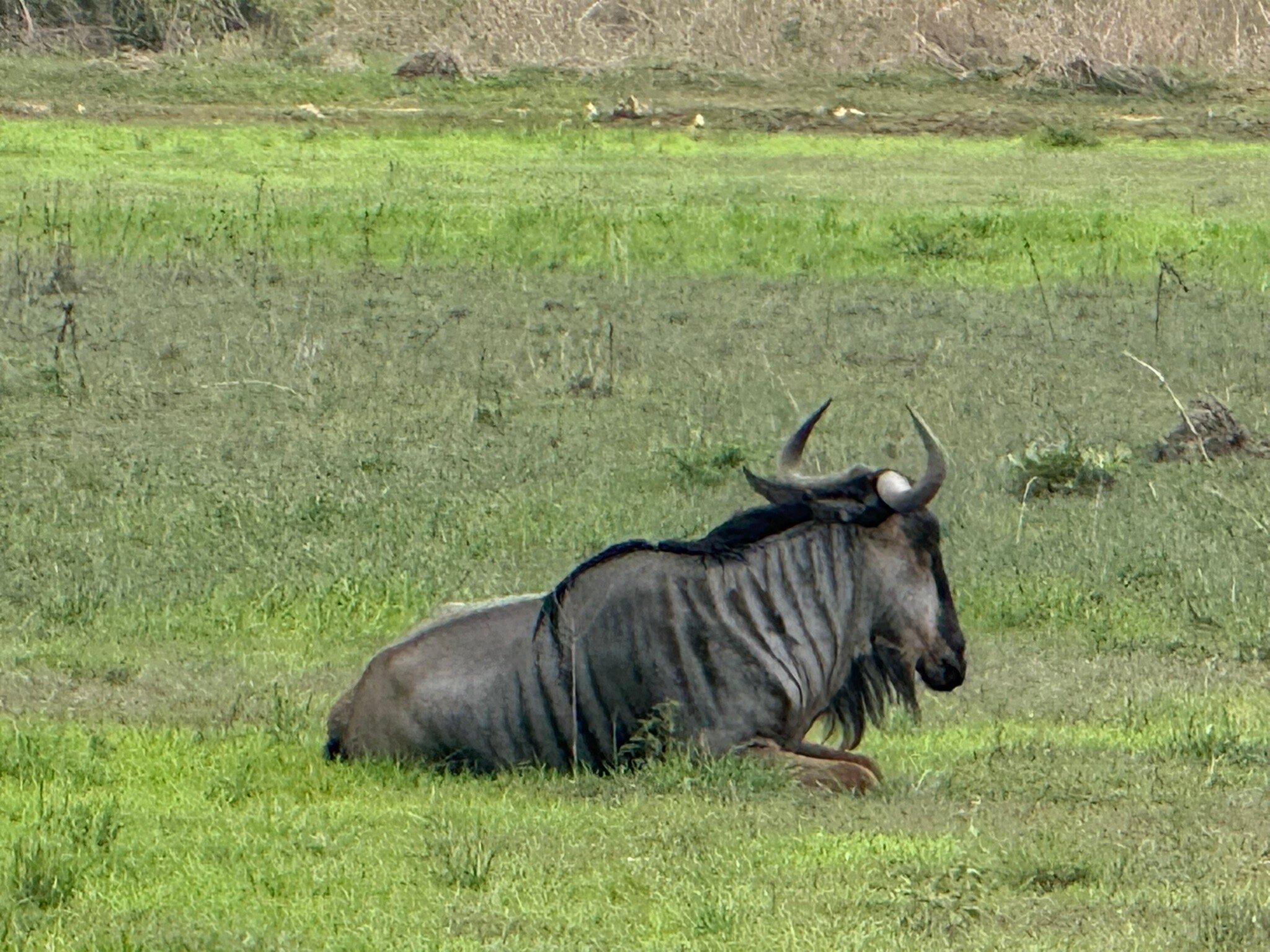
May: The Turning Month for a Mikumi Safari
May is transitional and more interesting than its reputation. Rain begins easing through the month, and while the grass is still tall, visibility starts returning and drives become manageable again.
Animals move around the park as conditions change, which makes for varied sightings rather than predictable ones. Resident birds are finishing their breeding season and migrants gather before heading north.
You get some of the green season look with the beginnings of dry season access, and almost nobody else in the park. For a traveller who values quiet over guaranteed sightings, May has a genuine case.
Four wheel drive is still needed. The ground has not dried out by any means.
Mikumi does not have a bad month, it has months that ask more of you. In April you work hard for what October hands over before nine in the morning.
June and July: The Dry Season Opens on the Mkata Floodplain
June opens the long dry season and marks the start of the high season. The grass that grew through the rains begins lying down and browning, visibility improves week by week, and the seasonal channels start pulling back.
These are the coolest months of the year, with temperatures running roughly between 15 and 30 degrees. Early mornings in an open vehicle are genuinely cold and a fleece is the item visitors most often wish they had packed.
Game viewing is good and improving rather than at its peak. Water is still available in more places than it will be in September, so herds are not yet forced to concentrate.
July continues the drying. Tracks across the black cotton soil firm up completely, which opens loops of the circuit that are difficult at other times.
August: Building Toward Peak Mikumi Game Viewing
August is the quiet strong month. Conditions are firmly dry, the plain is open, and animals are beginning to gather at the hippo pools and the named waterholes in numbers that make a morning drive productive rather than hopeful.
It is cooler than October and less dusty, which suits photographers who want the mountain backdrop sharp. The Uluguru range to the northeast and the Rubeho plateau to the west both hold their outline better in August than they will six weeks later.
For anyone who wants close to peak game viewing without peak heat, August is the sensible compromise.
September and October: the peak. Shortest grass, scarcest water, biggest gatherings at the pools. October hotter and dustier, September a shade cooler.
June to August: strong and improving. Coolest months of the year, firm tracks, open sightlines, herds not yet fully concentrated.
November to May: green, hot and dispersed. Best birding of the year from December to February. March and April are the hardest weeks for mammal viewing.
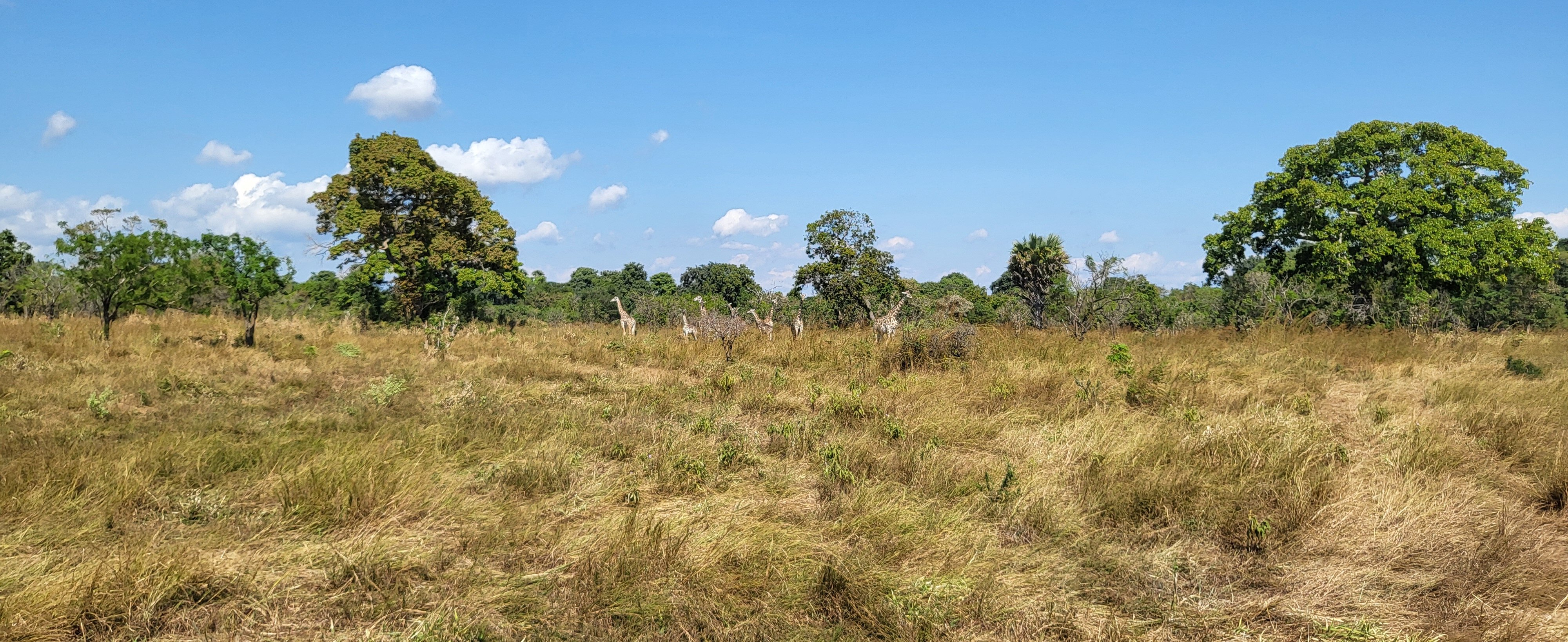
November and December: Short Rains and Migrant Birds
November brings the short rains, usually as sharp afternoon showers rather than all day drizzle, and the plain greens up within a fortnight. December continues the pattern.
Mammal viewing gets harder immediately. Water becomes available across the whole floodplain, so the concentration that makes September work simply dissolves. Grass rises fast.
What arrives instead is birds. Migrants from Europe and North Africa turn up in numbers, joining a resident cast that includes lilac-breasted roller, yellow-throated longclaw, secretary bird, bateleur and the storks at the pools. Blacksmith plovers, cattle egrets, herons and fish eagles are all named in accounts of the wet season here.
Heat and humidity build through this stretch, and the closing months of the year are the most uncomfortable of the twelve, frequently reaching the low thirties.
Best Month by What You Want to See on a Mikumi Safari
For lion and predators, September and October, when short grass and concentrated prey work together. Lion here use the flattened tops of termite mounds as lookouts, and in October you can spot them at distances that would be impossible in March.
For elephant and buffalo, the same months, since both concentrate hard at the remaining water. Buffalo herds of several hundred are a late dry season phenomenon.
For sable antelope and greater kudu in the miombo foothills, the dry season again, with early mornings giving the better odds in any month.
For birds, December through February, combining full migrant numbers with better access than March or April brings.
For quiet and green scenery, May or June, before the high season fills what little accommodation the park has.
Getting to Mikumi in Your Chosen Month
The road from Dar es Salaam is surfaced the whole way, roughly 283 to 300 kilometres via Morogoro, four to five hours in a private vehicle. Reaching the park is reliable in every month of the year. What changes is the state of tracks once you are inside.
In the dry season a high clearance two wheel drive handles much of the circuit. From November onwards four wheel drive becomes necessary, and in March and April some tracks cannot be driven at all.
Kikoboga airstrip inside the park handles light aircraft from Dar es Salaam, Zanzibar, Nyerere and Ruaha. Gates open at first light and close at six in the evening.
Questions About the Best Month for Mikumi
Which is the single best month to visit Mikumi for wildlife?
October, with September a very close second. Both sit at the tail of the long dry season when water is scarcest, grass is shortest and animals gather at the remaining pools. September is slightly cooler and less dusty; October holds the largest concentrations.
Do park fees change by month in Mikumi?
No. The TANAPA tariff for Mikumi does not run seasonal rates. Adult foreign non-residents currently pay around US$30 per person per day and children aged 5 to 15 about US$10, with lower rates for Tanzanian residents and East African citizens. A six to twelve seat safari vehicle adds roughly US$40 per day. Accommodation prices also shift very little across the year here.
What is the worst month for a Mikumi safari?
April, closely followed by March. The long rains peak in those weeks, grass grows past a metre, animals disperse and parts of the game viewing circuit become impassable. At least one in-park camp closes for the season. Birding remains decent even then.
Which month is best for birdwatching in Mikumi?
December through February, when European and North African migrants are present in full numbers, residents are breeding, and access is still better than it will be in March and April. More than 400 species have been recorded in the park across grassland, swamp, riverine woodland and miombo.
Is August a good month for Mikumi?
Yes. Conditions are firmly dry, tracks are firm, sightlines are open and herds are starting to gather at the pools. It is cooler and less dusty than October, which suits photographers wanting a sharp mountain backdrop. It falls just short of the September and October peak on sheer numbers.
How far ahead should I book for the best months?
Several months for September and October. Mikumi has fewer than fifty rooms inside its boundary across three camps, so the good in-park tents book out well in advance for the peak. Outside the high season you can usually book much closer to travel.
Booking Your Mikumi Trip
The safari companies and tour operators listed on this website put trips like this together for a living and know which camps, guides and routes actually deliver. We are an independent guide to Mikumi; we do not book or sell tours ourselves.
When you are ready, arrange your safari, tour or holiday with one of the recognised operators listed here. Tell them your dates and what matters most, and a real person, not a form, will handle the itinerary, park bookings and logistics for you.