How Do Fly-In Safaris to Mikumi Work?
A fly-in safari to Mikumi means taking a light aircraft into Kikoboga airstrip inside the park, where a camp vehicle collects you for game drives. Safari Air Link runs the scheduled service connecting Mikumi with Dar es Salaam, Zanzibar, Nyerere National Park and Ruaha, with flight time from the coast running roughly an hour to ninety minutes against four to five hours by road. Mikumi sits in Tanzania’s Morogoro region and has one airstrip, operated by TANAPA at around 529 metres above sea level.
Below is how the whole thing works in practice, what it costs you in convenience and money, and when flying is worth it.
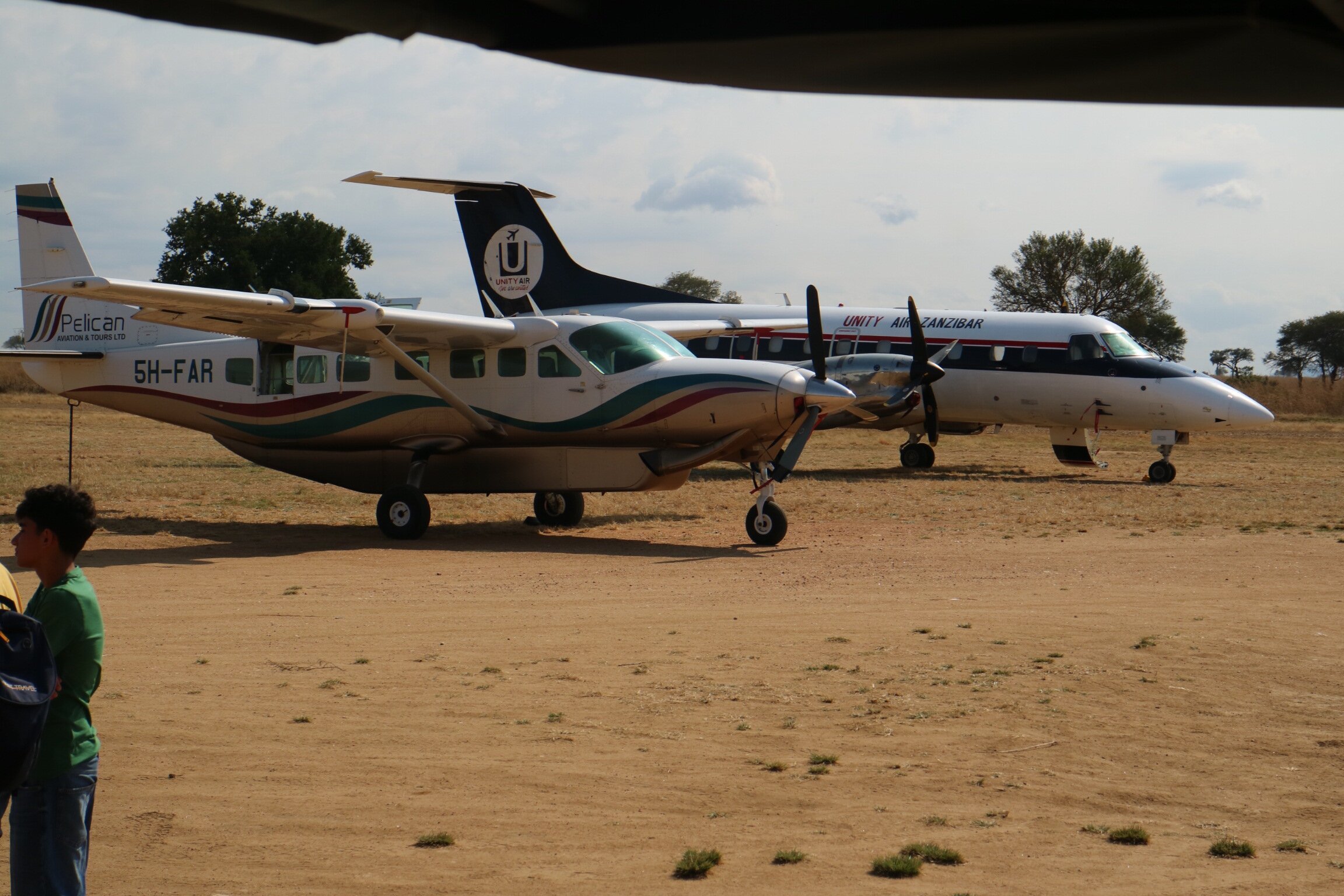
Kikoboga Airstrip and Fly-In Access to Mikumi
Kikoboga is the only airstrip serving Mikumi National Park. It carries the ICAO code HTMK, sits inside the park near headquarters, and is operated by the Tanzania National Parks Authority.
It handles light aircraft only. There are no jet services, no terminal in any meaningful sense, and no scheduled commercial airline in the way you would recognise from an international airport.
Because the strip sits inside the park boundary, arriving by air means you are already in Mikumi when you land. Transfers to the central camps near headquarters are short, and the hippo pools are only around five kilometres away.
Vuma Hills, out in the southwestern hills, involves a longer transfer from the strip than the central properties do.
Flying into Mikumi from Dar es Salaam saves less time than people expect once you add check in, routing stops and transfers at both ends. Where it genuinely earns its money is the onward leg to Ruaha, which is around six hours of driving otherwise.
Airlines Operating Fly-In Safaris to Mikumi
Safari Air Link runs the scheduled service into Kikoboga and is the operator named most consistently for this route. It connects Mikumi with Dar es Salaam, Zanzibar, Nyerere National Park and Ruaha, which makes it the backbone of southern circuit air travel.
Charter operators including Coastal Aviation and Auric Air also serve the strip, and charters are usually booked by tour operators as part of a package rather than by travellers directly.
Charter flights from northern circuit parks are possible but rarely sensible, since Mikumi sits about 795 kilometres south of Arusha and the two circuits work better as separate trips.
Schedules on light aircraft routes change with demand and season. Confirm through your operator rather than assuming a published timetable holds.
How a Mikumi Fly-In Safari Actually Runs
The sequence is straightforward once you know it. You are collected from your hotel in Dar es Salaam or from Julius Nyerere International Airport and taken to the light aircraft terminal, which is separate from the main international one.
Check in is quick and informal by international standards. Aircraft are typically small, seating somewhere between five and a dozen passengers, and the pilot may weigh both you and your bag.
Flights often route via other strips rather than flying direct, which is why the published flight time varies. Sitting on the ground at an intermediate strip for ten minutes while passengers change over is normal.
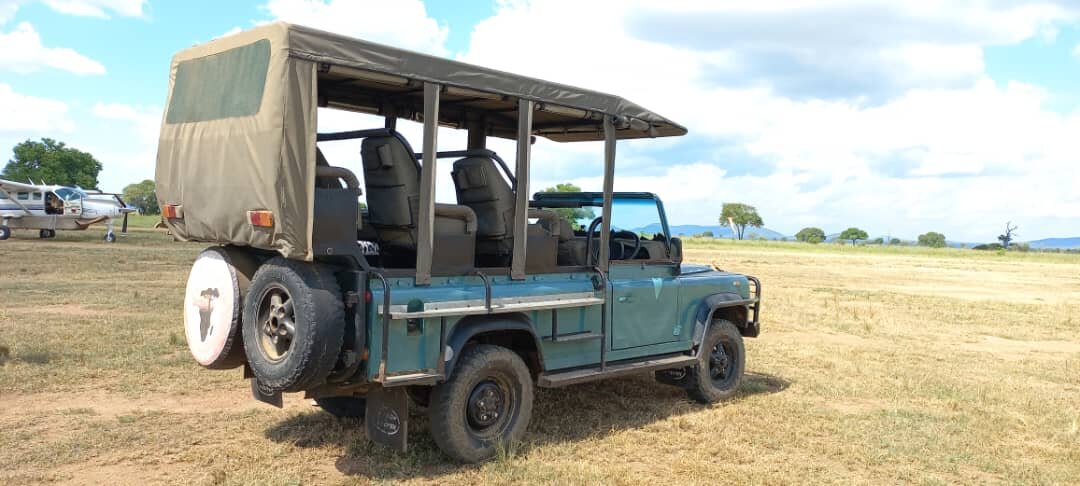
On landing at Kikoboga, a camp vehicle meets the aircraft. Park fees are settled through your operator or camp rather than at a road gate, since you have bypassed the main entrance entirely.
Luggage Limits on a Mikumi Fly-In Safari
Light aircraft on Tanzanian safari routes apply strict baggage limits, typically around 15 kilograms per person, and they are enforced rather than waved through.
Soft sided bags are required. Hard suitcases are difficult to load into the narrow holds of these aircraft and may be refused. A duffel or soft holdall is the standard choice.
Camera gear counts toward your allowance, which catches out photographers carrying long lenses. Some operators allow camera equipment as hand baggage within limits, so ask about it directly rather than assuming.
Confirm the exact allowance with your operator before you pack, since it varies by aircraft and route. Excess baggage can sometimes be stored in Dar es Salaam and collected on return.
Fifteen kilograms in a soft bag is the fly-in rule across Tanzania. Anyone who has watched a pilot decline a hard suitcase on a hot airstrip does not argue with it twice.
Combining Mikumi With Nyerere and Ruaha on a Fly-In Circuit
This is where a fly-in safari makes the strongest case. Mikumi, Nyerere National Park and Ruaha sit on the same air network, and the flying legs replace some genuinely long drives.
Ruaha lies roughly 320 kilometres from Mikumi, about six hours by road on the A7. As a flight it is a fraction of that. Nyerere borders Mikumi to the south and is around two hours away by road, so the air leg saves less there.
Zanzibar connects directly, which makes a short Mikumi safari a workable add-on to a beach trip without the ferry and highway combination that road travel would require.
A common shape is a beach or city start, a short Mikumi stay, then onward to Ruaha or Nyerere for the wilder half of the trip, flying every leg.
Fly-In Versus Driving to Mikumi From Dar es Salaam
For the Dar es Salaam leg alone, driving usually wins on value. The road is surfaced the whole way, runs 283 to 300 kilometres via Morogoro, and takes four to five hours in a private vehicle. Flying costs several times a road transfer.
Driving also gives you the same vehicle for the transfer and for game drives, which removes a handover, and it puts no limit on your luggage.
Flying wins on time and on comfort for anyone who dislikes long road transfers, and it removes the risk of arriving after the gates close at six in the evening. It also spares you the highway itself, which is the main safety risk of a Mikumi trip.
The standard gauge railway offers a middle option, running Dar es Salaam to Morogoro quickly before a two hour road leg to the park.
Fly-in: roughly one hour to ninety minutes from Dar es Salaam, lands inside the park, no gate queue, strict 15 kilogram soft bag limit, several times the cost of driving.
Road transfer: four to five hours on surfaced highway via Morogoro, no luggage limit, same vehicle for transfer and drives, and much better value.
Rail and road: standard gauge railway to Morogoro then around two hours by vehicle. Removes the worst of the traffic and needs arranging in advance.
Where to Stay on a Mikumi Fly-In Safari
Camps inside the park make the most sense when flying, since lodges outside the boundary add a drive at both ends of a stay that may only be a night or two.
Mikumi Wildlife Camp near park headquarters is closest to the airstrip, with twelve rooms across six bandas overlooking its own waterhole, starting around US$135 per person. Stanley’s Kopje sits on a rocky kopje above the Mwanamboga waterhole with twelve tents, though it closes through the wettest months. Vuma Hills has sixteen tents in the southwestern hills and stays open year round.
All three are unfenced. None is luxury in the international sense, and Mikumi has no properties in the class found in the Serengeti or the private concessions of Nyerere.
With fewer than fifty rooms inside the park across three camps, dry season availability is genuinely tight.
Getting to Mikumi by Air and What Happens on Arrival
Kikoboga sits at around 529 metres above sea level near park headquarters, and camp vehicles meet incoming aircraft by arrangement rather than waiting on spec, so your transfer needs booking with your accommodation.
Park fees still apply and are handled through your operator. Entry runs 24 hours from when it starts, and because you are staying inside the park that clock keeps covering you overnight.
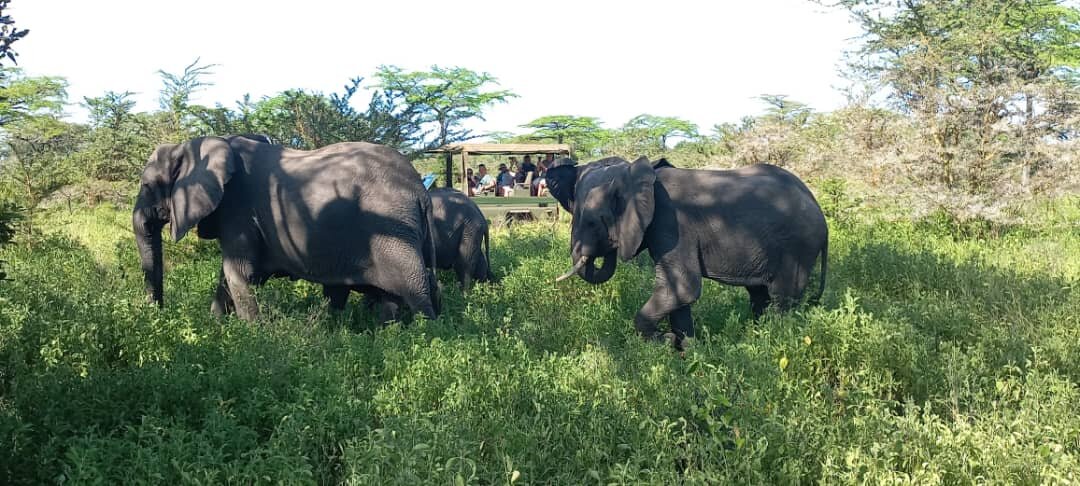
Game drives run in camp vehicles, which removes the vehicle question entirely for fly-in guests. Walking safaris and night game drives can be arranged through the camp and need advance booking.
Questions About Fly-In Safaris to Mikumi
How much does a fly-in safari to Mikumi cost?
Scheduled flights to Kikoboga cost several times a road transfer from Dar es Salaam, and charters more again. Park entry is charged separately at around US$30 per adult foreign non-resident per day. In-park camps run from about US$135 per person at Mikumi Wildlife Camp to US$350 to US$500 at Stanley’s Kopje, with Vuma Hills from around US$150 per person full board. Fly-in packages are usually quoted as a whole rather than itemised.
Which airline flies to Mikumi?
Safari Air Link runs the scheduled service into Kikoboga airstrip, connecting Mikumi with Dar es Salaam, Zanzibar, Nyerere National Park and Ruaha. Charter operators including Coastal Aviation and Auric Air also serve the strip, usually booked through tour operators as part of a package.
How long is the flight from Dar es Salaam to Mikumi?
Roughly one hour to ninety minutes depending on routing and how many intermediate strips the aircraft serves. That compares with four to five hours by road on surfaced highway via Morogoro. Some sources quote around 45 to 60 minutes for a direct leg.
What is the luggage limit for flying into Mikumi?
Typically around 15 kilograms per person in soft sided bags. Hard suitcases are difficult to load and may be refused. Camera equipment usually counts toward the allowance, so ask your operator directly. Confirm the exact figure before packing, since it varies by aircraft and route.
Is flying to Mikumi worth it?
For the Dar es Salaam leg alone, rarely, since the road is surfaced the whole way and driving costs a fraction as much. Flying earns its keep on the onward legs, particularly Mikumi to Ruaha, which is around six hours by road, and on connections from Zanzibar where there is no road route at all.
Do I still pay park fees on a fly-in safari?
Yes. Park entry applies regardless of how you arrive and is settled through your operator or camp rather than at a road gate. Entry runs 24 hours from when it starts, and staying inside the park means that period keeps covering you overnight rather than expiring.
Booking Your Mikumi Trip
The safari companies and tour operators listed on this website put trips like this together for a living and know which camps, guides and routes actually deliver. We are an independent guide to Mikumi; we do not book or sell tours ourselves.
When you are ready, arrange your safari, tour or holiday with one of the recognised operators listed here. Tell them your dates and what matters most, and a real person, not a form, will handle the itinerary, park bookings and logistics for you.