What Photography Tips Improve a Mikumi Safari?
The photography that separates a good Mikumi safari from an average one comes down to four habits: shoot in the first and last two hours of daylight, use the Uluguru and Rubeho mountains as a backdrop rather than cropping them out, sit at waterholes rather than driving past them, and protect your gear from dust. Mikumi sits in a basin in Tanzania’s Morogoro region, which gives it something most open plains parks lack. Park gates open at first light and close at six.
Below are the tips that matter here, keyed to how this particular park behaves.
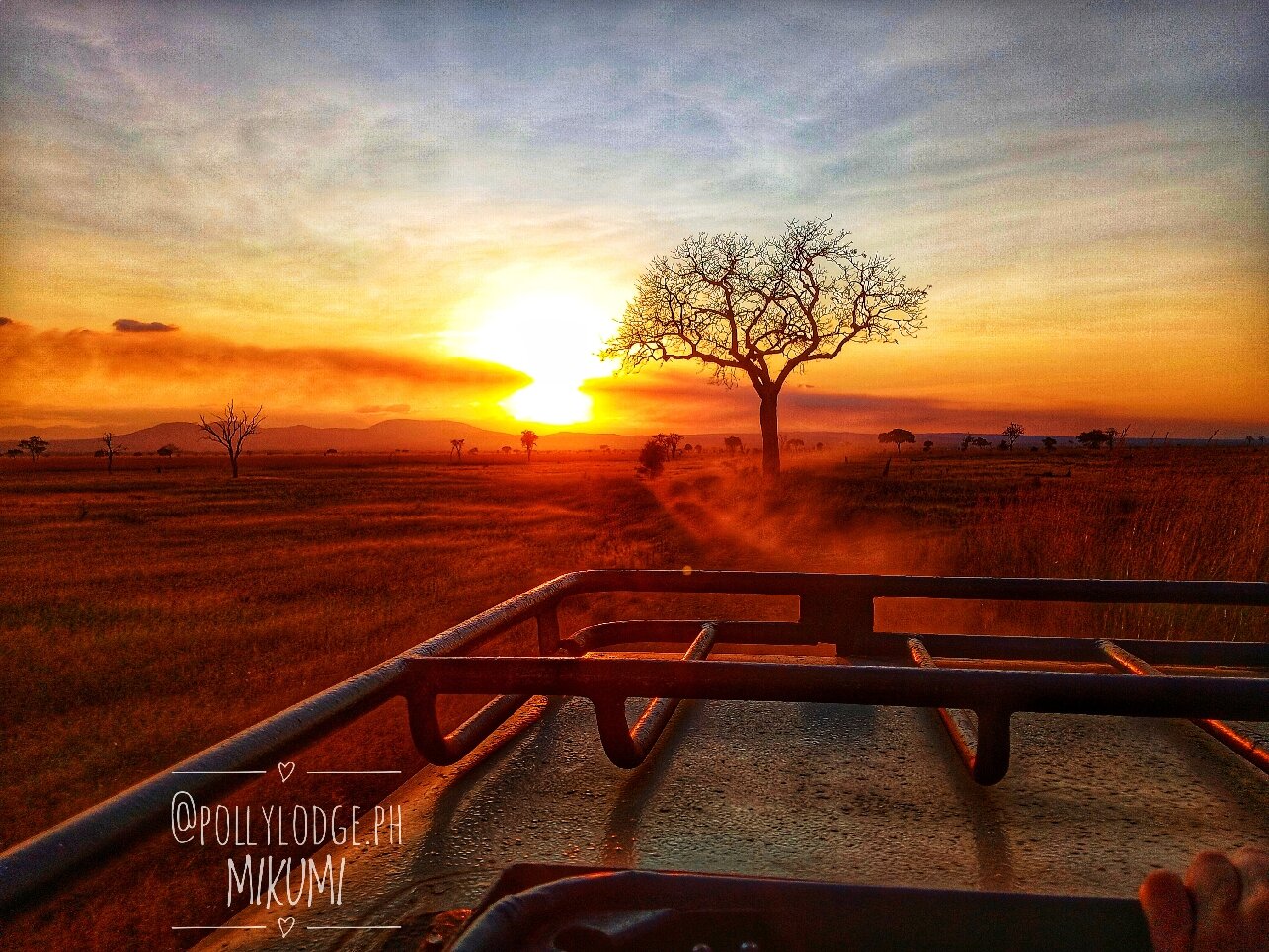
Shooting the Golden Hours on a Mikumi Photography Safari
Mikumi is at its best in the early morning and late afternoon, when low light rakes across the Mkata Floodplain and the wildlife is most active. That is not a general platitude here; it is the difference between usable frames and flat ones.
Gates open at first light, and the first two hours are the most productive of the day. Predators are still moving, the air is clear before dust builds, and the mountains hold their definition.
Midday on an open floodplain with no shade is harsh, high contrast and unflattering. Use it for the hippo pools, where the animals are actually most active in the middle of the day, or for a break.
Afternoons pick up from about four as temperatures drop and colour returns. Gates close at six, which caps the evening earlier than the light does.
A day trip from Dar es Salaam arrives late morning and leaves mid afternoon, missing both good light windows entirely. If photography is the point of the trip, one night in or beside the park is not optional.
Using the Uluguru and Rubeho Mountains in Your Frames
This is the single tip most visitors ignore and the one that most improves a Mikumi portfolio.
The park sits in a basin ringed by Eastern Arc mountains. The Uluguru range rises to about 2,630 metres northeast, and the Rubeho plateau tops 2,286 metres to the west. On most open plains parks you are working with grass and sky alone. Here you get a third element.
Morning light works toward the Ulugurus. Evening light works toward the Rubehos, since the sun sets behind them and gives you animals lit from the front against a darkening plateau, with silhouette work available in the last twenty minutes.
Place a giraffe or a line of buffalo small in the frame against the ridge. It tells more about where you are than any tight portrait does.
Shoot early before haze builds. By ten in the morning in the late dry season the ridge often flattens into a grey band.
Lens Choice for a Mikumi Safari
Something in the 100 to 400 range covers most of what Mikumi offers, since animals on the floodplain are frequently at middle distance rather than close. A 400 or 500 helps for birds and for lion on distant termite mounds.
The unusual advice for this park is to bring something wide and actually use it. Because of the mountain backdrop, a 24 to 70 earns its place here more than it would in a forest park. Most people come with two long lenses and go home wishing they had shot wider.
A polariser is worth having for the hippo pools and the waterholes, where it cuts glare off the surface and brings back reflections and detail in the shallows.
Change lenses as little as possible. Dust on the tracks is relentless and a sensor cleaning on the road is not an option.
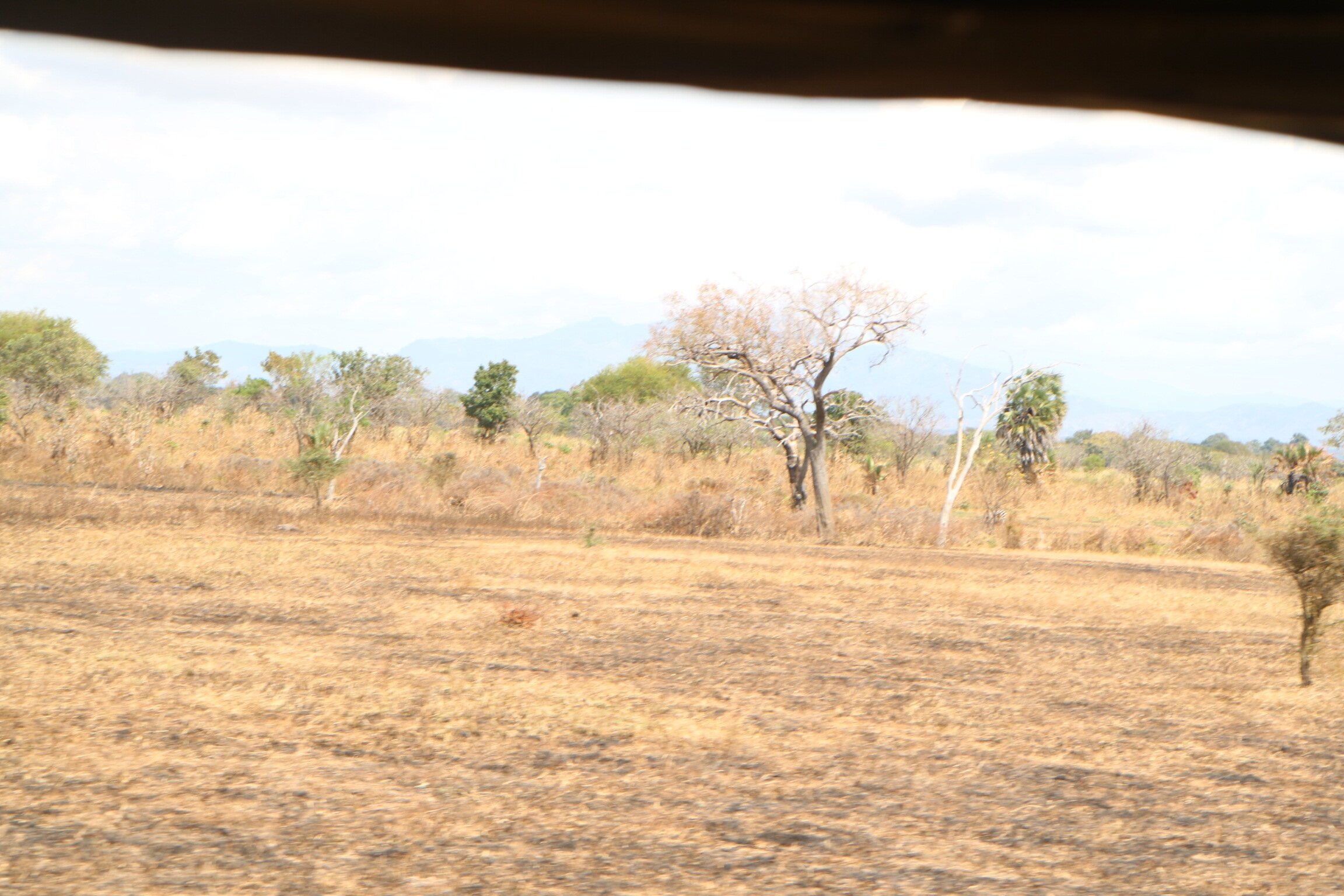
Shooting From a Safari Vehicle in Mikumi
A bean bag beats a tripod every time in a vehicle. Rest it on the window ledge or the roof hatch frame and it kills the vibration that ruins long lens frames at low shutter speeds.
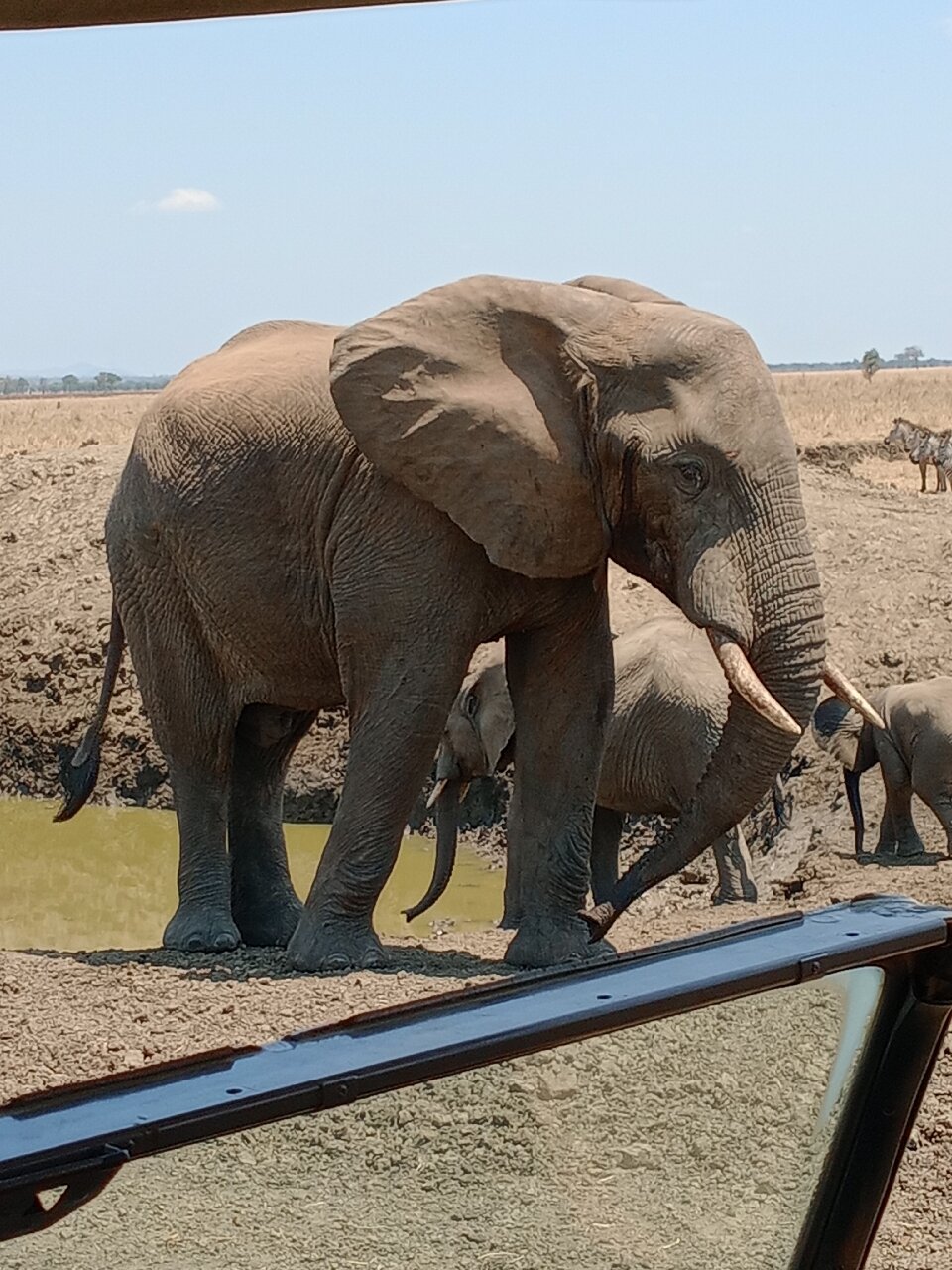
Shoot as low as the vehicle allows. Waterhole images improve enormously when the camera drops toward the animal’s eye line rather than looking down from a raised seat, so use the lowest window you can rather than standing through the roof out of habit.
Ask the driver to cut the engine at sightings. Engine vibration is the invisible cause of a lot of soft images, and a quiet vehicle also brings animals back that had moved off.
Pop top vehicles give shade, dust protection and a solid rest. Open sided vehicles give better angles and nothing else, and they are cold at dawn.
The most useful instruction on a Mikumi drive is not a lens setting. It is asking your guide to switch off and wait, and then not asking him to move for forty minutes.
Photographing Waterholes and the Mikumi Hippo Pools
Waterholes reward patience more than any other subject in this park. Park, cut the engine, and give a pool thirty or forty minutes. Animals that faded away when you arrived come back once the noise stops, and the interesting behaviour usually starts after the first ten minutes.
Wait for behaviour rather than portraits. Elephant spraying mud across their backs, buffalo shouldering in at the edge, a saddle-billed stork striking. Those are the frames that survive a cull.
At the hippo pools five kilometres north of the main gate, you can leave the vehicle at a designated viewing area, which is uncommon in Tanzanian parks and gives you angles a car cannot. Stay inside the marked zone and follow ranger instructions.
Hippo are in the water through the middle of the day and out grazing at night, so plan the pools between ten and two, harsh light or not.
Bird Photography on a Mikumi Safari
More than 400 bird species have been recorded, and several are cooperative subjects. The lilac-breasted roller perches on low acacia along the tracks and shows that blue and lilac when it drops. Secretary bird stalk the grass on long legs. Bateleur eagle quarter overhead with a distinctive tailless silhouette.
At the water, open-billed storks gather around the hippo in flocks, and the combination of storks working the mud that hippo churn up is one of the defining images of this park.
Malachite kingfisher sit further out on reed stems than they look and need real reach. Ground hornbill on the woodland fringe and Boehm’s bee-eater in the miombo are worth the drive toward the Vuma Hills.
From November to April, migrants push numbers up and the green background is far kinder to bird photography than dry season brown.
Protecting Camera Gear From Dust and Heat
Dust is the defining practical problem of a Mikumi safari, more than rain and more than heat. Graded tracks throw it up constantly and it gets into everything.
Carry a blower brush and lens cloths. Keep bodies in a closed bag between sightings rather than loose on a seat. A dry bag or a couple of large ziplock bags cost nothing and make a visible difference by the second afternoon.
Several camps run on solar power and guests are asked to conserve electricity, so charging is limited and shared. Bring more batteries and memory cards than you think you need, plus a portable battery pack.
Heat matters too. Do not leave a camera on a black vinyl seat in direct sun on an open floodplain at midday.
Best Season for a Mikumi Photography Safari
September and October give the strongest wildlife photography, with the shortest grass of the year, animals concentrated at the last remaining water and lion visible on termite mounds. The trade is dust haze that softens the mountain backdrop by mid morning.
August is the photographer’s compromise. Conditions are firmly dry, herds are gathering, and the air is clearer than it will be six weeks later, so the Uluguru and Rubeho ridges hold their outline for longer.
From November to April the plain is green, which is a far more attractive background than dry season brown, and migrant birds arrive. Mammals are scattered and grass is high, so it favours scenery and bird work over big game.
September and October: peak wildlife photography. Short grass, concentrated herds, predators visible. Dust haze softens the mountains by mid morning.
June to August: clearest air of the dry season and the sharpest mountain backdrops, with good and improving game. Cold at first light in an open vehicle.
November to April: green backgrounds, dramatic cloud over the ranges, migrant birds. Mammals dispersed and grass high, so it suits birds and wide work.
Getting to Mikumi With Camera Gear
The road from Dar es Salaam runs roughly 283 to 300 kilometres via Morogoro, four to five hours on surfaced highway, with no luggage limit. That is the simplest option for anyone carrying heavy glass.
Flying into Kikoboga airstrip inside the park changes things. Light aircraft on Tanzanian safari routes typically cap baggage around 15 kilograms per person in soft sided bags, and camera equipment usually counts toward that. Ask your operator directly rather than assuming.
Do not photograph from the highway or stop on the carriageway. It is dangerous on a road carrying freight and it teaches animals to associate vehicles with food.
Questions About Photography in Mikumi
What lens should I bring to Mikumi?
A 100 to 400 covers most situations, with a longer lens helping for birds and distant lion. Unusually for a plains park, bring something wide as well, since the Uluguru and Rubeho mountains give almost every frame a backdrop worth including. A polariser helps at the waterholes and hippo pools.
What are the best hours for photography in Mikumi?
The first two hours after the gates open at first light, and from about four in the afternoon until the gates close at six. Midday is harsh on the open floodplain, but it is the best time for hippo, which stay in the water through the middle of the day.
Is there a photography fee in Mikumi?
Not for ordinary personal photography. Standard park entry applies, currently around US$30 per adult foreign non-resident per day plus roughly US$40 per day for a six to twelve seat safari vehicle. Commercial filming is handled separately through TANAPA and needs arranging in advance.
Can I get out of the vehicle to take photographs?
Only at designated areas, principally the hippo pools viewing area and marked picnic sites, or on a guided walking safari with an armed ranger. Elsewhere on the circuit you shoot from the vehicle. Walking safaris cost about US$20 for one to four hours and US$25 for longer.
Which month is best for photography in Mikumi?
September and October for wildlife, when grass is shortest and herds concentrate. August for the clearest air and sharpest mountain backdrops with good game. November to April for green backgrounds and migrant birds, with mammals harder to find in the tall grass.
Can I charge camera batteries in Mikumi camps?
Yes, but capacity is limited. Several camps run on solar power and ask guests to conserve electricity, so charging points are shared and not always available on demand. Bring spare batteries, extra memory cards and a portable battery pack.
Booking Your Mikumi Trip
The safari companies and tour operators listed on this website put trips like this together for a living and know which camps, guides and routes actually deliver. We are an independent guide to Mikumi; we do not book or sell tours ourselves.
When you are ready, arrange your safari, tour or holiday with one of the recognised operators listed here. Tell them your dates and what matters most, and a real person, not a form, will handle the itinerary, park bookings and logistics for you.