How Safe Is Mikumi for Visitors?
Mikumi National Park is a safe destination for a guided Mikumi safari, with the main risks being road traffic on the Tanzam highway rather than wildlife or crime. Park rules keep visitors in vehicles except at designated areas, walking safaris and night drives run with armed rangers, and malaria prophylaxis is standard advice for the region. Mikumi sits in Tanzania’s Morogoro region, four to five hours from Dar es Salaam, and is the country’s most visited national park by domestic travellers.
Below is an honest breakdown of each risk, in rough order of how likely it is to affect you.
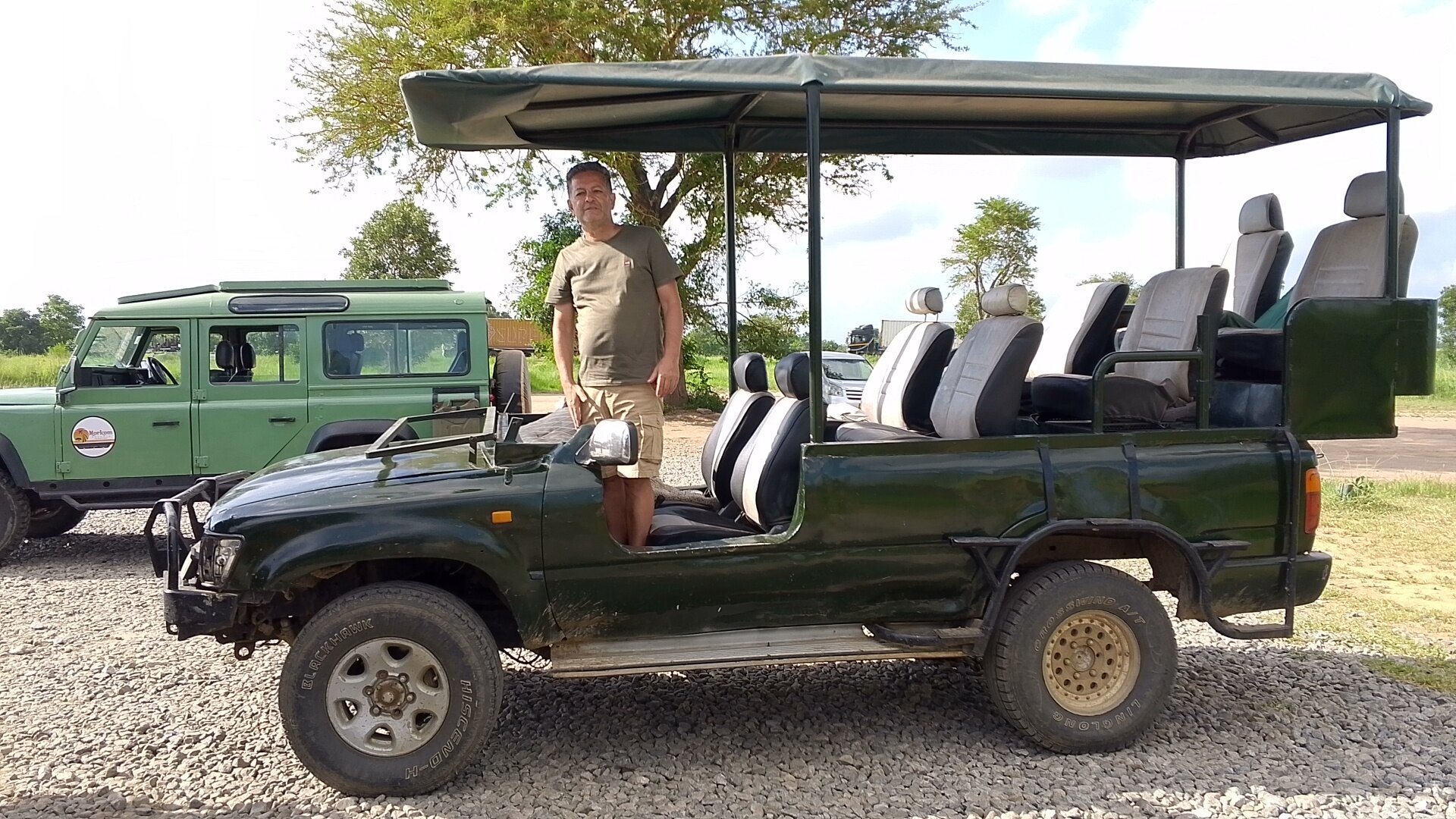
How Safe a Mikumi Safari Is Overall
Mikumi is a well established park managed by the Tanzania National Parks Authority, with rangers based at headquarters near Kikoboga and a set of rules that exist for good reasons.
Visitors on organised trips very rarely run into trouble. Guides are licensed, vehicles are checked at the gate, gate hours are enforced and the areas where you may leave the vehicle are clearly marked.
The genuine risks in order of likelihood are: a road accident on the highway, a stomach upset, sunburn or dehydration, malaria, and a long way behind those, a wildlife incident caused by somebody ignoring instructions.
None of that makes Mikumi unusually risky. It makes it a normal African safari destination where the sensible precautions are worth taking.
The most dangerous part of a Mikumi trip is almost certainly the drive to it. Four to five hours on a busy trunk road carrying long distance freight is a bigger statistical risk than anything with teeth inside the park.
Road Safety on the Highway Through Mikumi
Mikumi is the only protected area in Tanzania crossed by a national trunk road, and the A7 carries heavy freight traffic between Dar es Salaam and Zambia.
Animals on the tarmac are a real hazard. Between 1973 and 1988, 456 large mammals were recorded killed on the corridor, including 135 buffalo, 17 elephant, 17 giraffe and three hippo. Current estimates put mortality above 360 animals a year. Hitting a buffalo at highway speed damages vehicles and injures people.
Eleven speed bumps have been installed along the park section to slow traffic. Hold a low speed throughout rather than accelerating between them, and take particular care at dawn, dusk and after dark, when animals move most and visibility is poorest.
Do not stop on the carriageway to photograph animals. It is unsafe on a road with trucks and it teaches wildlife to associate vehicles with food.
Wildlife Safety on a Mikumi Game Drive
Inside the park the rule is simple: stay in the vehicle unless you are at a designated area or on a formal walking safari with an armed ranger.
Vehicles work as a safe observation platform because animals read them as a single large object rather than as a collection of people. Standing up through a pop top roof is fine. Hanging out of a window or getting out to get a better angle breaks that illusion.
Keep noise down at sightings. Elephant cows with calves need plenty of room, and a vehicle should never sit between a herd and the water it is heading toward.
Lion in Mikumi are seen regularly and pose no threat to people in vehicles. Leopard are present but rare. Guides read animal behaviour constantly and will reposition without being asked.
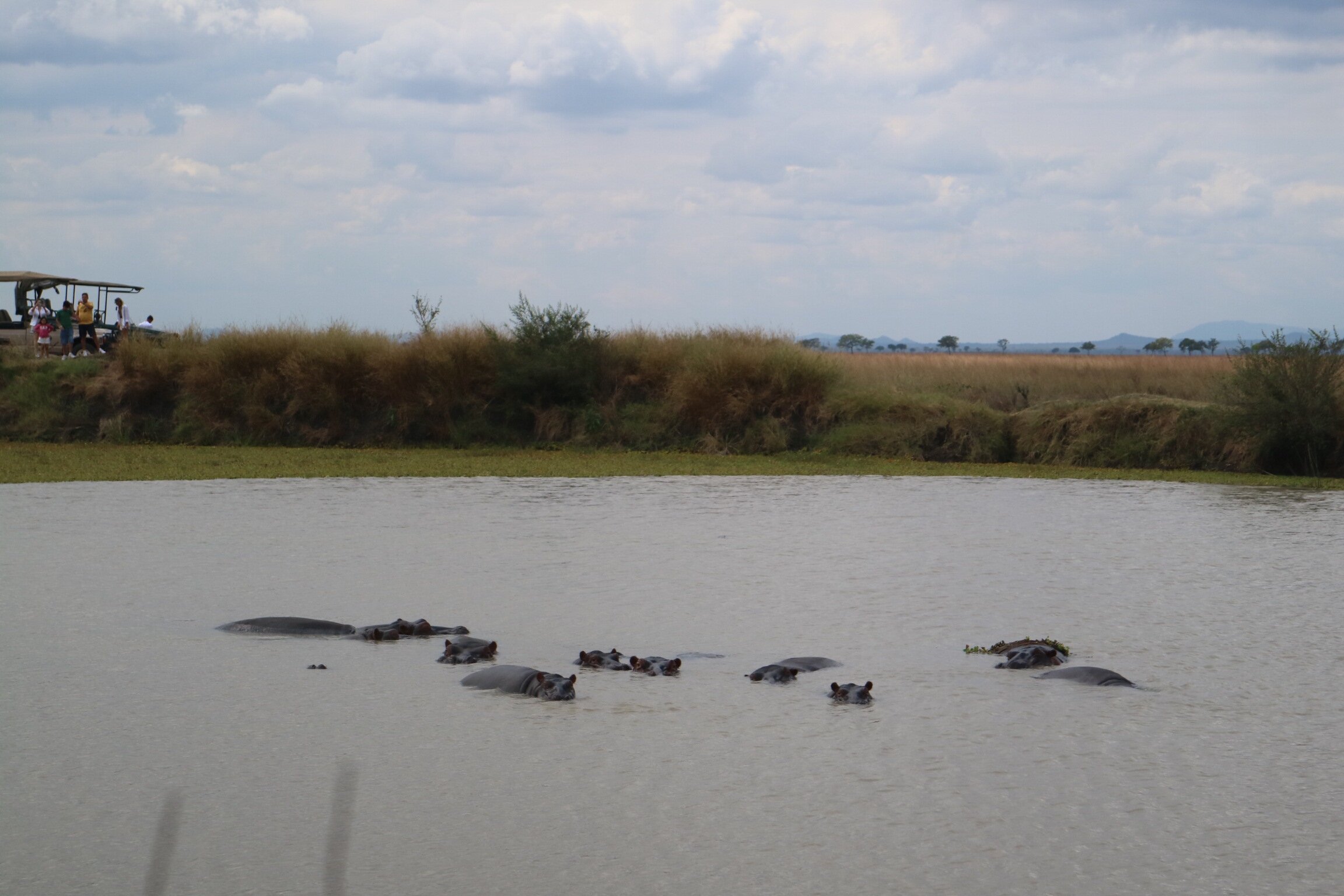
Hippo Safety at the Mikumi Hippo Pools
The hippo pools north of the main gate are one of the few places in Mikumi where visitors may leave the vehicle, and they are also where the most care is needed.
Hippo kill more people across Africa each year than most predators do, almost always because somebody ended up between an animal and its water. The viewing area is set back deliberately, on ground the hippo do not use.
Stay inside the marked zone. Do not walk along the bank looking for a better angle, do not position yourself between the pool and open grassland, and keep noise down, because a startled hippo moves fast for something that size.
Rangers on site enforce this, and they are right to. Nile crocodile share the same water.
Nearly every wildlife incident on a safari anywhere traces back to somebody leaving a vehicle where they should not have, or standing between an animal and where it wanted to go.
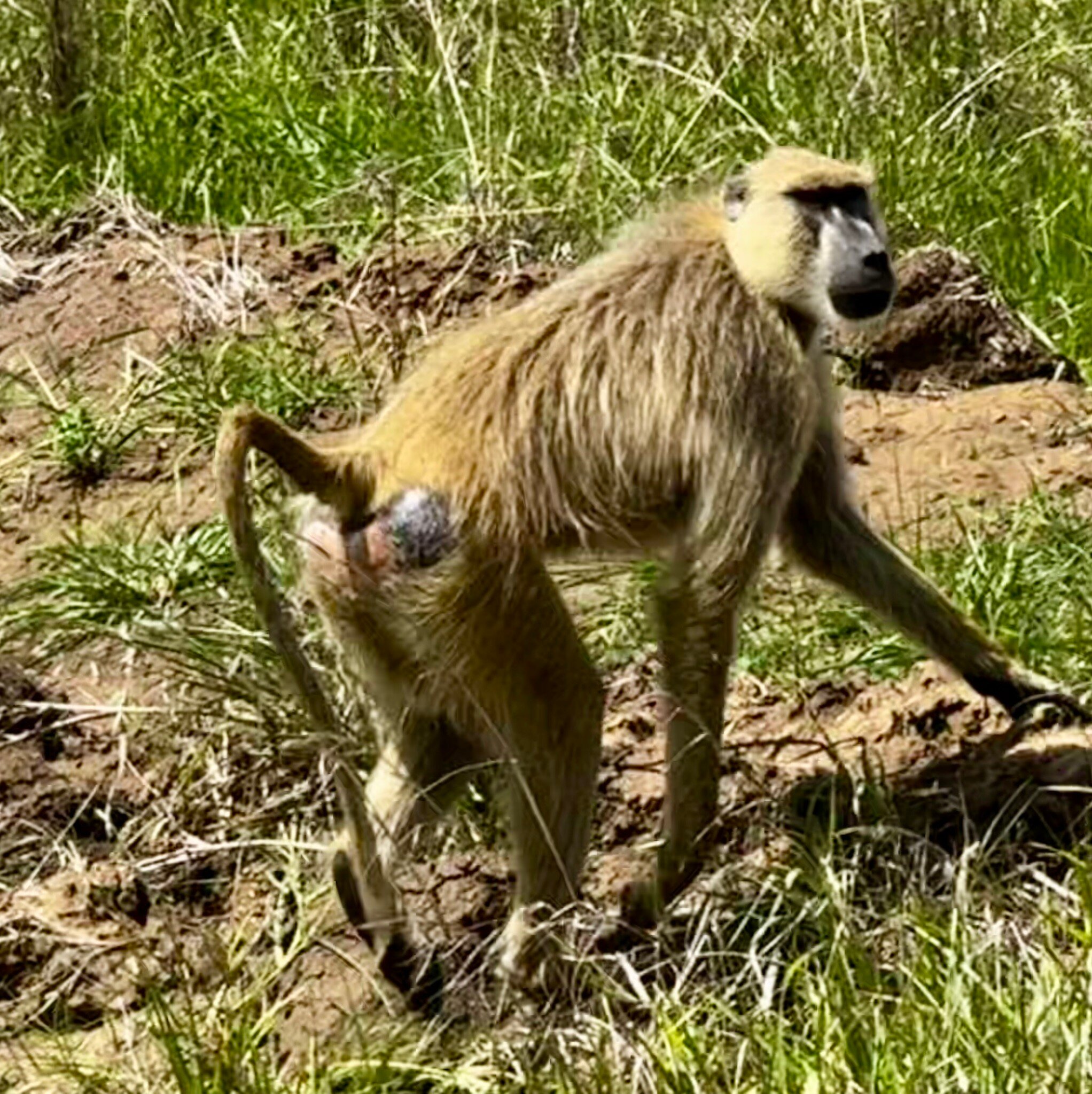
Baboons and Food Safety in Mikumi Camps
Yellow baboons are the most likely animal to cause you actual trouble in Mikumi, and it will be over food rather than anything dramatic.
Troops around the picnic areas, camps and park headquarters will take food from a table or through an open vehicle window without hesitation. They are strong, quick and entirely unbothered by shouting.
Never feed them. Keep vehicle windows closed when parked at the picnic sites, keep bags zipped, and do not hold food in the open. Habituated baboons also spend more time near the road, which is part of why they feature heavily in road mortality figures.
Vervet monkeys do the same on a smaller scale.
Staying in Unfenced Camps on a Mikumi Safari
Camps inside Mikumi are unfenced, which means wildlife moves through at night. Vuma Hills, Stanley’s Kopje and Mikumi Wildlife Camp all operate this way, as do the TANAPA campsites.
The standard protocol applies. Do not walk between tents alone after dark; camps escort guests to and from dinner for exactly this reason. Carry a torch or headlamp, since paths are unlit. Keep tent zips closed, including the bathroom side, and do not keep food in your tent.
This is normal practice across African safari camps and it works. Incidents are rare, and almost all of them involve someone walking around unescorted at night.
Families with young children may prefer lodges outside the boundary near Mikumi town, where the grounds are enclosed.
Walking Safaris and Night Drives With Armed Rangers
Mikumi is one of the few southern circuit parks where guided walking is permitted, and every walk goes out with an armed ranger. Walks last around three to four hours, usually in the early morning near the Mkata River corridor or the hippo pools, and they focus on tracks, dung and feeding sign rather than moving in on large animals.
Rangers keep a wide margin from elephant, buffalo and hippo deliberately. Walk in single file, stay quiet, and do exactly what the ranger says without discussion.
Night game drives run roughly eight until eleven in the evening, also with an armed ranger, and require a vehicle fitted for the purpose. Both activities need advance booking.
The armed escort is a legal requirement rather than theatre.
Health, Malaria and Medical Care Near Mikumi
Mikumi is a malaria area and prophylaxis is standard advice for Tanzania. Discuss it with a doctor or travel clinic several weeks before you travel rather than at the airport. Mosquito nets are provided at most camps, and long sleeves and trousers in the evening do more than any spray.
Recommended vaccinations for Tanzania typically include yellow fever, tetanus, typhoid, polio and hepatitis, and a yellow fever certificate may be requested depending on where you are arriving from.
Bring your own small medical kit: personal medication, painkillers, antihistamine, plasters, rehydration salts and something for an upset stomach. The nearest proper medical facilities are in Morogoro, roughly two hours away.
Heat and dehydration catch people out on the open floodplain, where there is no shade at all. Drink more water than you feel like and wear sunscreen in every month.
Crime, Money and Personal Safety Around Mikumi
Mikumi is not a high crime destination and visitors on organised trips report very few problems. Normal travel sense applies: keep valuables out of sight, use the safe if your camp has one, and take particular care with bags in Dar es Salaam rather than in the park.
Park fees are paid by Visa or Mastercard at the main gate or through the TANAPA portal, and cash is not accepted for them. That reduces how much money you need to carry. There are no ATMs inside the park, so bring shillings for tips and purchases before you arrive.
Tell your bank you are travelling. A declined card at the gate is a genuine problem with no easy fallback.
Driving Conditions and Self Drive Safety in Mikumi
The road from Dar es Salaam is surfaced the whole way and straightforward in daylight. Avoid driving the highway at night, which is where the serious road risk sits.
Inside the park, a high clearance vehicle handles most of the dry season circuit, while four wheel drive becomes necessary after rain when black cotton soil turns. In March and April some tracks are impassable. There is no recovery service waiting for you.
Gates close at six in the evening and late arrivals are turned away regardless of prepayment. Carry water, fuel up in Morogoro about 118 kilometres short of the park, and tell someone your route if you are travelling alone.
Questions About Safety in Mikumi
Is Mikumi National Park safe for tourists?
Yes, for anyone on a guided safari following park rules. Guides are licensed, gate hours are enforced, and areas where visitors may leave vehicles are marked. The main practical risks are road traffic on the Tanzam highway, sun and dehydration, and malaria rather than wildlife or crime.
Is it safe to get out of the vehicle in Mikumi?
Only at designated areas, principally the hippo pools viewing area and marked picnic sites, or on a formal walking safari with an armed ranger. Elsewhere on the circuit you stay in the car. At the hippo pools, remain inside the marked zone and do not walk along the bank.
Are the camps in Mikumi safe at night?
Camps inside the park are unfenced and wildlife moves through, which is normal for African safari camps and works well in practice. Staff escort guests between tents and the dining area after dark, and you should not walk around alone at night. Carry a torch and keep food out of your tent. Lodges outside the boundary near Mikumi town have enclosed grounds.
Do I need malaria tablets for Mikumi?
Prophylaxis is standard advice for Tanzania including Mikumi. Speak to a doctor or travel clinic several weeks ahead. Recommended vaccinations typically include yellow fever, tetanus, typhoid, polio and hepatitis. Mosquito nets are provided at most camps, and covering up in the evening helps considerably.
Is it safe to drive the highway through Mikumi?
It is the main risk of the trip. The A7 carries heavy freight and animals cross it regularly, with mortality estimated above 360 animals a year. Eleven speed bumps slow the park section. Hold a low speed throughout, take extra care at dawn, dusk and after dark, and avoid night driving where possible.
Are walking safaris in Mikumi dangerous?
They run with an armed ranger, which is a legal requirement, and rangers deliberately keep a wide margin from elephant, buffalo and hippo. Walks focus on tracks and small detail rather than moving in on large animals. Walk in single file, stay quiet and follow instructions. Charges run around US$20 for one to four hours and US$25 for longer, on top of park entry.
Booking Your Mikumi Trip
The safari companies and tour operators listed on this website put trips like this together for a living and know which camps, guides and routes actually deliver. We are an independent guide to Mikumi; we do not book or sell tours ourselves.
When you are ready, arrange your safari, tour or holiday with one of the recognised operators listed here. Tell them your dates and what matters most, and a real person, not a form, will handle the itinerary, park bookings and logistics for you.