Picnic in the Park in Mikumi National Park
A picnic safari in Mikumi National Park means taking a packed lunch to a designated picnic site rather than driving back to camp, and the main site sits at the hippo pools about five kilometres north of the main gate, with toilets, shade and a viewing area where visitors may leave the vehicle. It is what makes a full day drive practical, and it turns the least productive hours of the day into the best hours for hippo. Mikumi covers 3,230 square kilometres in Tanzania’s Morogoro region.
Below is how a picnic in the park works, where it happens, and the rules that keep it pleasant.
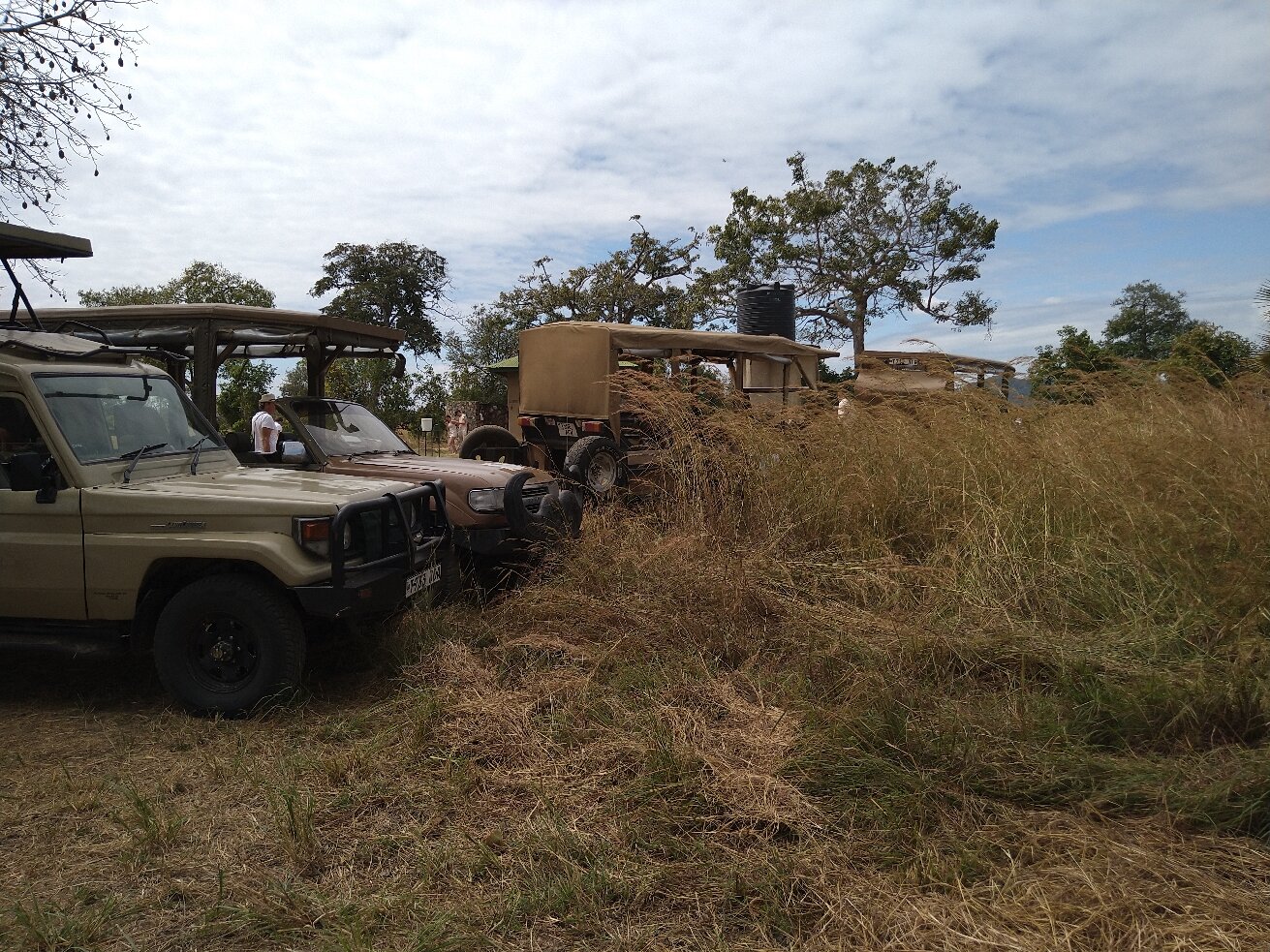
Why a Picnic Changes a Mikumi Safari Day
The standard pattern at most camps is a morning drive, a return for lunch, a rest, and an afternoon drive from four. That works, and it wastes the middle of the day twice over: once on the drive back and once on the drive out again.
A picnic removes both of those runs. You stay in the park through the middle hours, which is the only way to reach the far loops of the 60 kilometre circuit or push toward the miombo woodland in the southwest where sable antelope and greater kudu live.
It also puts you at the hippo pools at exactly the right time. Hippo graze on land at night and stay in the water through the middle of the day, so the hours a normal itinerary spends at camp are the hours the pools are busiest.
Picnicking is listed among the activities available in Mikumi alongside game viewing, walking safaris, birding, bush meals and photography.
Ask for a packed lunch when you book, not on the morning. Camp kitchens need notice, and a full day drive without food arranged means either turning back at midday or going hungry until the evening.
The Hippo Pools Picnic Site in Mikumi
The main picnic area sits at the hippo pools, which is the busiest and best equipped stop in the park.
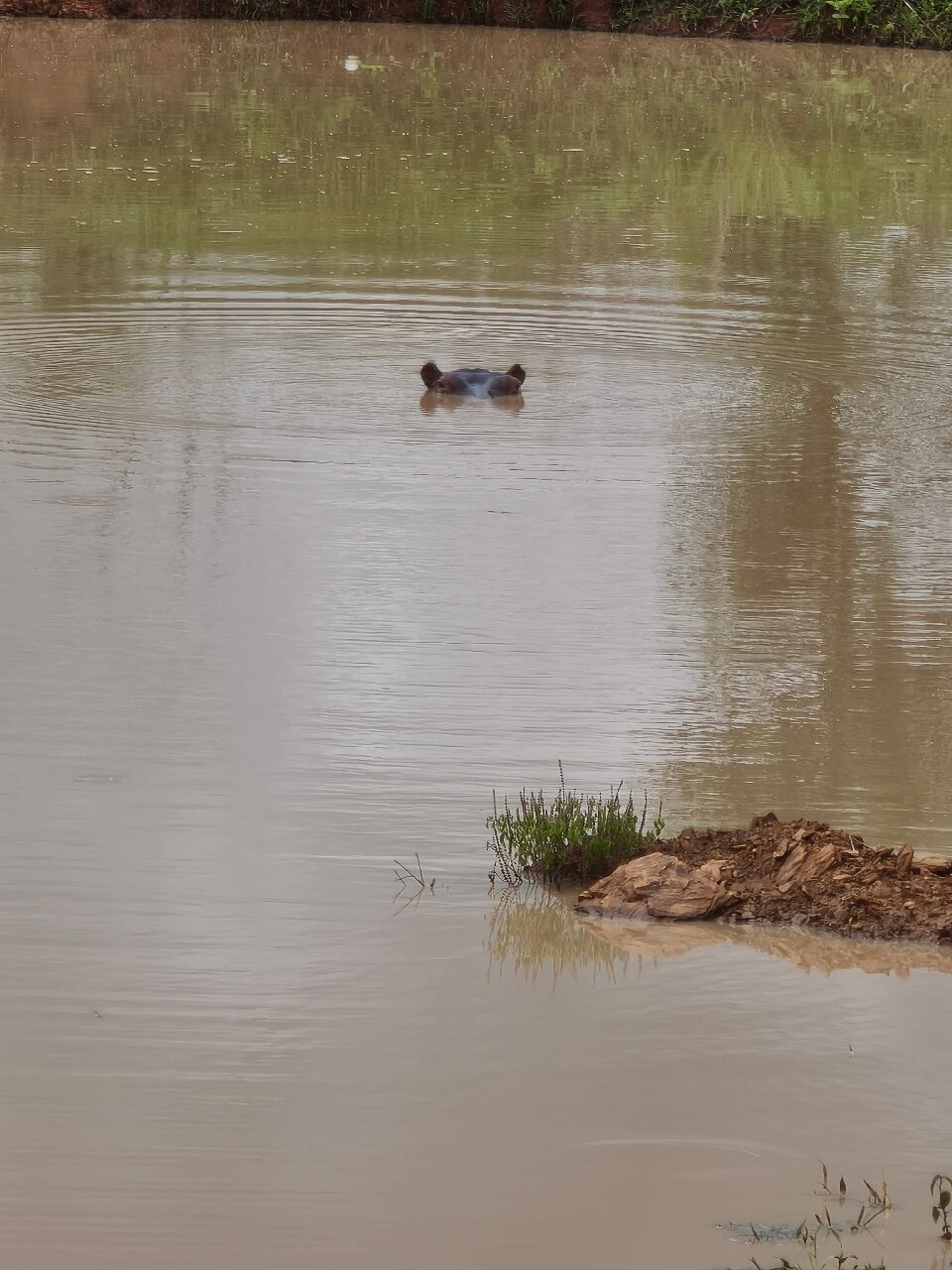
Two permanent pools hold hundreds of hippo along with Nile crocodile, and a designated viewing area lets visitors leave the vehicle, which is uncommon in Tanzania. Toilets and shade are provided, and the site sits close enough to the main gate that even a day trip from Dar es Salaam can use it.
Eating with hippo grunting a short distance away is the reason most people remember this stop. Open-billed storks gather around the animals in flocks, working the mud they churn up.
Stay inside the marked zone. The viewing area is set back deliberately, on ground the hippo do not use, and rangers on site enforce it.
Baboons and Food Safety at a Mikumi Picnic
This is the part that catches people out, and it is worth taking seriously.
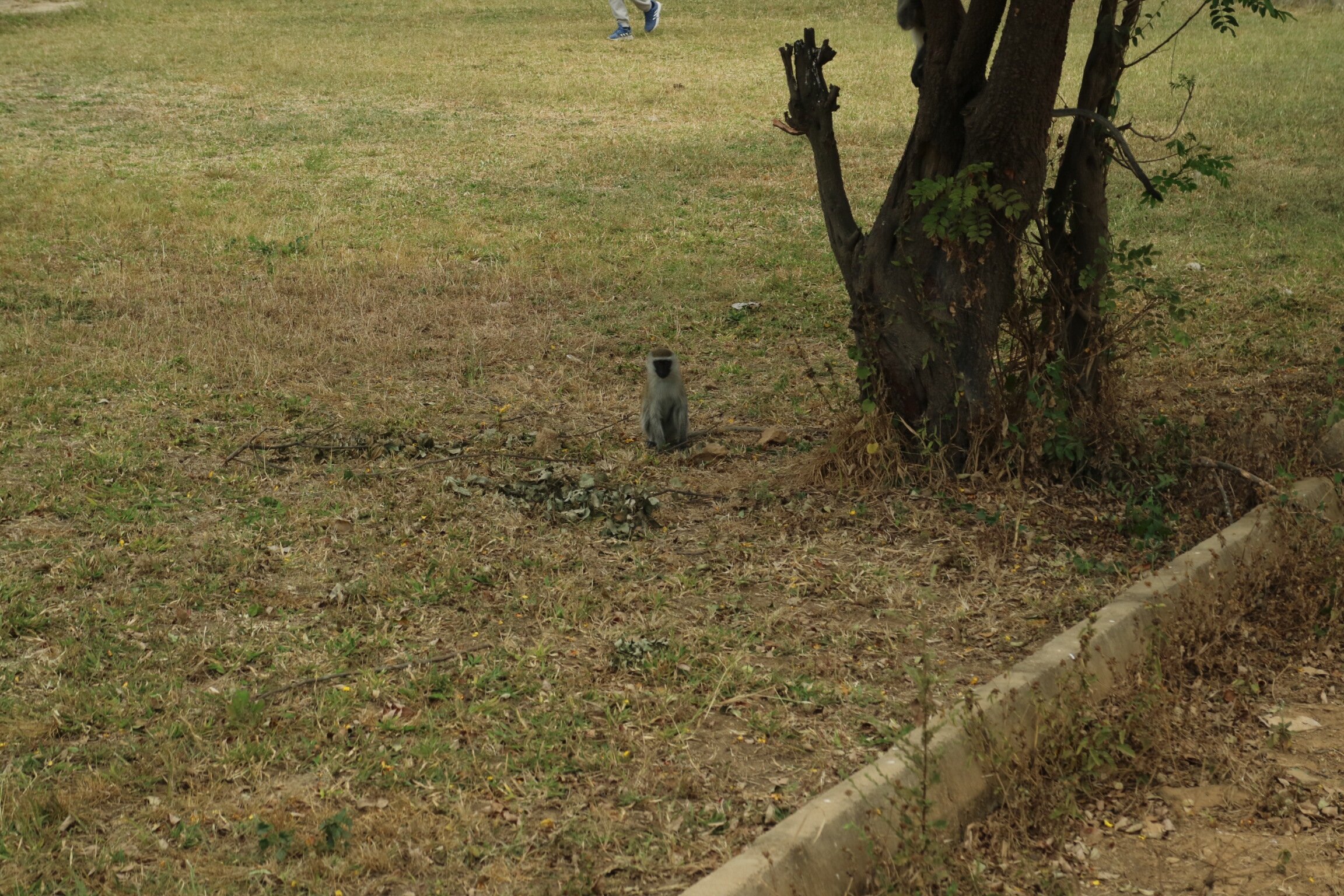
Yellow baboons are a permanent presence around the picnic areas and park headquarters, and troops have learnt exactly what a spread table means. They are strong, quick and entirely unbothered by shouting.
Keep vehicle windows closed when parked. Keep bags zipped. Do not put food down and walk away, and do not hold it loosely in the open. A baboon will take a sandwich from a hand without hesitating.
Never feed them, from a vehicle or a table. Habituated baboons spend more time near the road, and they feature heavily in the park’s wildlife road mortality figures for exactly that reason.
Vervet monkeys do the same on a smaller scale.
The rule at a Mikumi picnic site is simple: nothing edible is ever unattended, not for thirty seconds. Baboons here have been running this operation for decades and they are better at it than you are.
What a Picnic Lunch on a Mikumi Safari Includes
Camps prepare packed lunches to order and the contents vary. Expect something along the lines of a filled roll or wrap, cold chicken or a salad, fruit, a boiled egg, a snack and juice, packed in a cool box that stays in the vehicle.
Water is the thing that matters most. Heat and dry air dehydrate people faster than they notice in a vehicle, and there is nowhere inside the park to buy anything. Carry more than you think you need.
Tell the camp about dietary requirements when you book rather than on the morning. Small kitchens with limited supplies cannot improvise at short notice.
Take all rubbish with you. Bins at picnic sites attract baboons, and anything left behind ends up scattered.
Other Picnic and Bush Meal Options in Mikumi
Bush meals are among the activities the park lists, and camps will arrange breakfasts and lunches out in the park by prior arrangement rather than only at the fixed sites.
A bush breakfast taken at eight or nine keeps you out through the mid-morning window when elephant and buffalo come to drink, instead of driving back to a table just as the waterholes get busy.
Eating is restricted to designated areas, so a bush meal is set up where the park permits rather than anywhere you like the look of. Your guide will know which spots are usable.
Sundowners happen at camp rather than in the park, since gates close at six in the evening.
Fitting a Picnic Into a Full Day Game Drive
A picnic is what makes a full day drive work, and the two go together.
The shape is first light on the floodplain working the termite mounds and open ground, mid-morning at a waterhole where elephant and buffalo drink, lunch at the hippo pools through the hot middle hours when the hippo are most active, then out again from four with the light improving until the gates close at six.
That turns the flat midday stretch into the strongest hippo viewing of the day rather than a gap. It also gives you range: the far northern loops, the Kisingura circuit, or the miombo foothills all become reachable.
Ten or eleven hours in a vehicle is a real commitment, and families with young children usually do better with a split day.
Best Season for a Picnic in Mikumi
June to October is easiest. Dry ground, firm tracks, no rain to contend with and the coolest temperatures of the year. September and October bring the busiest waterholes, so a picnic stop doubles as a game viewing session.
October is the hottest stretch of the dry season, which makes shade at the picnic site matter more than usual.
From November to May, afternoon showers become likely and eating outdoors is less reliable. March and April bring heavy persistent rain and difficult access on some tracks. A packed lunch eaten in the vehicle is the fallback.
June to October: best picnic conditions. Dry, firm underfoot, no rain, and waterholes busy enough that the lunch stop becomes a sighting in itself.
November to February: hot and humid with sharp afternoon showers likely. Shade and a plan B for eating in the vehicle are worth having.
March to May: heaviest rain of the year and poor access on some tracks. Outdoor eating unreliable, though the hippo pools site remains reachable.
Watching Wildlife From a Mikumi Picnic Stop
A picnic is not a break from game viewing here, which is the part most visitors do not expect.
The hippo pools site sits above water holding hundreds of hippo and Nile crocodile, so lunch comes with a sighting attached. Hippo submerge for five or six minutes at a stretch, so a stop long enough to eat properly usually produces more than a ten minute drive-through would.
Water monitors work the muddy fringes, and the bird list around the pools is the best in the park. Saddle-billed stork, hamerkop, herons, egrets and malachite kingfisher all use the margins, with African fish eagle calling from the taller trees.
Through the dry season, elephant and buffalo come down to drink while you sit there. Keep binoculars on the table rather than in the vehicle.
Rules and Etiquette at Mikumi Picnic Sites
Eat only at designated areas. Leaving the vehicle elsewhere on the circuit is not permitted unless you are on a guided walking safari with an armed ranger.
Stay within the marked zone at the hippo pools and follow ranger instructions. Do not walk toward the water or along the bank, since hippo are dangerous when anyone gets between them and their pool.
Keep noise down. A quiet group sees more and disturbs less, and the site is shared with other visitors.
Take all rubbish out with you, and never feed any animal. Toilets are provided at the hippo pools site.
Questions About Picnics in Mikumi National Park
Is there a charge for using picnic sites in Mikumi?
No separate charge. Picnic areas are covered by standard park entry, currently around US$30 per adult foreign non-resident per day and about US$10 for children aged 5 to 15, with lower rates for Tanzanian residents and East African citizens. A safari vehicle adds roughly US$40 per day. Camps charge for the packed lunch itself.
Where can I picnic in Mikumi National Park?
At designated picnic areas, the main one being at the hippo pools about five kilometres north of the main gate, which has toilets, shade and a viewing area where you may leave the vehicle. Eating elsewhere on the circuit is not permitted, since leaving the vehicle outside marked areas is restricted.
Can I bring my own food into Mikumi?
Yes, and self drive visitors routinely do. There is nowhere inside the park to buy food or water, and no ATMs, so bring everything with you. Morogoro, about 118 kilometres short of the park, is the last town with proper shops. Take all rubbish out again.
Are baboons a problem at Mikumi picnic sites?
Yes. Yellow baboons around the picnic areas will take food from a table or an open vehicle without hesitation. Keep windows closed when parked, bags zipped and hands on food. Never feed them, since habituated animals spend more time near the road and feature heavily in road mortality figures.
Do I need to arrange a packed lunch in advance?
Yes. Camp kitchens are small and need notice, so request it when you book rather than on the morning. Mention dietary requirements at the same time. Without food arranged, a full day drive means turning back at midday.
Is a picnic worth it compared with returning to camp?
For most people yes, particularly on a short stay. Staying in the park saves two drives, puts you at the hippo pools when the animals are most active, and makes the far loops and the miombo woodland reachable. Families with young children often prefer the rest that a return to camp gives.
Booking Your Mikumi Trip
The safari companies and tour operators listed on this website put trips like this together for a living and know which camps, guides and routes actually deliver. We are an independent guide to Mikumi; we do not book or sell tours ourselves.
When you are ready, arrange your safari, tour or holiday with one of the recognised operators listed here. Tell them your dates and what matters most, and a real person, not a form, will handle the itinerary, park bookings and logistics for you.