Sunset Game Drive in Mikumi National Park
A sunset game drive in Mikumi National Park runs through the last two hours before the gates close at six, working westward toward the Rubeho Mountains as the sun drops behind them. It is the best light of the day for wide photography, and the hour when herds begin moving toward water and lion start stirring again. Drives inside the park must finish by six, so sundowners are usually taken at camp afterwards. Mikumi lies in Tanzania’s Morogoro region.
Below is what the last hours deliver, and how a sunset drive differs from the morning.
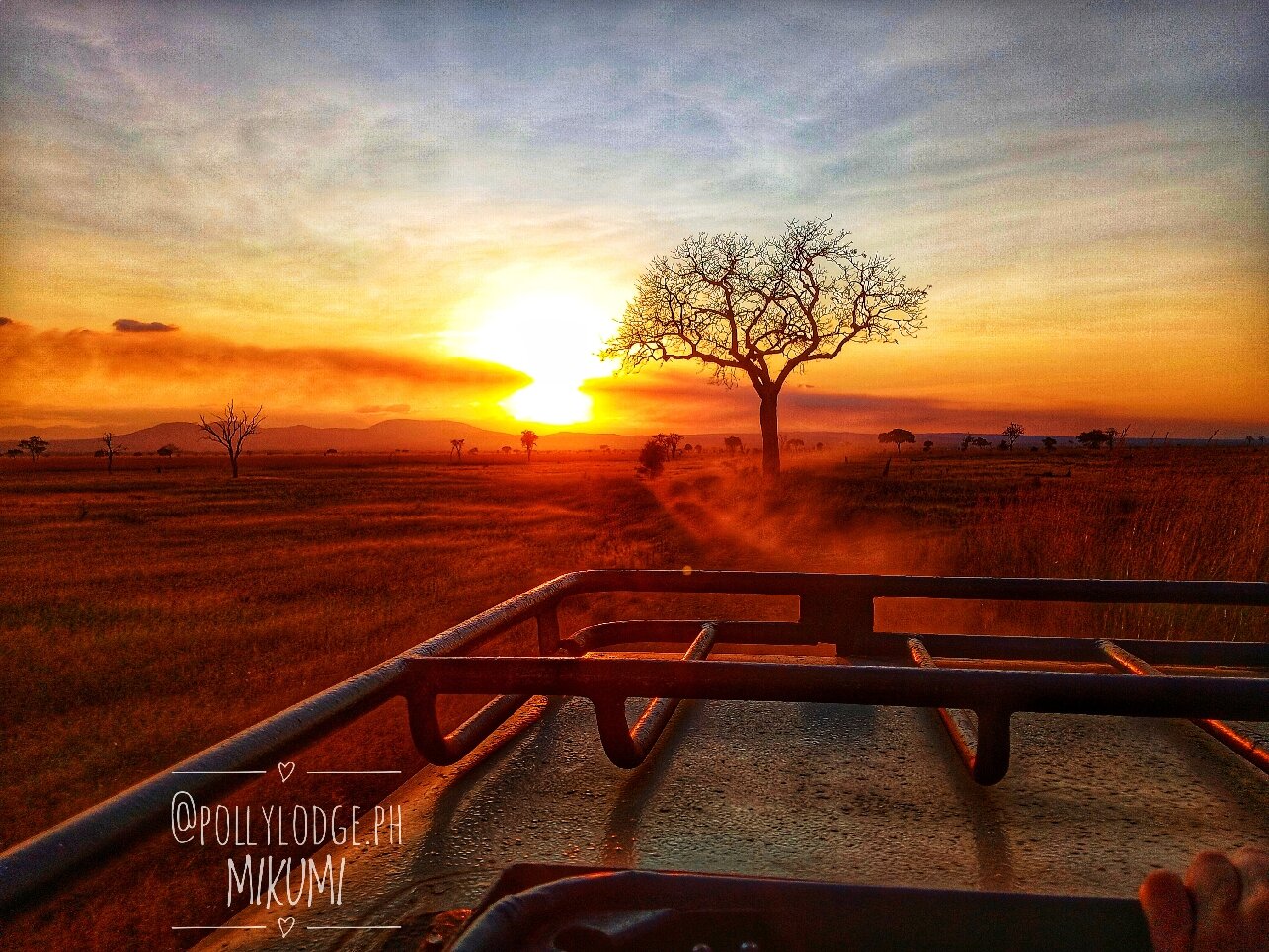
Why the Last Hours Work on a Mikumi Game Drive
The plain does very little through the middle of the day. There is no shade anywhere on the open floodplain, predators lie up, grazers move into whatever cover exists, and a drive between eleven and three produces mostly empty grass.
From about four that changes. The temperature falls, herds begin drifting toward water with more purpose than they showed at midday, and lion start moving again, resuming their habit of using the flattened tops of termite mounds as lookouts.
Elephant come out of the acacia and tamarind stands along the Mkata River where they have been sheltering. Giraffe browse in softening light. Spotted hyena begin appearing toward dusk.
The window is short. Gates close at six, which caps the drive earlier than the animals’ own schedule would.
Ask your guide to work westward through the last hour. The sun sets behind the Rubeho plateau, so heading that way puts the light where you want it and saves the drive back to camp for after the good light has gone.
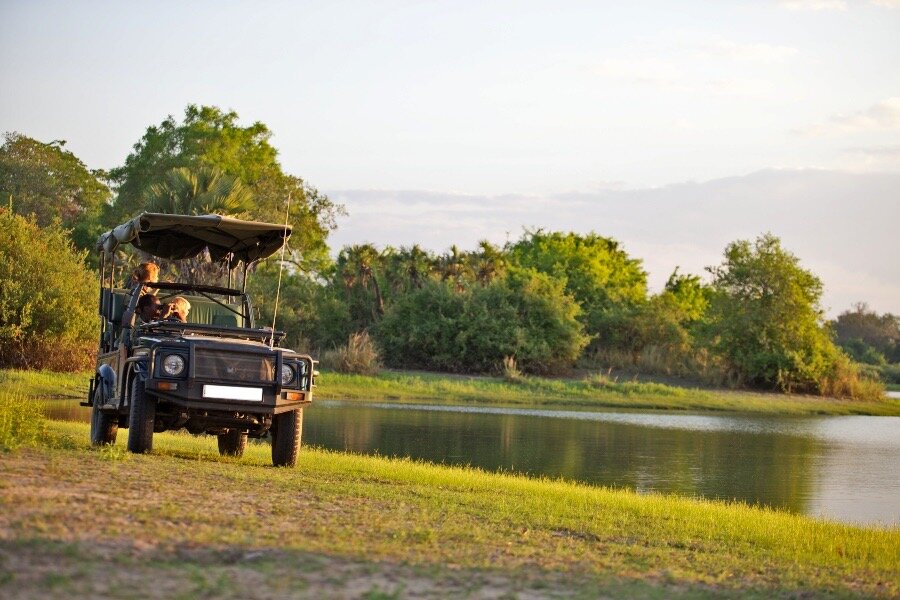
The Rubeho Mountains and Sunset Light in Mikumi
The Rubeho plateau lies west of the park, covering some 4,636 square kilometres and rising to 2,286 metres at Mangalisa, and the sun goes down behind it.
That geography is what makes a sunset drive here worth planning around rather than treating as a leftover afternoon. Facing west you get silhouettes against a darkening ridge in the final twenty minutes. Facing east you get animals lit warm and frontal with the Uluguru range beyond, which is the reverse of what the morning offers.
Unlike the morning, the light improves as the drive goes on rather than fading. That changes how you pace it: hold something back for the last half hour rather than shooting hard early.
Dust hangs in still evening air and catches the low sun, which turns a herd moving across the plain into something worth pointing a wide lens at.
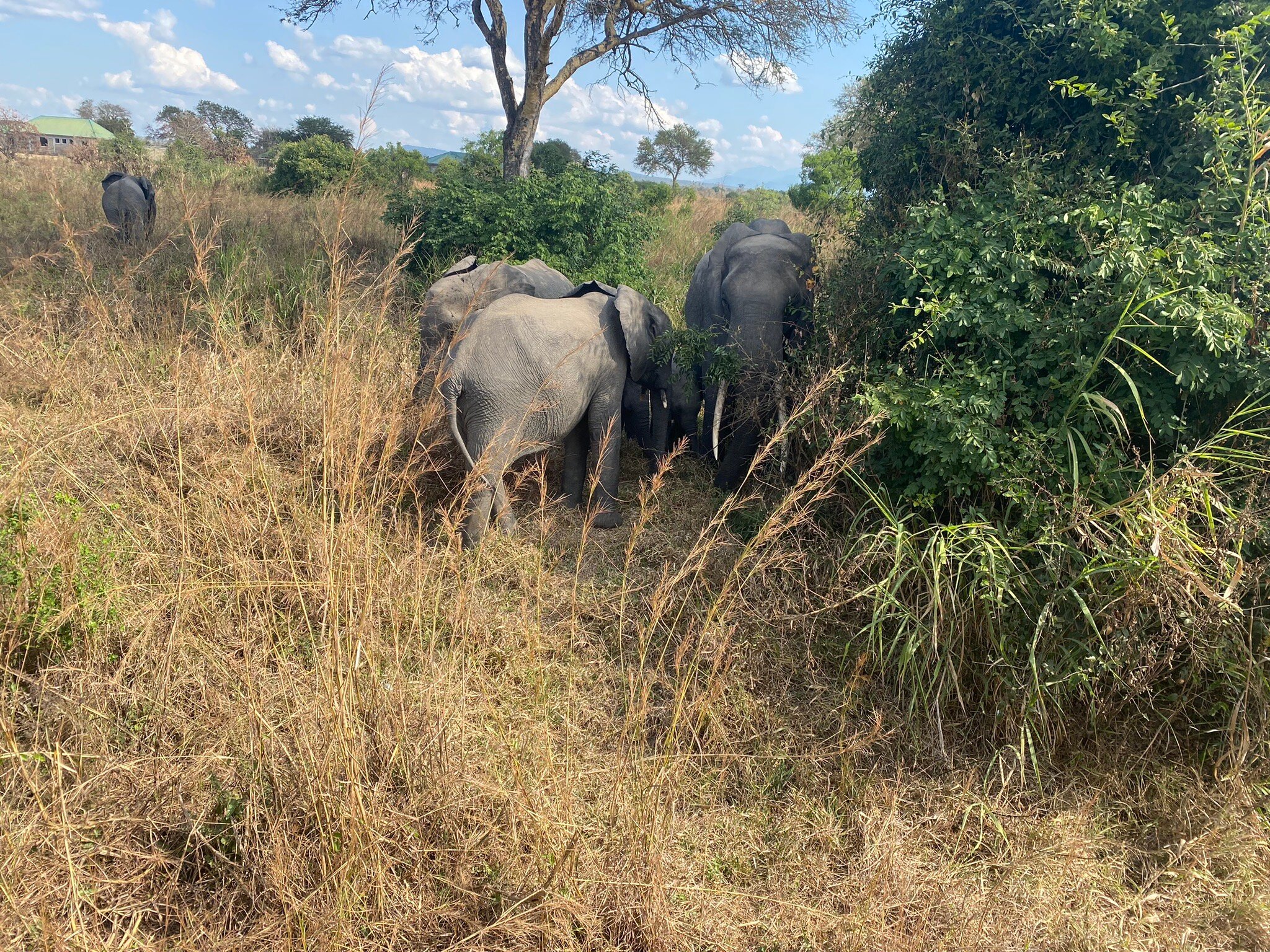
Evening Movement Toward Mikumi’s Waterholes
Water works differently in the evening than in the morning. The mid-morning drinking rush is over, but movement builds again as the day cools, which makes late afternoon a second good window.
The Mkata and Chamgore waterholes are the two named stops on the circuit. Mwanamboga sits below the rocky kopje where Stanley’s Kopje camp is built, in ground guides consistently rate as the park’s strongest.
The hippo pools shift character too. Hippo have been in the water through the middle of the day and grow restless toward evening, since they leave after dark to graze, sometimes walking several kilometres. Late afternoon shows them shifting position, yawning and calling rather than lying still.
Park and wait rather than passing through. Thirty minutes at one pool as the light drops beats twenty more kilometres of driving.
Sundowners After a Mikumi Sunset Drive
Park gates close at six, so a drink out on the circuit at last light is not how it works here. Sundowners happen at camp instead, and the camps are set up for it.
Vuma Hills sits above the treeline in the southwestern hills, looking out over the plains below with mountains beyond in both directions, and that elevation makes it the obvious place for an evening drink. Stanley’s Kopje occupies a rocky kopje with 360 degree views over the Mkata Floodplain and the Mwanamboga waterhole.
Mikumi Wildlife Camp near park headquarters overlooks its own waterhole, which gets busy through the dry season, so the drink comes with something to watch.
Sundowners at a camp are not bound by the gate closure, which is the practical argument for staying inside the park rather than driving out at six.
Mornings in Mikumi are for finding animals. Evenings are for photographing them. Anyone who skips the afternoon drive to rest at camp is trading the better light for a shower.
Sunset Drives Versus Sunrise Drives in Mikumi
Mornings are longer, cooler and stronger for predators, since the first two hours after gates open catch lion and hyena still moving from the night.
Evenings are shorter and better lit. They also suit anyone who dislikes a pre-dawn alarm, and they are the drive most people get on arrival day, since a four to five hour transfer from Dar es Salaam lands in early afternoon.
The honest position is that a two night stay gives three drives and all three are worth taking. Skipping the evening is common and usually regretted, particularly by photographers who then discover on the last afternoon what the light does.
Sunset drive: two to three hours from around four until the gates close at six. Best light of the day, renewed animal movement, and the drive that fits an arrival day.
Sunrise drive: three to four hours from gate opening at first light. Cooler, longer and stronger for predators, with mist over the grass in the dry season.
Night drive: roughly eight until eleven with an armed ranger and a spotlight vehicle, booked in advance at around US$50 per adult non-resident. A separate activity, not an extension of the evening.
Photography on a Mikumi Sunset Game Drive
Push the ISO earlier than feels comfortable. Light drops fast in the final half hour and a sharp noisy frame beats a clean blurred one every time.
Rest the lens on a bean bag rather than a tripod and ask the driver to cut the engine, since vibration causes more soft images at low shutter speeds than anything else.
Bring something wide. Mikumi sits in a basin ringed by mountains and the evening gives you a ridge to place animals against, which is the frame most visitors go home without.
Silhouette work is available in the last twenty minutes, so expose for the sky and let the animal go black rather than fighting it. Dust in the air will do most of the work.
What to Bring on a Sunset Game Drive
Sun protection for the first hour, since an afternoon drive still carries strong sun and the floodplain has no shade at all. Wide brimmed hat, sunglasses and high factor sunscreen.
Then a layer for the end. Temperatures drop quickly once the sun goes behind the Rubehos, particularly in the dry season, and a moving open vehicle at dusk is cooler than you expect.
Insect repellent for the last half hour when mosquitoes appear, since Mikumi is a malaria area. Neutral colours as always, and a light waterproof between November and May when afternoon showers are likely.
Where to Drive on a Mikumi Sunset Safari
The graded circuit across the Mkata Floodplain has enough loops branching and rejoining that an evening drive can cover completely different ground from the morning, and it should.
A lazy afternoon retraces the morning route, which is the most common way a second drive gets wasted. Ask for a different loop when you set off.
Working toward the western side puts the setting sun ahead of you and the Rubeho ridge beyond, which suits silhouettes and backlit dust. Staying east keeps the light behind you and the Uluguru range in the frame, which suits frontal portraits of animals moving toward water.
The Kisingura circuit runs closer to the treeline and turns up a different species mix from the open central loops. Guides rate it among the more rewarding drives in the park alongside the hippo pools and Vuma Hill.
Best Season for a Sunset Safari in Mikumi
June to October is the strongest period, with September and October the peak. Afternoons in October start hot and finish well, and the short grass makes evening spotting easier across the whole plain.
Dust haze late in the dry season actually helps the evening light, softening the sun and catching in the air behind moving herds, while flattening the mountains at mid-morning.
From November to May the plain greens, animals disperse and afternoon showers become likely. Cloud over the Rubehos can produce dramatic evenings when it breaks, and birding improves considerably as migrants arrive.
Questions About Sunset Game Drives in Mikumi
What time does a sunset game drive start in Mikumi?
Usually between three thirty and four, once the worst of the midday heat has passed. Drives run two to three hours and must be back before the park gates close at six in the evening, which is enforced.
Can I stay in the park after sunset in Mikumi?
Not on a normal game drive. Gates close at six and drives must be back by then. Night game drives are a separate activity running roughly eight until eleven with an armed ranger and a spotlight-equipped vehicle, booked in advance at around US$50 per adult non-resident.
Does a sunset drive cost extra?
No. Park entry is charged per person per day rather than per drive, currently around US$30 per adult foreign non-resident and about US$10 for children aged 5 to 15, plus a vehicle fee near US$40 per day. Entry runs 24 hours from when you enter, so an afternoon drive and the following morning can fall inside one ticket.
Where are sundowners taken in Mikumi?
At camp rather than in the park, since gates close at six. Vuma Hills sits above the treeline in the southwestern hills with views over the plains and mountains beyond. Stanley’s Kopje has 360 degree views from a rocky kopje over the floodplain and the Mwanamboga waterhole. Mikumi Wildlife Camp overlooks its own waterhole.
Is a sunset drive worth doing if I did a morning drive?
Yes. The circuit has enough loops to cover different ground, animals become active again from around four, and the last hour carries the best light of the day toward the Rubeho mountains. Photographers in particular tend to regret skipping it.
What will I see on a sunset game drive?
Zebra, impala, warthog, giraffe and baboon are near certain. Elephant emerge from the riverine acacia stands as the heat drops and herds move toward water. Lion begin stirring from around four and are seen regularly rather than daily. Hippo grow restless at the pools as evening comes on.
Booking Your Mikumi Trip
The safari companies and tour operators listed on this website put trips like this together for a living and know which camps, guides and routes actually deliver. We are an independent guide to Mikumi; we do not book or sell tours ourselves.
When you are ready, arrange your safari, tour or holiday with one of the recognised operators listed here. Tell them your dates and what matters most, and a real person, not a form, will handle the itinerary, park bookings and logistics for you.