Kikoboga Area
The Kikoboga area is the administrative and arrival hub of Mikumi National Park, holding park headquarters, the airstrip that serves the park, and Mikumi Wildlife Camp with its own waterhole. Most Mikumi safaris pass through it, since it sits just off the Tanzam highway near the main gate and marks the start of the Mkata Floodplain game drive circuit. Mikumi lies in Tanzania’s Morogoro region, roughly 280 kilometres inland from Dar es Salaam.
Below is what the Kikoboga area actually contains, what you can see without leaving it, and how it fits into a longer day in the park.
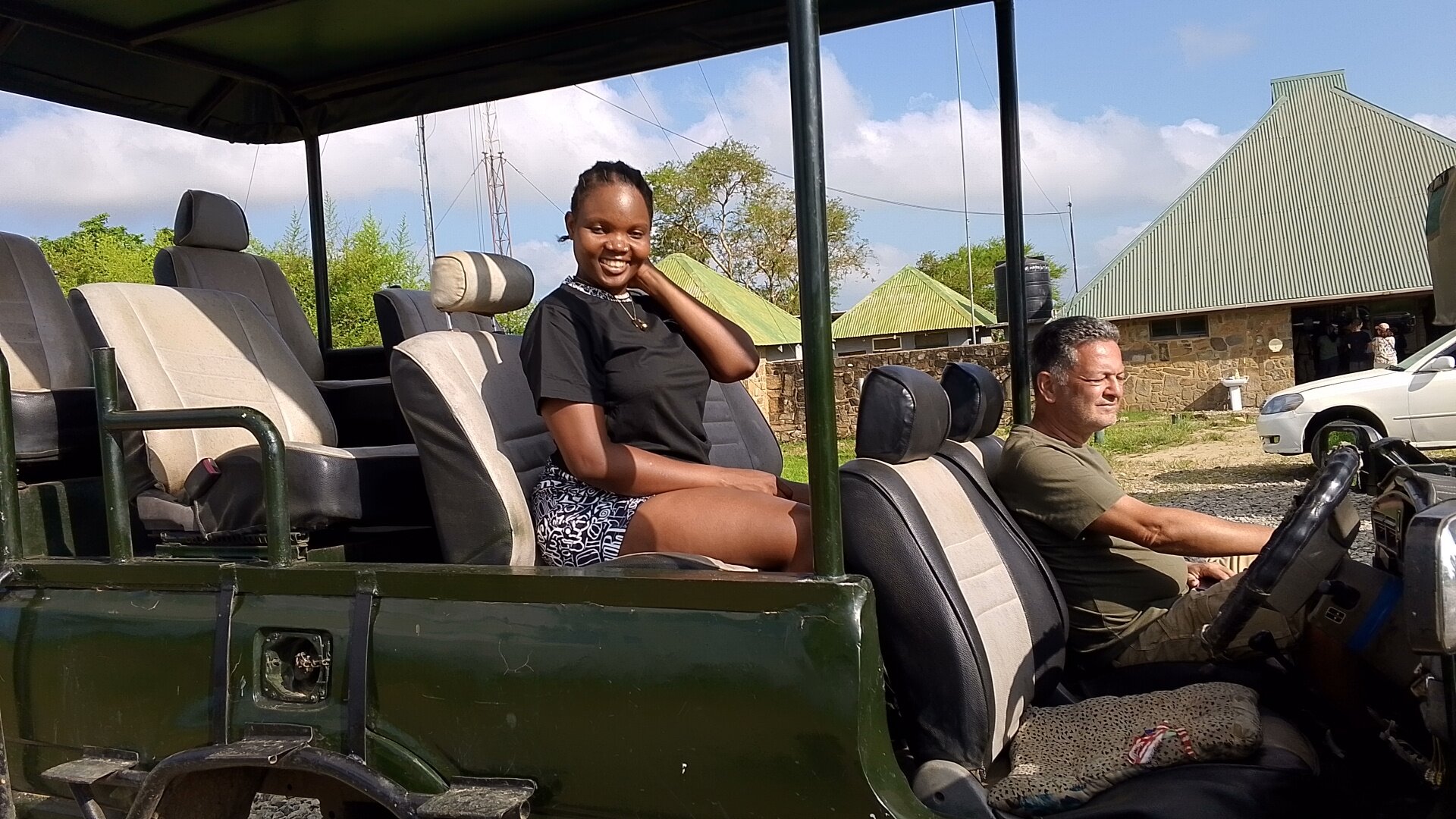
Where the Kikoboga Area Sits on a Mikumi Safari
Kikoboga occupies the central strip of Mikumi, close to where the highway cuts the park in two. Park headquarters are here, which means it is where bookings for public and special campsites get sorted and where rangers are based.
Its position is the whole point. The main gate is minutes away, the hippo pools sit about five kilometres north, and the graded circuit across the Mkata Floodplain starts within sight of the buildings. A vehicle arriving from Dar es Salaam can pay fees, drop bags and be on game-viewing tracks inside half an hour.
The trade-off is that Kikoboga sits close to the tarmac. Mikumi Wildlife Camp, sometimes called Kikoboga Lodge, is around three hundred metres off the highway, so traffic noise carries at night. Nobody comes here for remoteness.
If you are on a tight schedule, Kikoboga is the most efficient base in the park. If you want silence and a sense of being deep in the bush, look at Vuma Hills in the southwestern hills or Stanley’s Kopje out on the floodplain instead.
Game Viewing Around the Kikoboga Waterhole
The waterhole in front of Mikumi Wildlife Camp does a surprising amount of work. Through the dry season it draws elephant, buffalo and impala with real regularity, and guests sit and watch it from the camp without going anywhere.
Game viewing around Kikoboga is often described as underrated, and that is fair. Lion, elephant, buffalo and giraffe are all seen in the immediate vicinity of the camp, partly because the surrounding country is the same open grassland and acacia that makes the floodplain productive.
Zebra and wildebeest move through in herds. Warthog are constant. Waterbuck hold near the wetter ground. Sightings are commonly good through the dry months and thinner once the rains spread water across the whole plain.
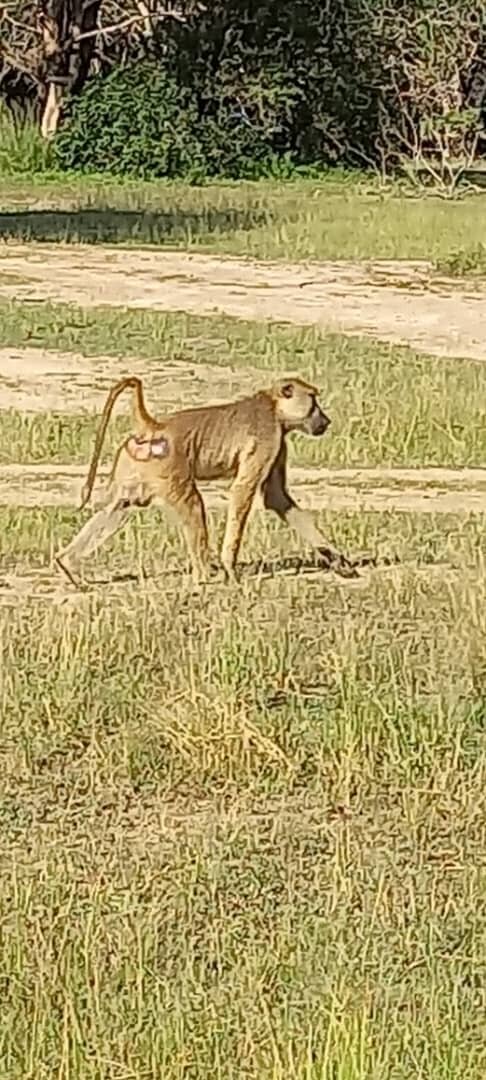
Yellow baboons are a fixture around the southern end of the park near Kikoboga, and troops here have been studied for decades because of how they use the road.
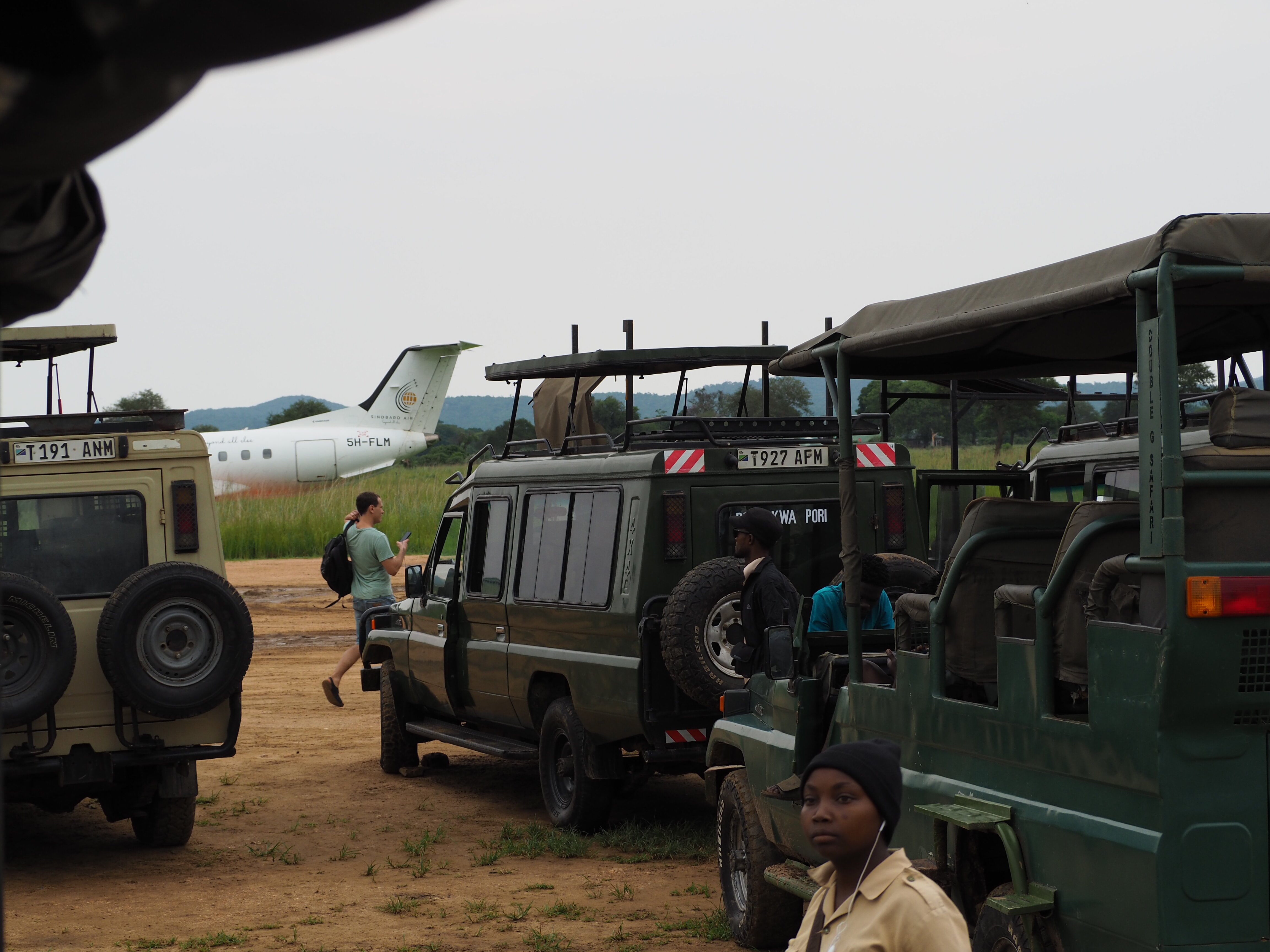
Kikoboga Airstrip and Fly-In Safaris to Mikumi
Kikoboga airstrip is the only airstrip serving Mikumi National Park, sitting at around 529 metres above sea level and operated by TANAPA. It carries the ICAO code HTMK and handles light aircraft only.
Safari Air Link runs the scheduled service, connecting Mikumi with Dar es Salaam, Zanzibar, Nyerere National Park and Ruaha. Flight time from the coast is roughly an hour to an hour and a half depending on routing, against four to five hours by road. Charter operators including Coastal Aviation and Auric Air also serve the strip.
A fly-in safari to Kikoboga makes most sense as part of a southern circuit itinerary rather than a standalone trip, since the flight costs several times a road transfer. Where it earns its money is on the Mikumi to Ruaha leg, which is six hours of driving otherwise.
Transfers from the strip to camps in the park are short. Vuma Hills, out in the hills to the southwest, takes longer to reach than anything in the Kikoboga cluster.
Mikumi Wildlife Camp and Accommodation in the Kikoboga Area
Mikumi Wildlife Camp is the main property here, laid out as twelve rooms across six bandas, the round thatched huts that give the place its character. It looks out over the waterhole and sits next to park headquarters, which makes it the easiest base in Mikumi for anyone arriving late or leaving early.
Rates typically start around US$135 per person. It is a larger, less intimate operation than the small tented camps elsewhere in the park, and it is priced accordingly.
The camp concentrates on game drives, with walking safaris and night drives arranged by request rather than run as standard. Its position gives quick access to the hippo pools, the Mkata and Chamgore waterholes and the northern floodplain loops.
TANAPA also runs bandas and public campsites in the park, booked through headquarters. Special campsites, which are remote and have no facilities at all, are booked in advance and cost more per person than the public ones.
Kikoboga is where the practical business of the park happens: fees, rangers, campsite bookings, the airstrip. Most visitors treat it as a doorway. It also happens to have decent game on its own doorstep.
Yellow Baboon Watching in the Kikoboga Area
Yellow baboons are the most visible primate around Kikoboga, and troops here have been the subject of long-running research into how a highway through a protected area changes animal behaviour. Studies found that the road functions as a bridge between foraging areas for these troops rather than a barrier, though it also kills them.
Watching a troop move is one of the more rewarding things to do while waiting at the camp or headquarters. Social structure is obvious once you sit with them for twenty minutes: hierarchy, grooming lines, juveniles testing boundaries.
They are also thieves. Baboons around the picnic areas and camps will take food from a table or an open vehicle without hesitation. Never feed them, keep windows up when parked, and do not leave bags unattended.
Vervet monkeys work the same margins in smaller numbers.
Birdwatching Safaris Around Kikoboga
Mikumi has more than 400 recorded bird species and the mixed ground around Kikoboga, where grassland meets acacia and standing water, holds a good cross section without any driving at all.
The waterhole draws storks, herons and waders. Lilac-breasted roller perch on low branches along the tracks. Superb starling work the camp grounds. Bateleur eagle quarter overhead, and marabou stork stand about looking disreputable.
Guineafowl and francolin run the verges. Black-bellied bustard and yellow-throated longclaw are on the grass just beyond. From November through April, European and North African migrants swell the list considerably, which is why Mikumi birding is often at its best in the months when mammal viewing is at its hardest.
Best Time to Visit the Kikoboga Area
June to October is the dry season and the strongest window for game around Kikoboga, as water elsewhere disappears and animals concentrate on the remaining sources. September and October produce the heaviest traffic at the waterholes.
November to February brings the short rains, green grass, migrant birds and heat. March to May is the long rains, the wettest and quietest stretch of the year, when some tracks deteriorate and one or two in-park camps close. Kikoboga’s proximity to the tarmac means it stays accessible when parts of the park do not, which is a genuine advantage in April.
June to October, dry: best game viewing at the camp waterhole and on the nearby floodplain loops. Coolest months, firm tracks, clearest sightlines.
November to February, short rains: hot and green, migrant birds present in numbers, mammals more scattered because water is widely available.
March to May, long rains: wettest period and fewest visitors. Kikoboga stays reachable thanks to the highway even when outlying tracks do not.
Getting to the Kikoboga Area from Dar es Salaam
By road it is roughly 280 to 300 kilometres from Dar es Salaam via Morogoro on surfaced highway, four to five hours in a private vehicle, more if you leave during the city’s morning rush. The route continues on toward Iringa and Ruaha, which is why so many southern circuit trips use Mikumi as their first night.
The standard gauge railway now covers Dar es Salaam to Morogoro in a fraction of the road time, and some operators use it for the first leg before switching to road. Public buses run the highway daily and stop at Mikumi town, though you still need a vehicle inside the park.
Park gates close at six in the evening. Arriving late means being turned away, prepaid or not, so build slack into a day that starts on the coast.
Questions About the Kikoboga Area
What does it cost to stay at Mikumi Wildlife Camp in the Kikoboga area?
Rates commonly start around US$135 per person. Park entry is charged on top, currently about US$30 per adult foreign non-resident per day and US$10 for children aged 5 to 15, with lower rates for Tanzanian residents and East African citizens. A six to twelve seat safari vehicle adds roughly US$40 per day.
Which airlines fly into Kikoboga airstrip?
Safari Air Link operates the scheduled service, linking Mikumi with Dar es Salaam, Zanzibar, Nyerere National Park and Ruaha. Charter operators such as Coastal Aviation and Auric Air also use the strip. Flight time from Dar es Salaam runs roughly one hour to ninety minutes depending on routing and stops.
Can I camp in the Kikoboga area?
Yes. TANAPA runs public campsites near park headquarters, charged at around US$29.50 per adult per night in the Mikumi and Udzungwa group, with children aged 5 to 15 near US$11.80. Special campsites are remote, have no facilities and cost more per person. Both are booked through park headquarters in advance.
Is the highway noise a problem at Kikoboga?
Mikumi Wildlife Camp sits roughly three hundred metres from the Tanzam highway, and trucks run through the night. Most guests find it tolerable rather than pleasant. If quiet matters to you, the camps further from the road are worth the extra transfer time.
What animals can I see without leaving the Kikoboga area?
The camp waterhole draws elephant, buffalo and impala with regularity in the dry season, and lion, giraffe and zebra are seen in the immediate vicinity. Yellow baboons are a permanent presence. None of it is guaranteed on a given day, and the wet months thin the traffic considerably.
How long do I need in the Kikoboga area?
As a base, one or two nights covers the northern floodplain properly, including the hippo pools and the named waterholes. As a stop, an hour is enough. Most people use it as an arrival and departure point rather than a destination.
Booking Your Mikumi Trip
The safari companies and tour operators listed on this website put trips like this together for a living and know which camps, guides and routes actually deliver. We are an independent guide to Mikumi; we do not book or sell tours ourselves.
When you are ready, arrange your safari, tour or holiday with one of the recognised operators listed here. Tell them your dates and what matters most, and a real person, not a form, will handle the itinerary, park bookings and logistics for you.