What Is the Weather Like in Mikumi?
Mikumi National Park runs warm all year with two distinct seasons: a cool dry stretch from June to October when temperatures sit between roughly 15 and 30 degrees, and a hot humid wet season from November to May that frequently reaches the low thirties. Because the park sits close to the equator, temperatures stay fairly uniform across the year and it is rainfall, not heat, that separates one Mikumi safari from another. The park lies in Tanzania’s Morogoro region, in a basin ringed by the Uluguru and Rubeho mountains.
Below is how each season actually feels on the ground, and what the weather does to the game viewing and the roads.
Mikumi’s Two Seasons and What They Mean for a Safari
Forget summer and winter. Mikumi has a dry season and a wet one, and they behave very differently, while the thermometer barely moves between them.
The dry season runs June to October and is the coolest part of the year, with clear skies, low humidity and almost no rain. The wet season runs November to May, split into short rains around November and December and long rains from March into early May, with a drier interlude in some years around January and February.
Equatorial position keeps the thermometer steady. What changes dramatically is humidity, cloud cover, grass height and the state of the ground, and those four things decide what a game drive is like far more than the temperature does.
The most common weather mistake visitors make is assuming Tanzania means constant heat. Early mornings in Mikumi in June and July are cold enough in an open vehicle to be uncomfortable without a fleece, and the wind chill on a moving car makes it worse.
Dry Season Weather on a Mikumi Safari from June to October
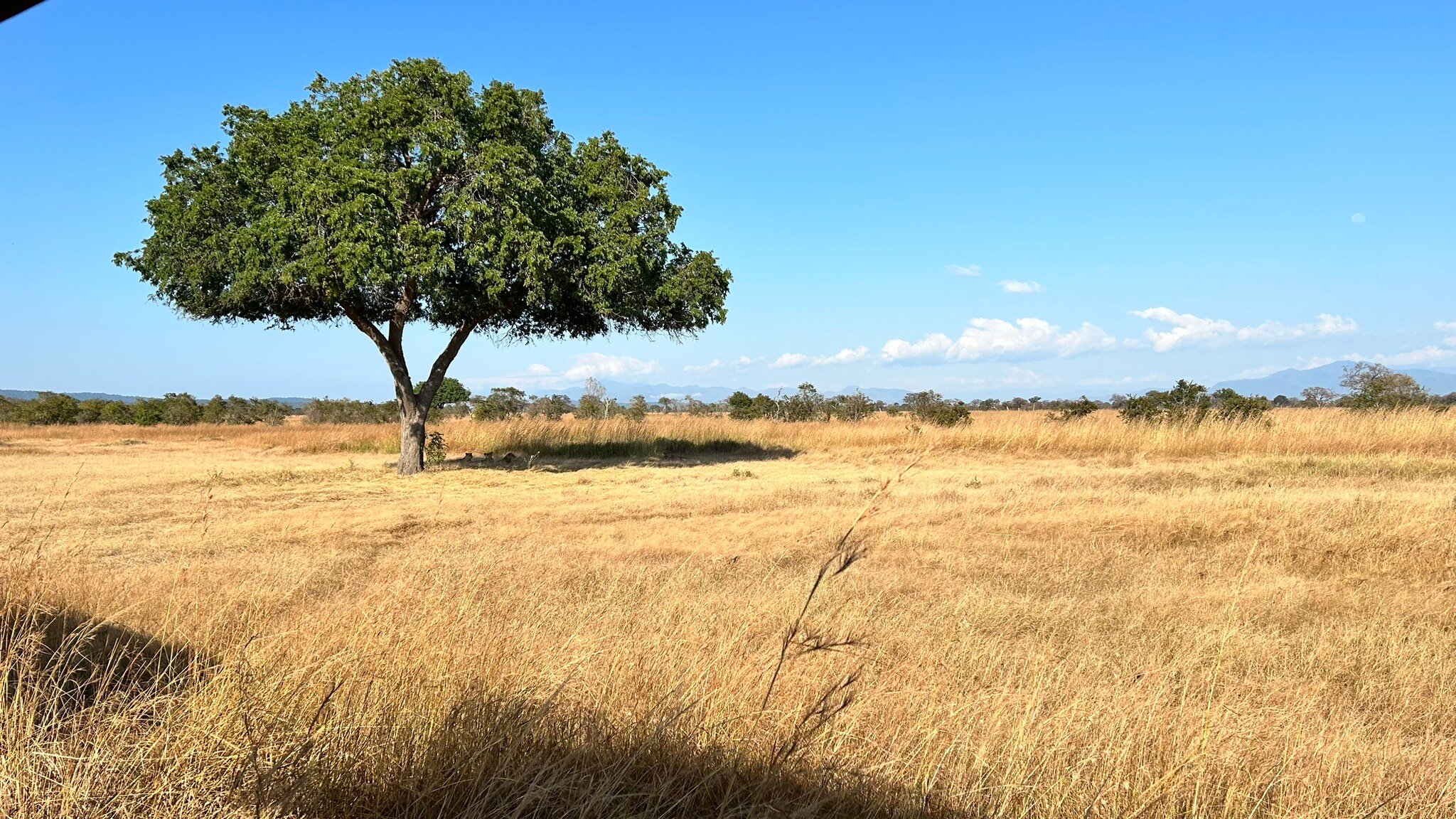
These are the coolest months of the year in the park and the most comfortable for spending a full day outdoors. Daytime temperatures sit in the mid to high twenties, with June averaging highs near 26 degrees and September climbing toward 30.
Skies are clear, sunshine is abundant and rainfall is minimal. Humidity is low, which makes the same temperature feel far less oppressive than it does in December.
The plain dries steadily through this period. Grass browns off and lies down, seasonal channels of the Mkata River retreat, and dust begins to hang over the tracks. By October the air carries enough haze to soften the mountain backdrop by mid-morning.
October is the hottest stretch of the dry season, as the year turns toward the rains and the heat builds before they break.
Cold Mornings and Warm Afternoons on a Mikumi Game Drive
The daily swing is the practical weather story in Mikumi, and it is bigger than the seasonal one.
A dry season morning that starts around 15 degrees at first light will be in the high twenties by eleven. That means layers rather than a single choice of clothing, with something warm that packs away small once the sun gets up.
Higher ground runs cooler again. Temperatures drop noticeably at night in the foothills, and anyone staying at Vuma Hills in the southwestern hills or venturing toward the mountain edges early will feel it. A light fleece is standard advice for those drives.
By mid-afternoon on the open Mkata Floodplain there is no shade at all, and the sun is direct. Afternoon drives usually start around four when the worst of it has passed, with gates closing at six.
Short Rains Weather from November to February
November brings the short rains, typically as sharp afternoon showers rather than all day drizzle, and the plain greens up within a fortnight. December continues that pattern.
Heat and humidity build through this stretch, and the closing months of the year are the most uncomfortable of the twelve, frequently reaching the low thirties with sticky air that makes it feel warmer. Nights stay warm rather than cooling off.
January and February often bring a shorter drier spell, sometimes described as a second dry season, and conditions in those weeks can be surprisingly good. It varies year to year and nobody should promise it.
The country looks completely different from October. Tall green grass, standing water in shallow pans, flowering trees and migrant birds arriving in numbers.
June to October, dry: coolest months, roughly 15 to 30 degrees, clear skies, minimal rain, low humidity. Cold at first light, hot and dusty by late season.
November to February, short rains: hot and humid, often into the low thirties, sharp afternoon showers, green plains. A drier interlude sometimes falls in January and February.
March to May, long rains: the wettest weeks of the year, peaking in March and April, with heavy and persistent rainfall, tall grass and difficult ground.
Long Rains Weather from March to May
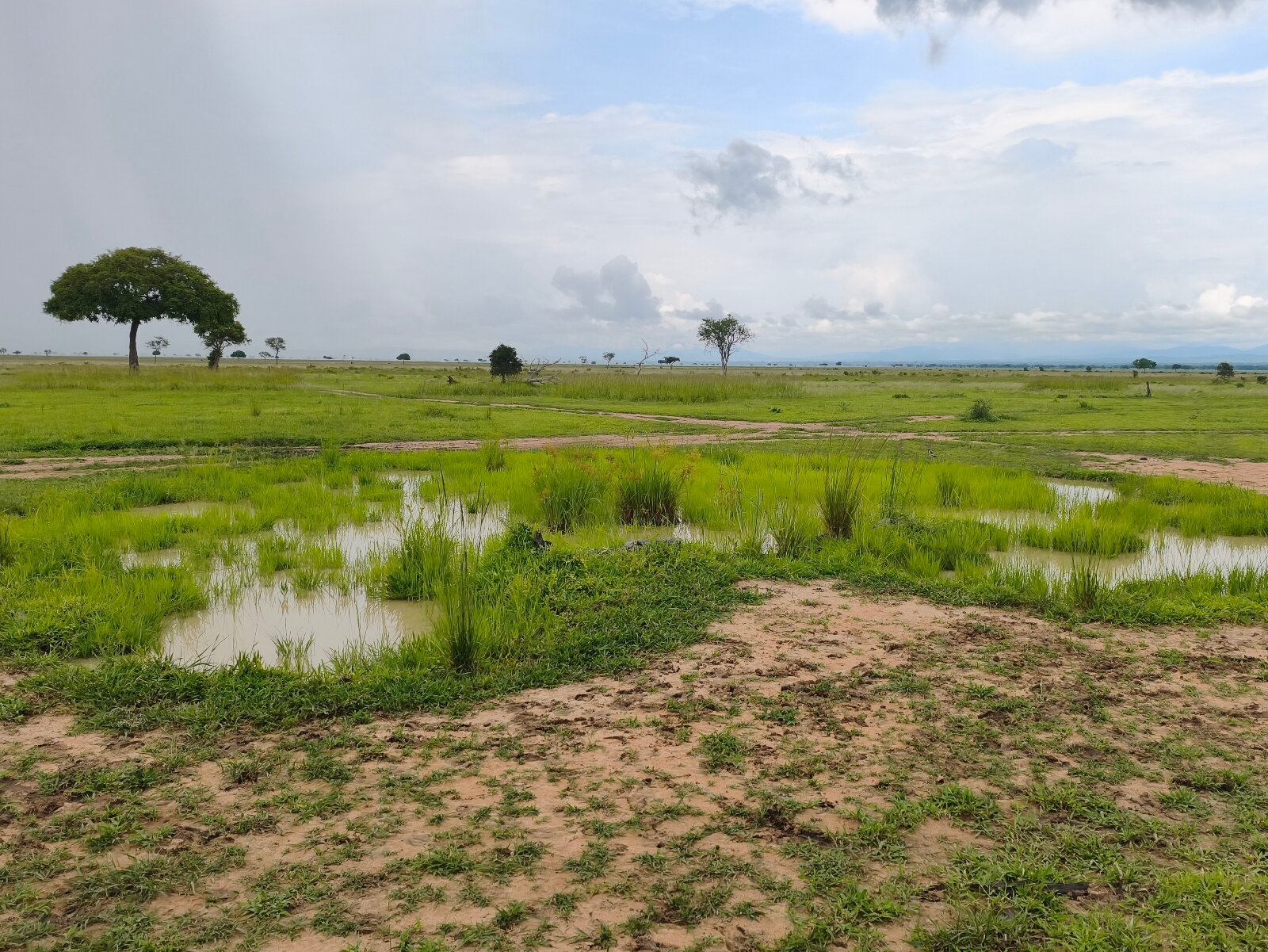
March and April are the wettest and the hardest. Rain comes heavily and persistently rather than in brief bursts, the plain floods in places, and black cotton soil on parts of the game viewing circuit turns to a heavy paste.
Temperatures stay high and humidity higher. Nothing dries. Grass grows past a metre across large stretches of the floodplain.
May is the turn. Rainfall eases through the month, visibility starts coming back while the grass is still long, and drives become more manageable. Resident birds are finishing their breeding season and migrants gather before heading north, which makes it an interesting month for anyone flexible about conditions.
These are the fewest visitors of the year, and with limited accommodation open, prices barely shift.
How the Mountains Shape Mikumi’s Weather
Mikumi sits in a basin partly ringed by the Eastern Arc mountains, and that geography drives its rainfall pattern.
The Uluguru range to the northeast, rising to about 2,630 metres, and the Rubeho plateau to the west, topping 2,286 metres, both intercept moisture moving inland from the Indian Ocean. Higher ground wrings water out of the air, and the plain below receives what is left. The Rubehos receive more rain than the neighbouring plains for exactly this reason.
That is why the mountain forests stay wet while the floodplain runs dry for months. It is also why Mikumi’s seasonality is so pronounced: the park depends on the seasonal Mkata River and a handful of pools rather than on any permanent large river running through it.
How Weather Affects Game Viewing on a Mikumi Safari
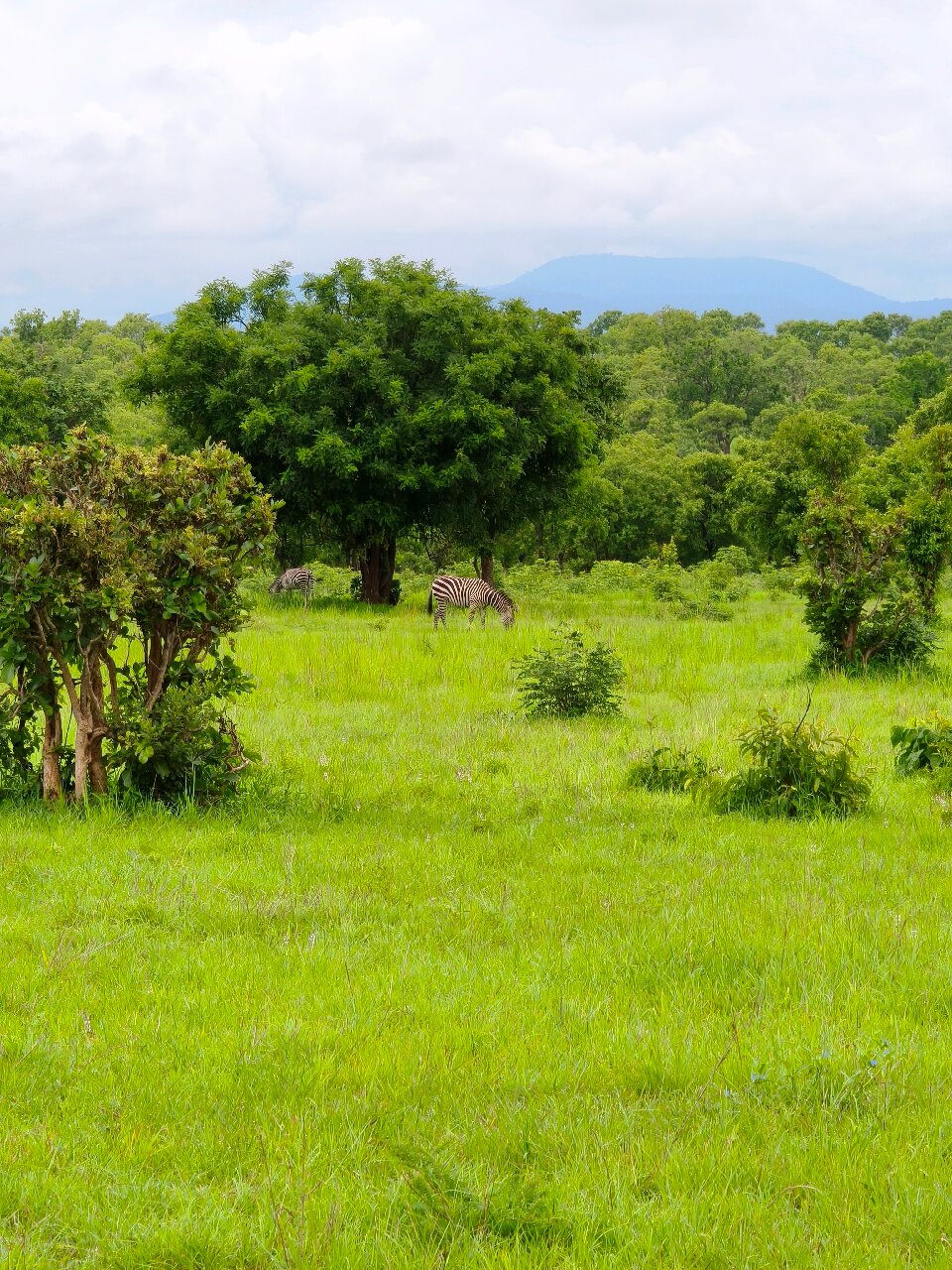
Rainfall, not temperature, decides what you see. Through the dry months the water disappears and animals concentrate on what remains, which is the whole basis of dry season game viewing. September and October are the peak weeks for that.
Once the rains spread water across the plain, animals stop needing to visit any particular place and disperse. Grass hides them. Calving accelerates, which brings its own interest, and birding improves sharply as European and North African migrants arrive between November and April.
Short grass in the late dry season also makes lion far easier to pick out, since they use the flattened tops of termite mounds as lookouts and there is nothing to obscure them.
How Weather Affects Roads and Access in Mikumi
The road to Mikumi is surfaced the whole way from Dar es Salaam, so reaching the park is reliable in every month. Conditions inside are another matter.
In the dry season, much of the 60 kilometre floodplain circuit is drivable in a two wheel drive vehicle with decent clearance. After rain, black cotton soil makes four wheel drive necessary, and in March and April some tracks are impassable altogether.
Stanley’s Kopje out on the floodplain closes through the wettest months because its access track cannot be relied on. Vuma Hills stays open year round, and lodges outside the boundary near Mikumi town operate in every month.
What to Wear for Mikumi’s Weather
Neutral coloured layers in lightweight fabric. Long sleeves and trousers for sun and insects, a wide brimmed hat, and a fleece or light jacket for dry season mornings that is easy to shed by mid-morning.
In the wet months, swap the fleece for a light waterproof and pack more changes of clothing, since humidity means nothing dries overnight. Shoes you do not mind soaking are worth having when the ground turns.
Sunscreen matters in every month. There is no shade on the Mkata Floodplain, and open vehicles offer none either.
Questions About Mikumi’s Weather
What is the hottest time of year in Mikumi?
The closing months of the year, from around October through December, when the wet season heat and humidity build. Temperatures frequently reach the low thirties and the air is sticky. October is the hottest stretch of the dry season, just before the rains break.
Does it get cold in Mikumi?
Mornings do, from June to August. Temperatures can drop toward 15 degrees at first light, and sitting in an open vehicle with wind chill makes it feel colder. Higher ground toward the Vuma Hills and the mountain foothills runs cooler again. A fleece is the item most visitors wish they had packed.
When does it rain in Mikumi?
Short rains fall around November and December, usually as sharp afternoon showers. Long rains run from March into early May, peaking in March and April, and are heavier and more persistent. January and February sometimes bring a drier interlude. June to October sees minimal rainfall.
Does the weather affect park fees in Mikumi?
No. The TANAPA tariff for Mikumi does not run peak and low season rates. Adult foreign non-residents currently pay around US$30 per person per day, children aged 5 to 15 about US$10, with lower rates for Tanzanian residents and East African citizens. Vehicle fees run roughly US$40 per day for a safari vehicle. Accommodation prices also shift very little between seasons here.
Can I visit Mikumi during the rainy season?
Yes. The park stays open and the road from Dar es Salaam is surfaced throughout. Expect tall grass, dispersed wildlife and difficult tracks inside the park, particularly in March and April, with at least one in-park camp closed for the season. Birding is at its best in these months.
What is the best weather for photography in Mikumi?
The dry season gives the clearest air and the most reliable mountain views toward the Uluguru and Rubeho ranges, though dust haze builds late in the season and softens the outline by mid-morning. Shoot in the first two hours after gates open and the last two before they close at six.
Booking Your Mikumi Trip
The safari companies and tour operators listed on this website put trips like this together for a living and know which camps, guides and routes actually deliver. We are an independent guide to Mikumi; we do not book or sell tours ourselves.
When you are ready, arrange your safari, tour or holiday with one of the recognised operators listed here. Tell them your dates and what matters most, and a real person, not a form, will handle the itinerary, park bookings and logistics for you.