Family Short Safari in Mikumi National Park
A family short safari in Mikumi National Park works because the park is four to five hours from Dar es Salaam on surfaced road, park fees are low, and the hippo pools give children something to look at within minutes of the gate. Two nights suits most families, with shorter drives split by a rest at camp rather than a full day in the vehicle. Children under five enter free and those aged 5 to 15 pay a reduced rate. Mikumi covers 3,230 square kilometres in Tanzania’s Morogoro region.
Below is how to shape a family trip here, where to stay, and what genuinely holds children’s attention.
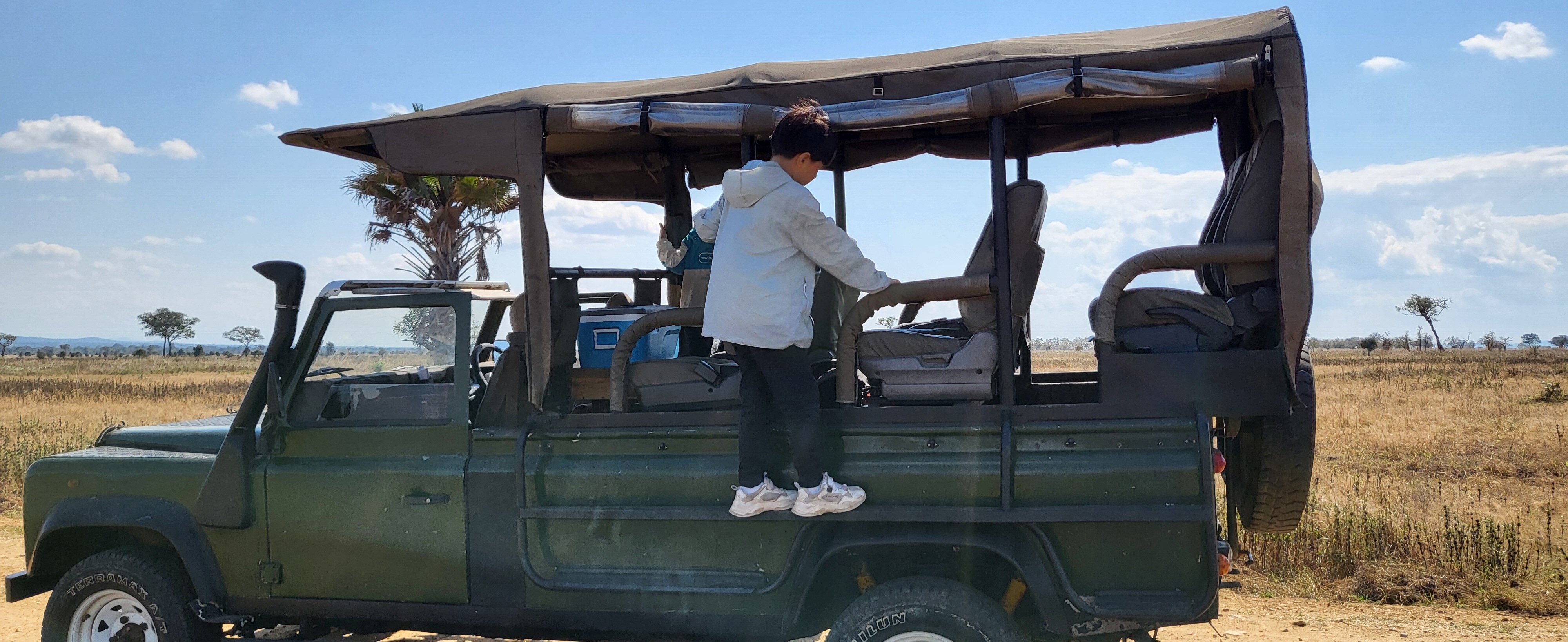
Why Mikumi Suits a Family Short Safari
Distance is the main reason. Every other major Tanzanian park requires a domestic flight or a multi day drive, which is a great deal to ask of small children. Mikumi is a morning’s drive from the coast on tarmac the whole way.
Cost is the second. Park entry sits around US$30 per adult foreign non-resident per day against roughly US$70 for Serengeti or Nyerere, and children aged 5 to 15 pay about US$10. Under fives are free. Across a family of four that gap compounds quickly.
The third is that Mikumi is uncrowded. Sightings are rarely shared with other vehicles, which means nobody is jostling for position while a child is trying to see something.
The park also attracts the highest number of domestic visitors of any Tanzanian national park, so families are a normal sight here rather than an oddity.
Two nights beats one, and one night beats a day trip by a wide margin. A day trip from Dar es Salaam means a five in the morning start and roughly ten hours in a car for four hours of park time, which is a hard sell to anyone under twelve.
Shaping a Short Safari Around Children
The standard adult pattern of a long dawn drive and a full day in the vehicle does not suit young children, and there is no need to attempt it.
A workable family shape is a shorter morning drive of two to three hours starting at gate opening, back to camp by mid-morning for breakfast, a long break through the hot middle of the day, then a shorter afternoon drive from around four until the gates close at six.
That respects the two things that matter: the productive hours are early and late anyway, and the middle of the day on an open floodplain is hot, shadeless and quiet.
Full day drives with a packed lunch are the wrong choice for most families. Ten or eleven hours in a vehicle with a flat midday stretch is demanding for adults and worse for children.
Book a private vehicle if the budget allows, so you can cut a drive short without negotiating with strangers.
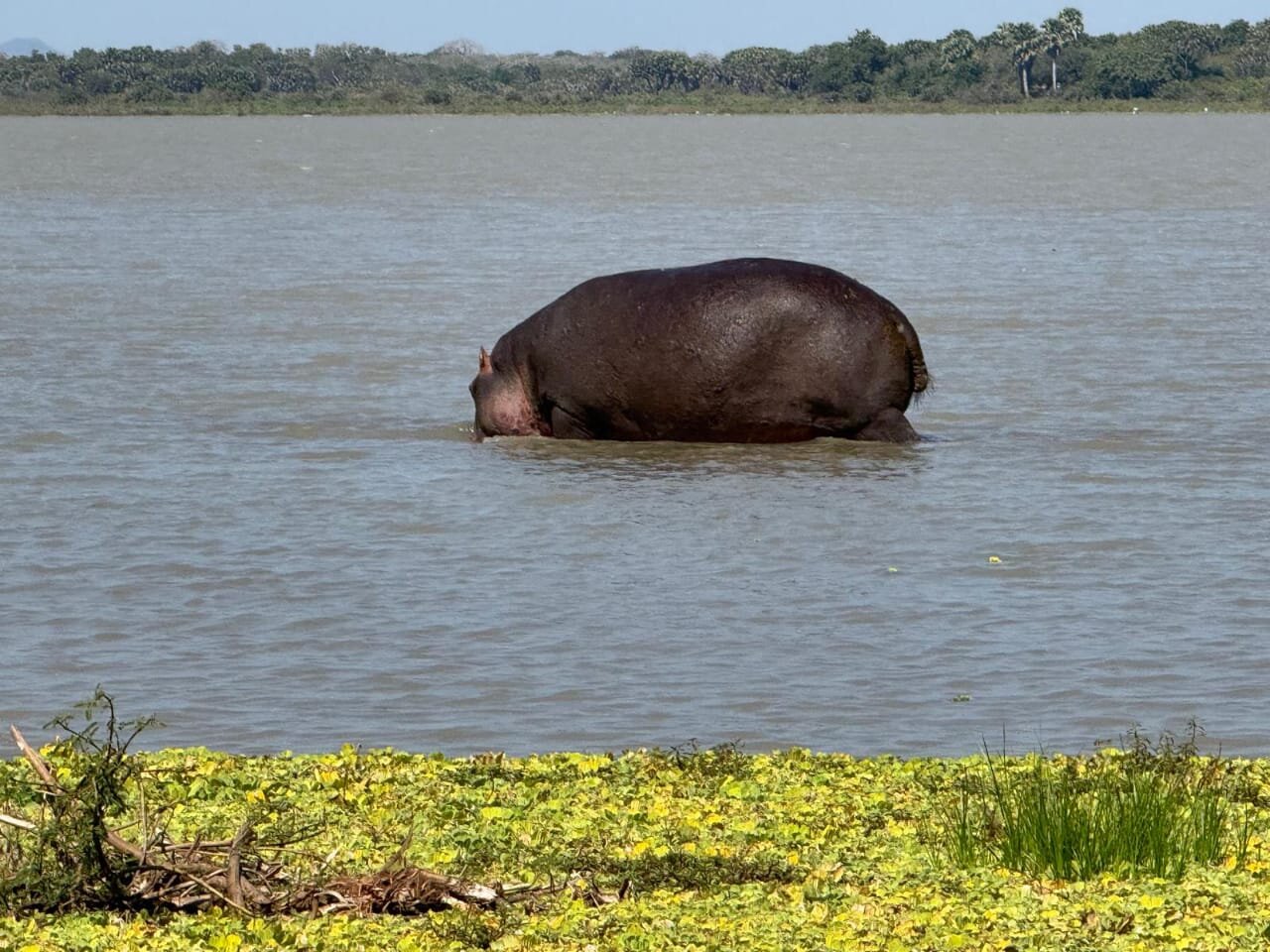
The Hippo Pools as a Family Highlight in Mikumi
If one thing sells Mikumi to children, it is the hippo pools.
Two permanent pools about five kilometres north of the main gate hold hundreds of hippo along with Nile crocodile, and a designated viewing area lets visitors leave the vehicle. Getting out of the car is uncommon in Tanzanian parks and it makes an enormous difference to a restless child.
The timing works in a family’s favour too. Hippo stay in the water through the middle of the day and graze at night, so the hours that suit a slow family schedule are the hours the pools are busiest.
Toilets and a picnic spot make it the natural break in a morning. Grunting hippo a short distance away, storks working the mud, monitor lizards on the bank and crocodile on the sand give a child several things to find at once.
Keep everyone inside the marked zone and hold onto food, since baboons raid unattended tables.
Family Friendly Accommodation Near Mikumi
Lodges outside the park boundary suit families better than the in-park camps, and it is worth knowing why.
Camps inside Mikumi are unfenced, meaning wildlife moves through at night and guests are escorted between tents after dark. Adults tend to love that, and it is a genuine consideration with small children.
Camp Atupele near Mikumi town is the name that comes up for families, with spacious rooms, a large swimming pool, a dedicated children’s area and meals made from fresh local ingredients, plus free wifi, laundry and late check out. Camp Bastian is the other strong option, offering family chalets and multi bedroom chalets so everyone sleeps under one roof, starting around US$75 per person sharing.
Tan-Swiss Lodge, Angalia Tented Camp and Afrika Yangu fill out the cluster, with rooms across the area starting near US$84 a night.
A pool matters more than it sounds. It is what fills the hot middle of the day when nobody wants to be in a vehicle.
The measure of a family safari day is not how many animals were seen. It is whether anyone asked to go home before lunch.
Park Fees and Costs for Families in Mikumi
The fee structure is straightforward and favourable to families.
Adult foreign non-residents pay around US$30 per person per day. Children aged 5 to 15 pay about US$10. Children under five enter free. Tanzanian resident adults pay roughly US$15 and children US$5, with East African citizens paying a lower rate in shillings.
Adults are anyone 16 and over, so teenagers pay the full adult rate. Carry documentation for children’s ages, since the gate checks.
The vehicle fee is charged once regardless of how many people are in it, at roughly US$40 per day for a six to twelve seat safari vehicle, which works in a family’s favour compared with a couple travelling alone.
Entry runs 24 hours from the moment you clear the gate. Sleeping outside the boundary means paying again each morning, which for a family of four adds up faster than it does for two people.
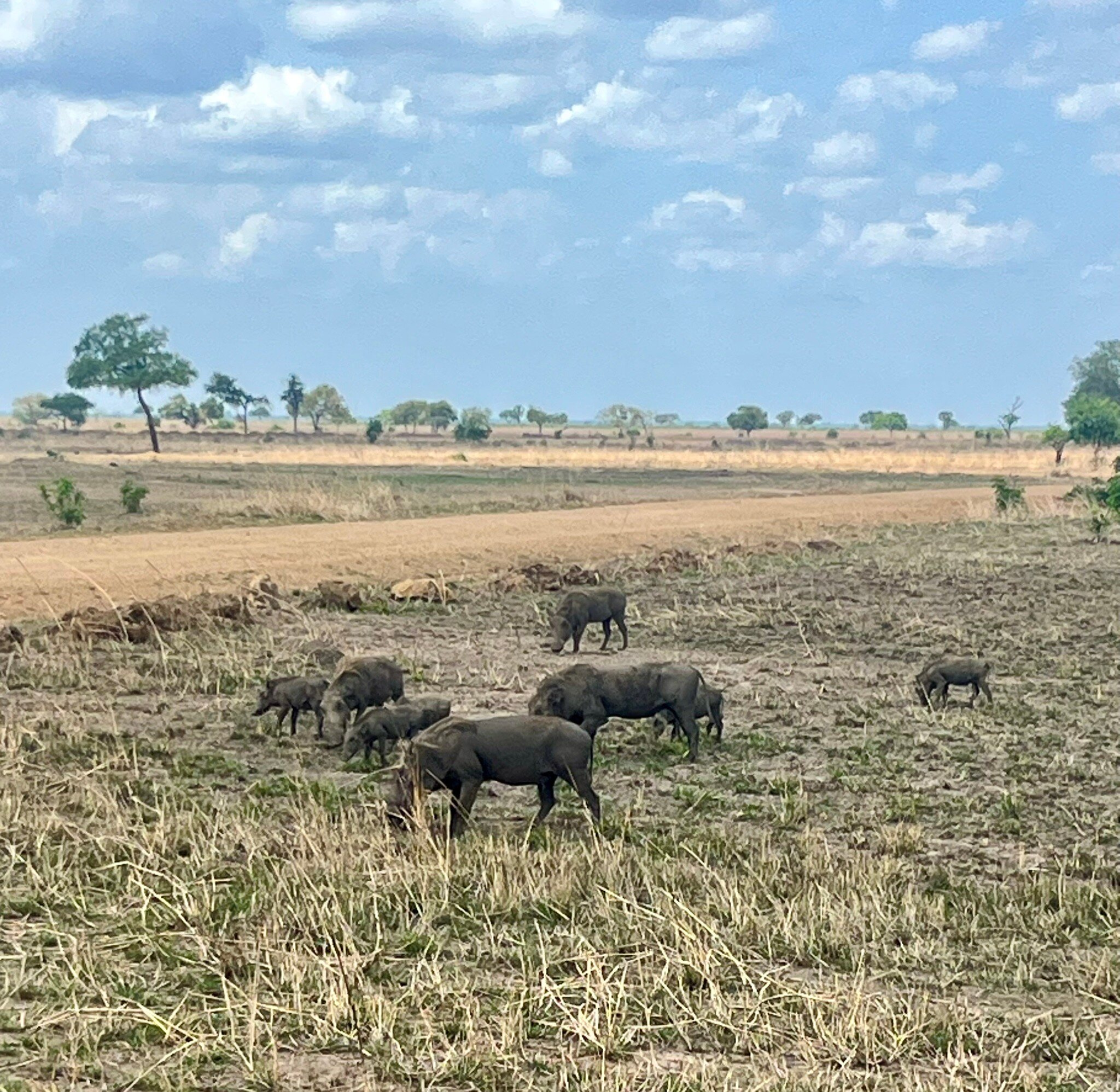
Keeping Children Engaged on a Mikumi Game Drive
Give them a job. A species list to tick, a pair of binoculars of their own, or the task of watching the termite mounds for lion works better than asking them to sit and look.
Mikumi helps here, because the common animals are genuinely common. Impala, zebra, warthog, giraffe and yellow baboon are near certain on any drive, so nobody spends three hours seeing nothing.
Baboons are usually the biggest hit with younger children, and troops around Kikoboga near park headquarters are easy to watch. Warthogs running with their tails up rarely fail either.
Keep drives short and end them before anyone has had enough. A two hour drive everyone enjoyed beats a four hour one that ended badly.
Snacks, water and a hat for each child, and something to keep hands busy during quiet stretches.
Activities Beyond Game Drives for Families
Walking safaris run in Mikumi with an armed ranger, lasting three to four hours in the early morning. Minimum ages apply and vary, so check when booking. They are demanding for young children and depend on everyone following instructions immediately, so most families skip them.
Night game drives run roughly eight until eleven in the evening, which is past most children’s bedtime and involves a cold three hours. Older teenagers may enjoy one.
Swimming at the lodge fills the middle of the day, and several properties around Mikumi town have pools.
Cycling around the boundary is possible where lodges offer bike hire, though not inside the park, where cycling is not permitted.
Safety Considerations for Families in Mikumi
Stay in the vehicle except at the hippo pools viewing area and marked picnic sites. Children should not stand through a pop top roof unsupervised.
Never feed baboons or monkeys, and keep vehicle windows closed when parked at picnic areas. Baboons will take food from a child’s hand without hesitation and are strong enough to be frightening.
Mikumi is a malaria area, so discuss prophylaxis for children with a doctor well before travelling. Mosquito nets are provided at most accommodation, and covering up in the evening helps.
Sun is fierce on the open floodplain with no shade at all. Hats, high factor sunscreen and more water than you think you need.
On the highway through the park, hold a low speed. Wildlife mortality on the corridor runs above 360 animals a year.
June to October: best family months. Coolest weather, firm tracks, animals concentrated at the waterholes so drives can be shorter and still productive.
November to February: hot and humid with green plains and migrant birds. Game more scattered, so drives need to be longer to produce the same result.
March to May: heaviest rain, poorest tracks and the hardest game viewing. The least suitable stretch for a short family trip.
Questions About Family Safaris in Mikumi
What do children pay to enter Mikumi National Park?
Children aged 5 to 15 currently pay around US$10 per day as foreign non-residents, and under fives enter free. Adults, meaning anyone 16 and over, pay about US$30. Tanzanian resident children pay roughly US$5 and adults US$15. Carry documentation for children’s ages, since the gate checks.
Is Mikumi suitable for young children?
Yes, more so than most Tanzanian parks, because it is only four to five hours from Dar es Salaam on surfaced road, fees are low and the hippo pools are minutes from the gate with a viewing area where you can get out of the vehicle. Keep drives short and split the day around a rest.
How long should a family stay in Mikumi?
Two nights suits most families, giving three shorter drives with rests between them. One night works for a first taste. A day trip from Dar es Salaam means roughly ten hours in a car for four hours in the park, which is difficult with young children.
Where should families stay near Mikumi?
Lodges outside the boundary, since camps inside the park are unfenced and wildlife moves through at night. Camp Atupele has a large pool and a dedicated children’s area, and Camp Bastian offers family and multi bedroom chalets from around US$75 per person sharing. Rooms across the Mikumi town cluster start near US$84 a night.
Can children go on a walking safari or night drive in Mikumi?
Walking safaris have minimum ages that vary, so check when booking, and three to four hours on foot in heat is demanding for young children. Night drives run roughly eight until eleven in the evening at around US$50 per adult non-resident, which is late and cold for most children though it may suit older teenagers.
What will children actually enjoy in Mikumi?
The hippo pools, where hundreds of hippo and crocodile sit in permanent water and you can leave the vehicle. Baboon troops around park headquarters. Warthogs, zebra, giraffe and impala, which are near certain on any drive. A pool at the lodge for the hot middle of the day.
Booking Your Mikumi Trip
The safari companies and tour operators listed on this website put trips like this together for a living and know which camps, guides and routes actually deliver. We are an independent guide to Mikumi; we do not book or sell tours ourselves.
When you are ready, arrange your safari, tour or holiday with one of the recognised operators listed here. Tell them your dates and what matters most, and a real person, not a form, will handle the itinerary, park bookings and logistics for you.