What Should You Pack for a Mikumi Safari?
Pack for a Mikumi safari around three conditions: cold early mornings in the dry season, strong midday heat, and dust on every track. That means neutral coloured layers, a warm fleece for June and July drives, closed shoes, sun protection, insect repellent, binoculars and a way of keeping camera gear clean. Mikumi National Park sits in Tanzania’s Morogoro region, four hours inland from Dar es Salaam, and runs on open floodplain where there is no shade and no shop.
Below is what actually earns its place in the bag, split by category, with notes on what changes between the seasons.
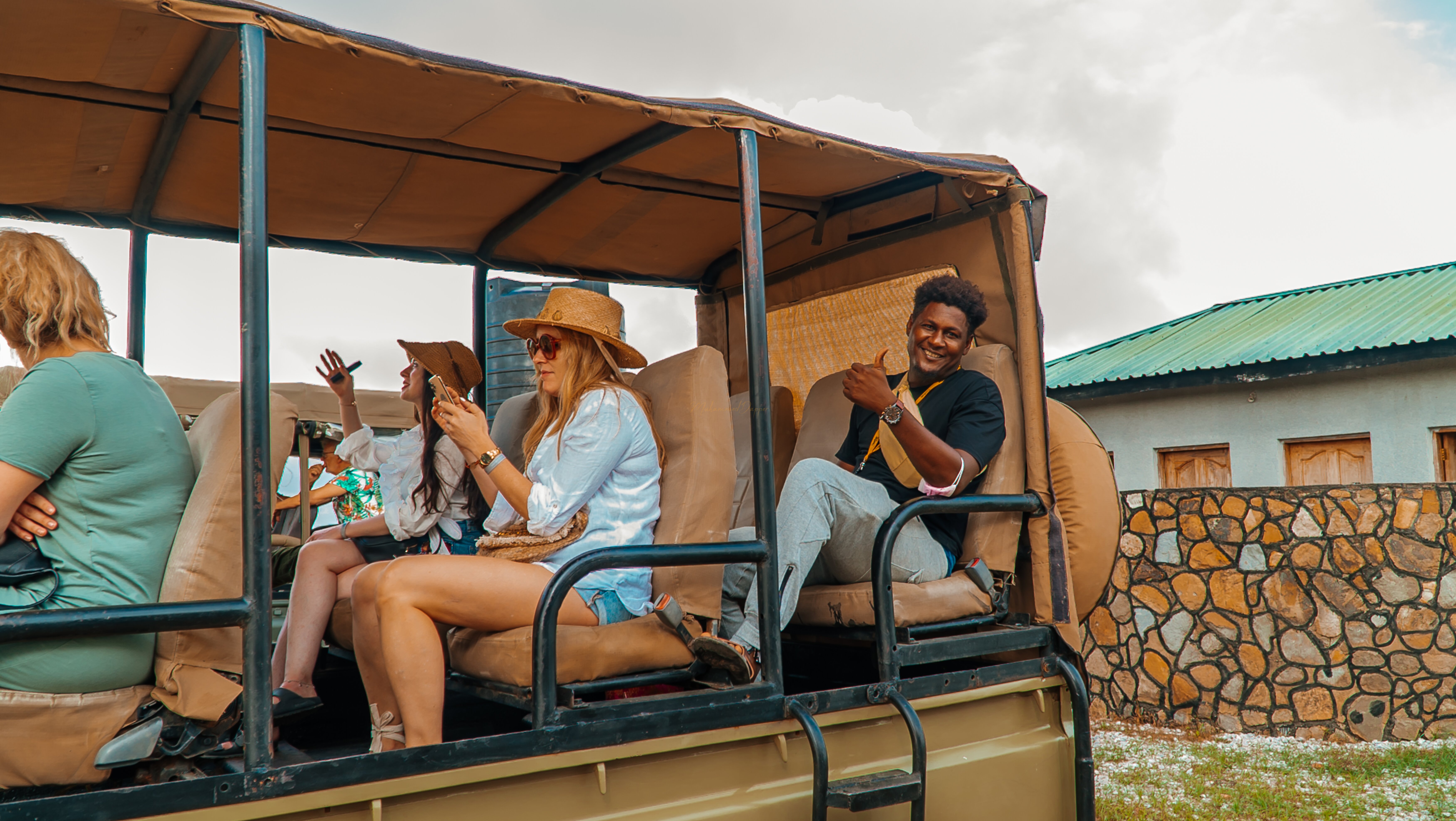
Clothing for a Mikumi Safari on the Mkata Floodplain
Neutral colours do the work here: khaki, olive, tan, soft grey. Bright white shows every speck of dust within an hour and dark navy or black draws tsetse flies, which are present in the woodland areas of the park. Camouflage patterns are restricted in Tanzania and should be left at home entirely.
Long sleeves and long trousers are more useful than shorts on most days, sun protection during the drives and insect protection in the evenings. Lightweight cotton or a breathable technical fabric beats anything heavy.
Two or three sets is plenty for a two or three night trip. Most camps run a laundry service, and several include it, so there is no argument for packing a week’s worth of clothes for a short Mikumi game drive itinerary.
One thing people forget: a change of clothes for the drive home. After two days on dusty tracks everything smells of the park.
Dust is the defining condition of a Mikumi safari, more than heat and more than rain. Pack one dry bag or a couple of large ziplock bags for cameras, phones and clean clothes, and you will notice the difference on the first afternoon.
Layers for Cool Dry Season Mornings on a Mikumi Game Drive
The dry season from June to October is the coolest part of the year, with temperatures running roughly between 15 and 30 degrees. Sitting in an open vehicle at first light in June or July is genuinely cold, and the wind chill on a moving car makes it worse.
A proper fleece or a light insulated jacket is the single most underpacked item on Mikumi trips. Visitors arriving from Zanzibar or the coast, where it never gets cold, routinely leave theirs behind and regret it before eight in the morning.
The same morning that starts at 15 degrees will hit the high twenties by eleven, so the layer has to come off easily and pack down small. A buff or light scarf helps against both cold air and dust.
If your drive takes you toward the higher ground of the Vuma Hills or the mountain foothills, mornings run cooler again.
Clothing: neutral long sleeved shirts, long trousers, a fleece or light jacket for early drives, a wide brimmed hat, a buff or scarf against dust, and something comfortable for the evenings at camp.
Footwear: closed walking shoes or light boots for drives and walking safaris, plus sandals for camp. Nothing that leaves toes exposed at the hippo pools viewing area.
Optics and camera: binoculars, a long lens if you have one, a bean bag rather than a tripod, spare batteries, spare memory cards, a blower brush and lens cloths for dust.
Health and protection: high factor sunscreen, insect repellent with DEET, antimalarials, personal medication, rehydration salts and a small first aid kit.
Footwear for Game Drives and Walking Safaris in Mikumi
Closed shoes are the sensible default. Most of your time is in a vehicle, so nothing technical is needed, but the ground you stand on at the hippo pools viewing area and the picnic sites is rough, thorny and occasionally home to things you would rather not step on barefoot.
If you plan a walking safari, which Mikumi permits with an armed ranger, bring proper walking shoes or light boots with ankle support. Walks run three to four hours over uneven ground, usually near the Mkata River corridor or the hippo pools, and grass seeds work into low socks relentlessly.
Sandals or flip flops are for camp only. Add a spare pair of socks beyond what you think you need.
Sun and Insect Protection for a Mikumi Safari
The Mkata Floodplain is open grassland with almost no shade, and the park sits close enough to the equator that the midday sun is fierce in every month. High factor sunscreen, a wide brimmed hat and sunglasses are not optional. Open vehicles give no protection at all.
Insect repellent with DEET handles mosquitoes in the evenings and helps against tsetse fly, which occur in the miombo woodland areas. Tsetse are drawn to dark blue and black, so clothing colour matters more than most people expect.
Mikumi is a malaria area. Antimalarial prophylaxis is standard advice for Tanzania and should be discussed with a doctor well before you travel rather than at the airport. A mosquito net is provided at most camps.
Long sleeves and trousers in the evening do more than any spray.
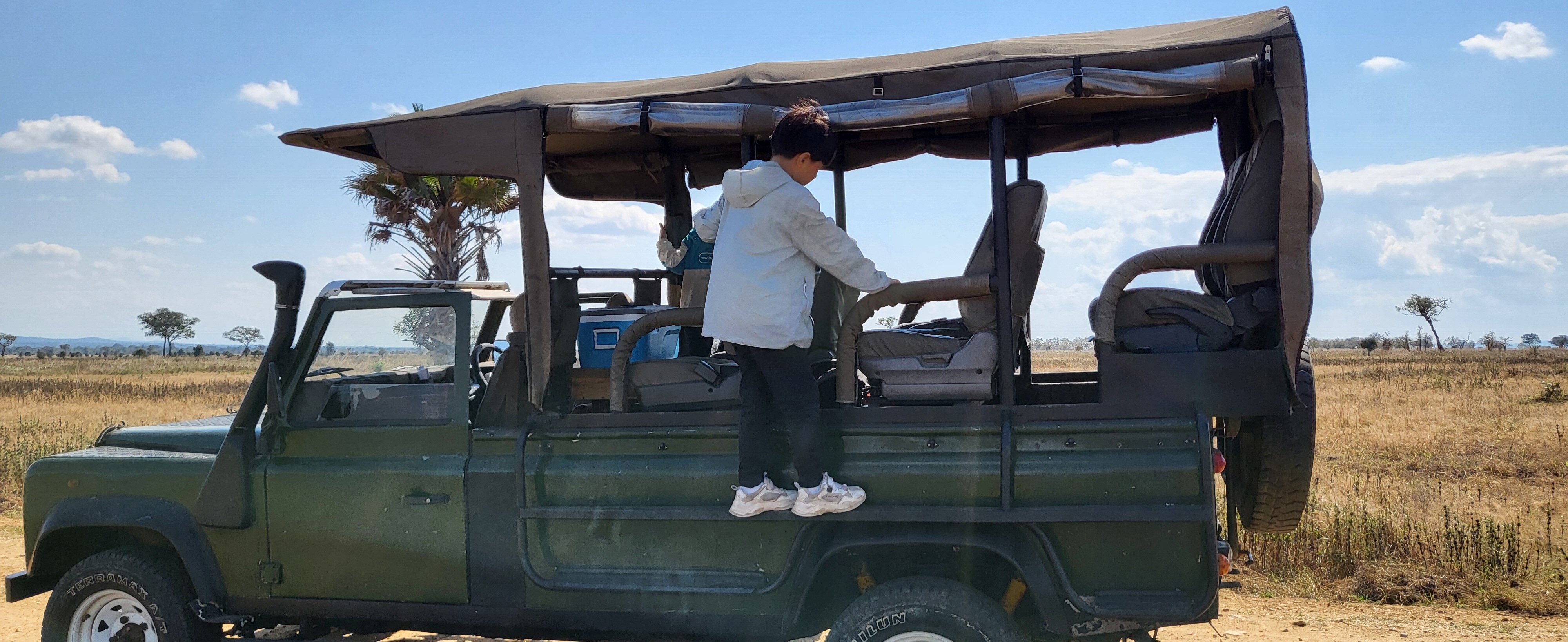
Camera Gear for a Mikumi Photography Safari
Something in the 100 to 400 range covers most of what Mikumi offers, since animals on the floodplain are frequently at middle distance rather than close. A wider lens earns its place more here than in a forest park, because the Uluguru and Rubeho ranges behind the plain are half the picture.
A bean bag beats a tripod in a vehicle every time. A polariser helps at the hippo pools and the waterholes by cutting glare off the surface.
Dust is the practical enemy. Change lenses as little as possible, carry a blower brush and lens cloths, and keep bodies in a closed bag between sightings. Bring more memory cards and batteries than you think you need, since several camps run on solar and charging is limited.
Guests at solar powered camps are usually asked to go easy on power. A portable battery pack solves that quietly.
Binoculars and Field Guides for Birdwatching Safaris in Mikumi
Bring binoculars. More than 400 bird species have been recorded in Mikumi, and a good pair transforms both the birding and the general game viewing, particularly for picking a lion off a distant termite mound.
Eight by forty two or ten by forty two suits open country like this. One pair per person rather than one per couple, because sharing wastes the sighting.
A field guide to East African birds is worth the weight if you care about names. The park mixes grassland, swamp, riverine woodland and miombo species, so the list runs wide, from lilac-breasted roller and secretary bird on the plain to Boehm’s bee-eater and Dickinson’s kestrel in the woodland.
A notebook, if you keep a list. Phone apps work but drain batteries you may need for photographs.
Health and Practical Items for a Mikumi Safari
Carry your own small kit: personal medication, painkillers, antihistamine, plasters, rehydration salts and something for an upset stomach. The nearest proper medical facilities are in Morogoro, roughly two hours from the park.
Recommended vaccinations for Tanzania typically include yellow fever, tetanus, typhoid, polio and hepatitis, and a yellow fever certificate may be requested depending on where you are arriving from. Check with a travel clinic several weeks ahead.
Bring a refillable water bottle and drink more than you feel like. Heat and dry air dehydrate people faster than they notice in a vehicle.
A torch or headlamp is genuinely useful. Camps are unfenced, paths between tents are unlit and wildlife moves through at night.
Documents, Money and Payment on a Mikumi Trip
Carry your passport. Park entry rates depend on residency status and the gate checks documents, so residents and East African citizens need proof to claim the lower tariff.
TANAPA takes payment at the main gate by Visa or Mastercard and through its online portal, and does not take cash for park fees. Bring a working card and tell your bank you are travelling. Carry some Tanzanian shillings anyway for tips, drinks, curios and anything bought outside the park.
Tips for guides and camp staff are customary and should be budgeted separately. Small denominations are more useful than large ones.
What Changes for Wet Season Safaris in Mikumi
From November to May the park is humid and hot, frequently reaching the low thirties, with the closing months of the year the most uncomfortable. Pack lighter fabrics and more of them, since nothing dries quickly in that air.
Add a light waterproof jacket and a dry bag. Rain in the short season tends to come as sharp afternoon showers rather than all day drizzle, but March and April bring the heaviest and most persistent rainfall.
Waterproof footwear or shoes you do not mind soaking are worth having, since black cotton soil turns to a heavy paste. Insects are more active, so repellent matters more. The fleece matters less.
Luggage Limits on Fly-In Safaris to Mikumi
If you are flying into Kikoboga airstrip inside the park rather than driving, luggage limits apply and they are strict. Light aircraft on Tanzanian safari routes typically cap baggage at around 15 kilograms per person in soft sided bags, hard suitcases being difficult to load.
Safari Air Link runs the scheduled service connecting Mikumi with Dar es Salaam, Zanzibar, Nyerere and Ruaha. Confirm the exact allowance with your operator, since it varies by aircraft and route.
Driving from Dar es Salaam removes the problem entirely, which is one small argument for the road transfer on a first trip.
Questions About Packing for Mikumi
Do I need a jacket for a Mikumi safari?
In the dry season from June to October, yes. Early morning temperatures drop to around 15 degrees and an open vehicle at first light is cold. A fleece or light insulated jacket that packs small is the item visitors most often leave behind and most often miss. From November to May it is far less necessary.
What colours should I avoid wearing in Mikumi?
Dark blue and black attract tsetse fly, which occur in the woodland areas of the park. Bright white shows dust immediately. Camouflage patterns are restricted in Tanzania and should not be worn at all. Neutral khaki, olive, tan and soft grey are the safe choices.
How much money should I bring to Mikumi?
Park fees are paid by card at the main gate or through the TANAPA portal rather than in cash, currently around US$30 per adult foreign non-resident per day plus roughly US$40 per day for a safari vehicle. Bring shillings for tips, drinks and purchases outside the park. Optional activities cost extra: walking safaris run about US$20 for a short walk of one to four hours and US$25 for a longer one, and night game drives around US$50 per adult non-resident.
Do I need binoculars for Mikumi?
They make a real difference. Animals on the open Mkata Floodplain are often at middle distance, and with more than 400 recorded bird species the birding rewards a decent pair. Eight or ten by forty two suits open country, and one pair per person beats sharing.
Is there a luggage limit for flights to Mikumi?
Yes, if you fly into Kikoboga airstrip. Light aircraft on Tanzanian safari routes usually cap baggage around 15 kilograms per person in soft sided bags, with hard suitcases difficult to load. Confirm the exact figure with your operator, as it varies by aircraft. Road transfers from Dar es Salaam have no such limit.
Can I do laundry in Mikumi?
Most camps offer a laundry service and some include it. Stanley’s Kopje, for example, provides complimentary laundry. That means two or three changes of clothing is enough for a two or three night trip and there is no need to pack heavy.
Booking Your Mikumi Trip
The safari companies and tour operators listed on this website put trips like this together for a living and know which camps, guides and routes actually deliver. We are an independent guide to Mikumi; we do not book or sell tours ourselves.
When you are ready, arrange your safari, tour or holiday with one of the recognised operators listed here. Tell them your dates and what matters most, and a real person, not a form, will handle the itinerary, park bookings and logistics for you.