Sunrise Safari in Mikumi National Park
A sunrise safari in Mikumi National Park means being on the Mkata Floodplain as the gates open at first light, in the hour that produces more than any other in the day. Mist lies over the grass, predators are still moving from the night, the Uluguru Mountains catch the first colour, and the temperature sits near 15 degrees in the dry season. Only guests sleeping in or beside the park can reach it. Mikumi covers 3,230 square kilometres in Tanzania’s Morogoro region.
Below is what the first hour delivers, why it cannot be substituted, and how to be ready for it.
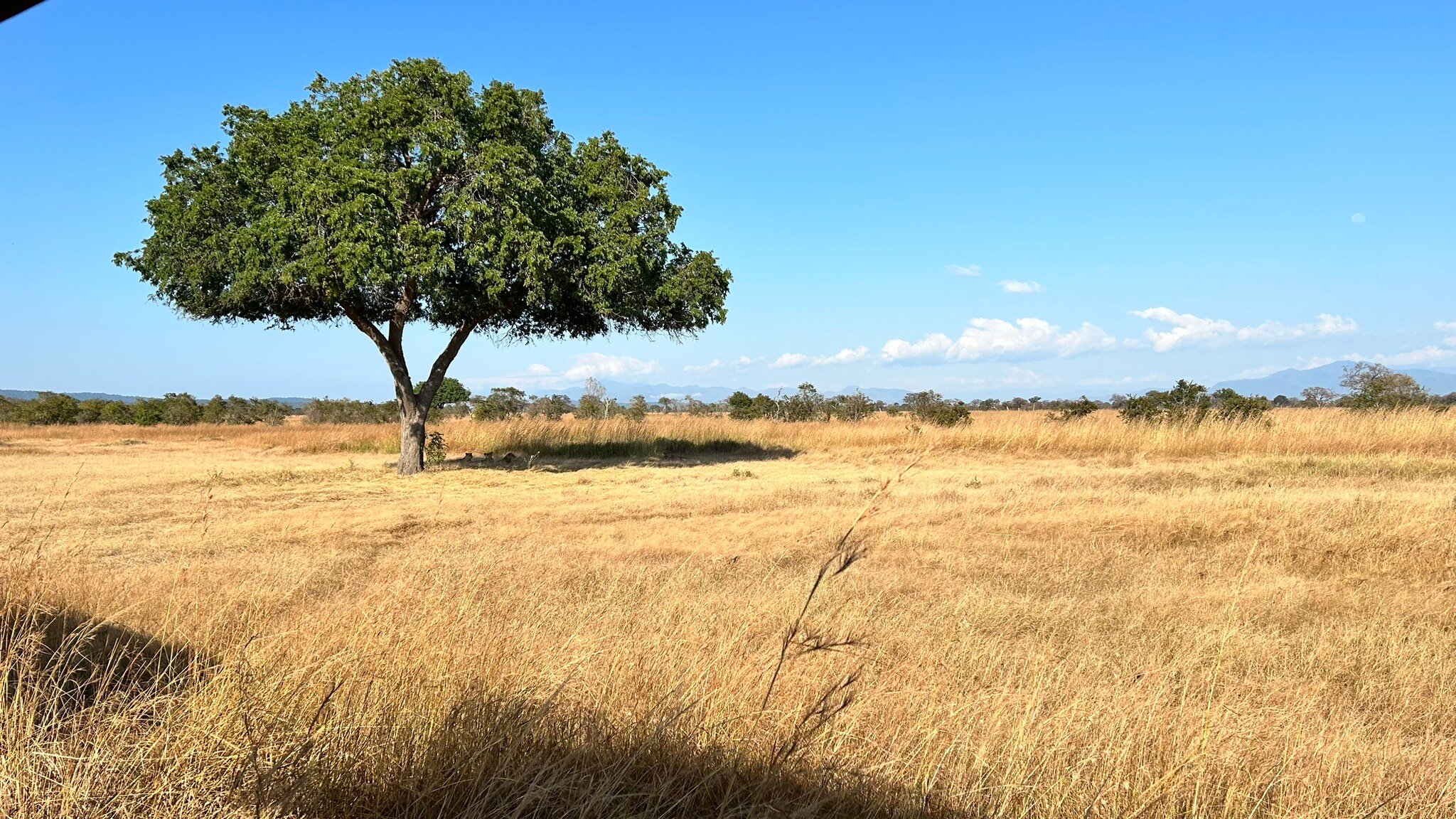
What Makes the Sunrise Hour Different in Mikumi
The park changes character between first light and about eight in the morning, and the difference is behavioural rather than aesthetic.
Nocturnal animals have not finished their night. Spotted hyena are still on the move back toward dens. Lion that hunted overnight are settling, often on the flattened tops of termite mounds where they can watch the herds. Grazers that spent the night bunched together are spreading out across the plain.
By nine or ten most of that has stopped. Heat pushes predators into whatever cover exists, the mist burns off, and the plain settles into the flat middle of the day.
The window is short and it does not repeat. An afternoon drive from four has its own merits, but it is not the same hour in reverse.
You cannot buy the sunrise hour with money, only with location. A day trip from Dar es Salaam arrives late morning whatever it costs, and a lodge outside the boundary means driving to the gate before you can use it. Sleeping inside the park is the only way in.
Mist and First Light on the Mkata Floodplain
On cool mornings, mist sits low over the grass and lifts in patches as the sun climbs, which gives the floodplain a look it holds for perhaps forty minutes and then loses entirely.
Animals emerging from it are the classic sunrise frame. Zebra at middle distance in half-cleared mist, or a giraffe silhouette above a layer that has not yet burnt off.
The Uluguru range rises to about 2,630 metres northeast of the park and takes the first light, so the mountains colour before the plain does. Facing that direction at dawn gives you the best of both.
Air is also at its clearest before dust builds. By ten in the late dry season the ridge often flattens into a grey band, so the mountain frames have to be taken early.
Dawn Chorus and Birding on a Sunrise Safari
Birds are at their most vocal and most visible in the first hour, and Mikumi has more than 400 recorded species across its habitats.
Francolin and guineafowl call from the verges. African fish eagle call from the taller trees along the Mkata River, and that sound carries a long way in still morning air. Lilac-breasted roller take their perches on low acacia along the tracks.
At the waterholes, hamerkop patrol the margins and herons work the shallows before the day warms. Bateleur and other raptors start using thermals once the ground heats, so the raptor watching improves an hour or two later.
If birding matters, ask the guide to stop for calls rather than driving through them. Engine noise removes most of what makes a dawn drive worth taking.
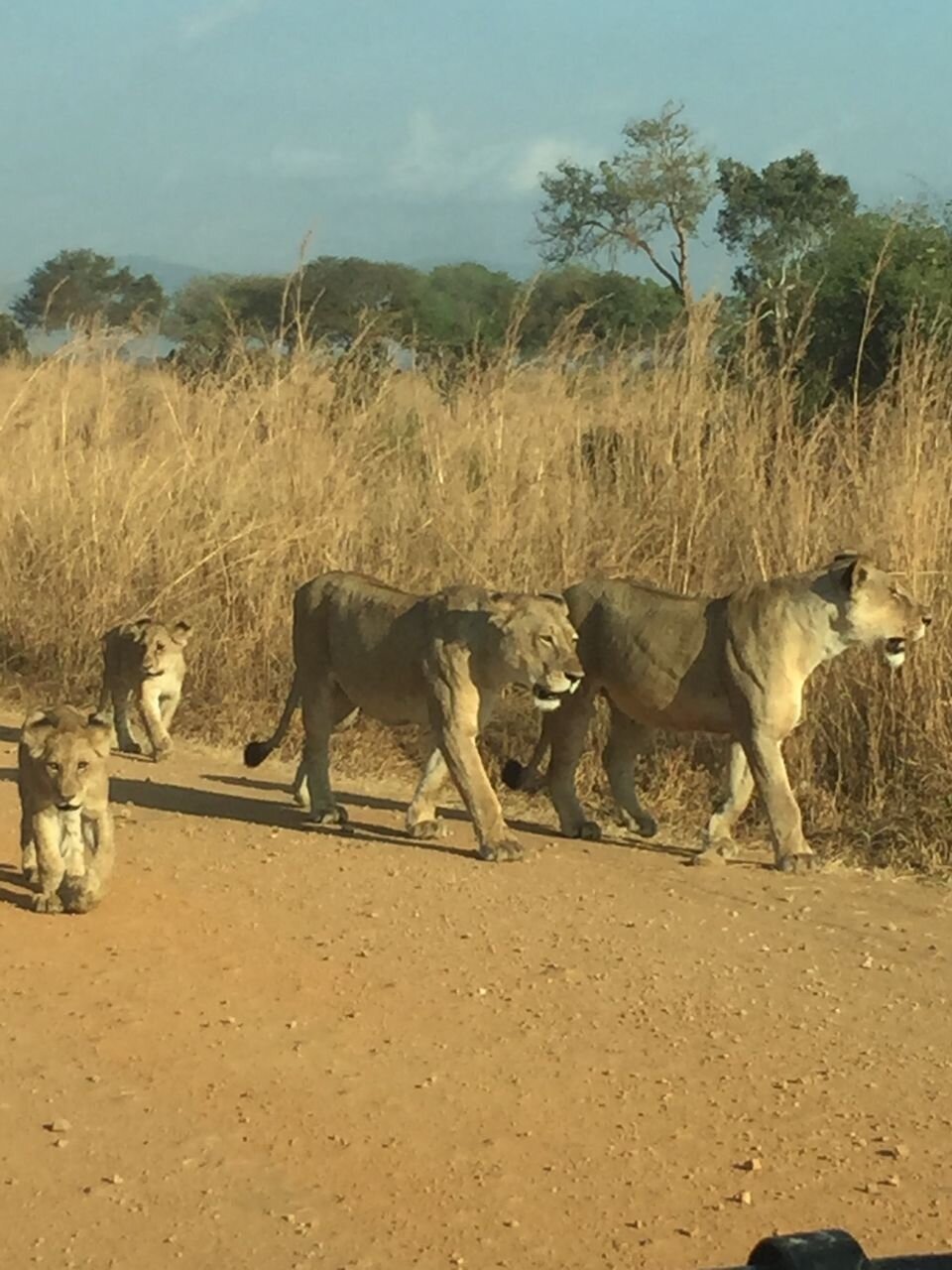
Predator Activity on a Sunrise Game Drive
The first two hours are when predators are most findable, and Mikumi has a technique that works particularly well here.
Lion use the flattened tops of termite mounds as lookouts, since a mound gives roughly a metre of extra height over grass. Work the mounds with binoculars rather than sweeping the open ground. A shape on a mound at first light is a lion far more often than it is a rock.
Spotted hyena turn up on early drives more often than at any other hour, usually heading somewhere with purpose. Black-backed jackal work the open ground.
Guides read the tracks left overnight on the graded circuit, which holds prints well in the dry season. Fresh pug marks tell you what crossed, roughly when, and in which direction, and direction matters more than the print.
Gate opening to eight in the morning is the most valuable ninety minutes available in this park. Everything else on a Mikumi itinerary is negotiable; that is not.
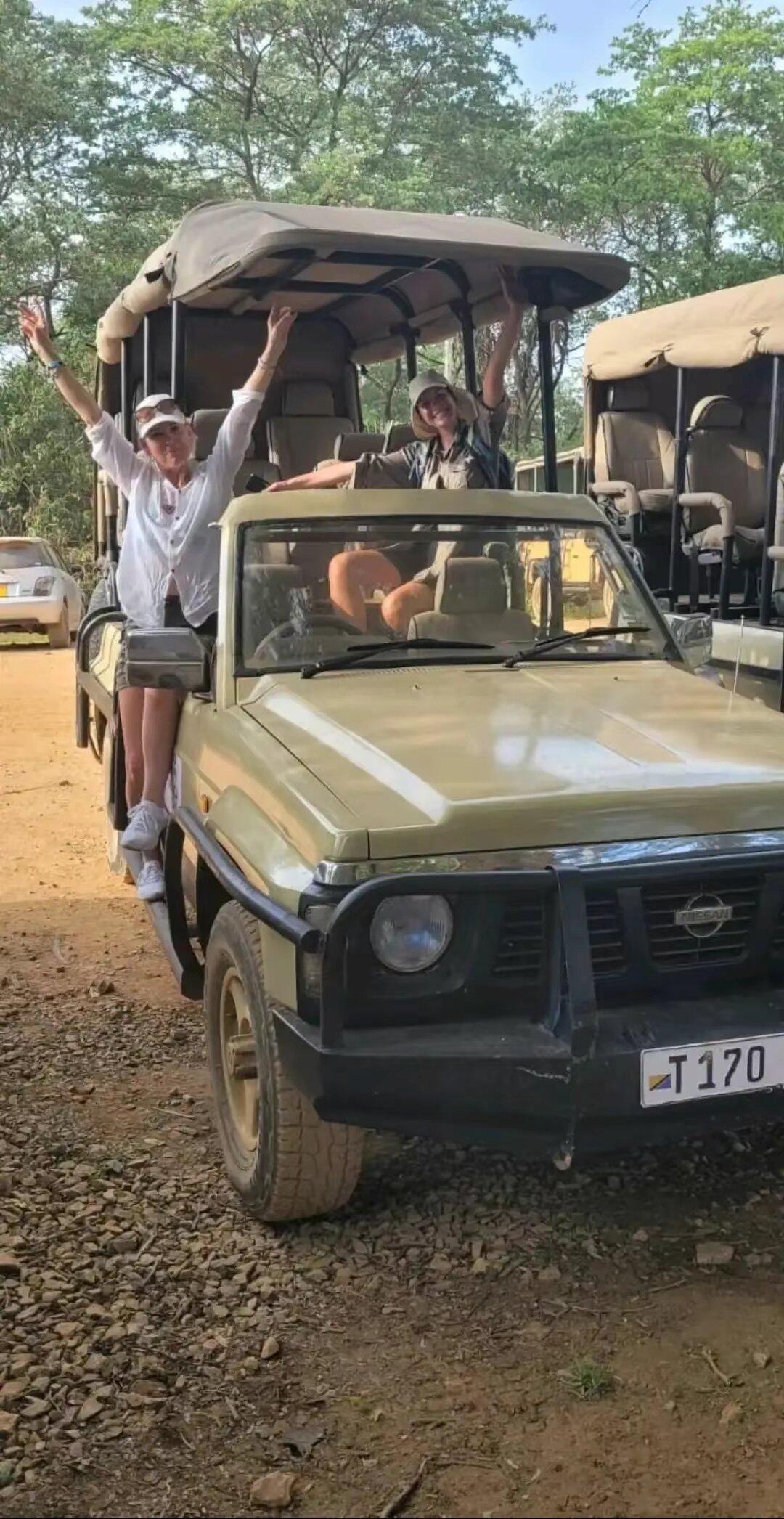
Cold Mornings and What to Wear on a Sunrise Safari
People underestimate this consistently. The dry season from June to October is the coolest part of the year, with temperatures dropping toward 15 degrees at first light, and wind chill in a moving open vehicle makes it feel considerably worse.
A fleece or light insulated jacket that packs down small is the item visitors most often leave behind and most often miss. Visitors arriving from Zanzibar or the coast, where it never gets cold, are the usual casualties.
A buff or light scarf helps against both cold air and dust. Gloves are not excessive in June and July if you will be holding a camera.
The same morning that starts near 15 degrees will be in the high twenties by eleven, so everything has to come off easily. Add a hat, sunglasses and sunscreen for the second half of the drive.
Timing a Sunrise Safari and Where to Sleep
Gates open at first light, which varies through the year but sits close to six in the morning. Camps offer coffee before departure and serve breakfast on return.
Park entry runs 24 hours from the moment you clear the gate, so an in-park camp keeps that clock running overnight and puts you on the circuit at opening. Sleeping outside the boundary near Mikumi town means driving to the gate first and paying entry again, which costs you exactly the hour you came for.
Stanley’s Kopje sits on a rocky kopje above the Mwanamboga waterhole in ground guides rate as the park’s strongest, though it closes through the wettest months. Mikumi Wildlife Camp near park headquarters is minutes from the hippo pools. Vuma Hills sits in the southwestern hills and stays open year round.
All three are unfenced, so the sounds that wake you before your alarm are part of the arrangement.
Combining a Sunrise Safari With a Bush Breakfast
Some camps will send you out with breakfast rather than hold it until you return, which extends the good hours rather than cutting them short.
Bush meals are among the activities offered in Mikumi, along with day and night game viewing, walking safaris, birding, photography and picnicking. A breakfast taken in the park at eight or nine keeps you out through the mid-morning window when elephant and buffalo come to drink.
The alternative, driving back to camp at eight for a table breakfast, means arriving at the waterholes after the best of the drinking has finished.
Arrange it in advance so the kitchen can prepare. Eating in the park is restricted to designated picnic areas, and baboons will raid an unattended spread.
Best Season for a Sunrise Safari in Mikumi
June to October gives the strongest sunrise drives, with the coolest mornings, the clearest air and firm tracks. September and October are the peak for what you will find, since the grass is shortest and animals concentrate at the last water.
Mist is most likely in the cooler months, which is worth knowing if that is the image you want.
From November to May, mornings are warmer and more humid, grass rises past a metre and animals disperse. The dawn chorus improves as migrants arrive between November and April, so a sunrise drive in the green season is better for birds than for big game.
June to October: best sunrise drives. Cold at first light, clear air, mist on the grass, short vegetation and predators findable on termite mounds.
November to February: warm humid dawns, green plains and a much fuller dawn chorus as migrants arrive. Big game harder to locate in rising grass.
March to May: heaviest rain, tallest grass and poorest track conditions. Sunrise drives still run but cover less ground.
Questions About Sunrise Safaris in Mikumi
What time does a sunrise safari start in Mikumi?
At gate opening, which falls at first light and sits close to six in the morning depending on the time of year. Camps provide coffee beforehand. Drives typically run three to four hours, returning for a late breakfast, or continue into a full day with a packed meal.
Does a sunrise safari cost extra in Mikumi?
No. Park entry is charged per person per day rather than per drive, currently around US$30 per adult foreign non-resident and about US$10 for children aged 5 to 15, with a vehicle fee near US$40 per day. Entry runs 24 hours from when you enter, so a night in the park covers the following sunrise.
Can I do a sunrise safari as a day visitor from Dar es Salaam?
No. The road transfer takes four to five hours, so even a five in the morning departure from the coast reaches the gate by late morning. A sunrise drive requires sleeping in or immediately beside the park, and sleeping inside is what puts you on the circuit at opening.
How cold does it get on a sunrise game drive?
Temperatures can drop toward 15 degrees at first light in the dry season between June and October, and wind chill in a moving open vehicle makes it feel colder. A fleece or light jacket that packs small is the item most visitors wish they had brought. From November to May it matters far less.
What will I see on a sunrise safari in Mikumi?
Zebra, impala, warthog, giraffe and baboon are near certain. Spotted hyena turn up on early drives more often than at other times, and lion are most findable in this hour, often on termite mounds. Birds are at their most vocal. Sightings are good rather than guaranteed.
Can I have breakfast in the park on a sunrise safari?
Yes, if arranged in advance. Bush meals are among the activities available in Mikumi, and a breakfast taken in the park keeps you out through the mid-morning window when elephant and buffalo come to drink. Eating is restricted to designated picnic areas, and baboons raid unattended food.
Booking Your Mikumi Trip
The safari companies and tour operators listed on this website put trips like this together for a living and know which camps, guides and routes actually deliver. We are an independent guide to Mikumi; we do not book or sell tours ourselves.
When you are ready, arrange your safari, tour or holiday with one of the recognised operators listed here. Tell them your dates and what matters most, and a real person, not a form, will handle the itinerary, park bookings and logistics for you.