Morning Game Drive in Mikumi National Park
A morning game drive safari in Mikumi National Park runs from first light for three to four hours across the Mkata Floodplain, and it is the most productive part of the safari day. Predators are still moving, the air is cool, and the light across the grass is at its best before dust builds. Most drives take in the hippo pools five kilometres north of the main gate and one or two waterholes on the 60 kilometre circuit. Mikumi sits in Tanzania’s Morogoro region, four to five hours from Dar es Salaam.
Below is what a morning drive actually involves, hour by hour, and how to make the most of it.
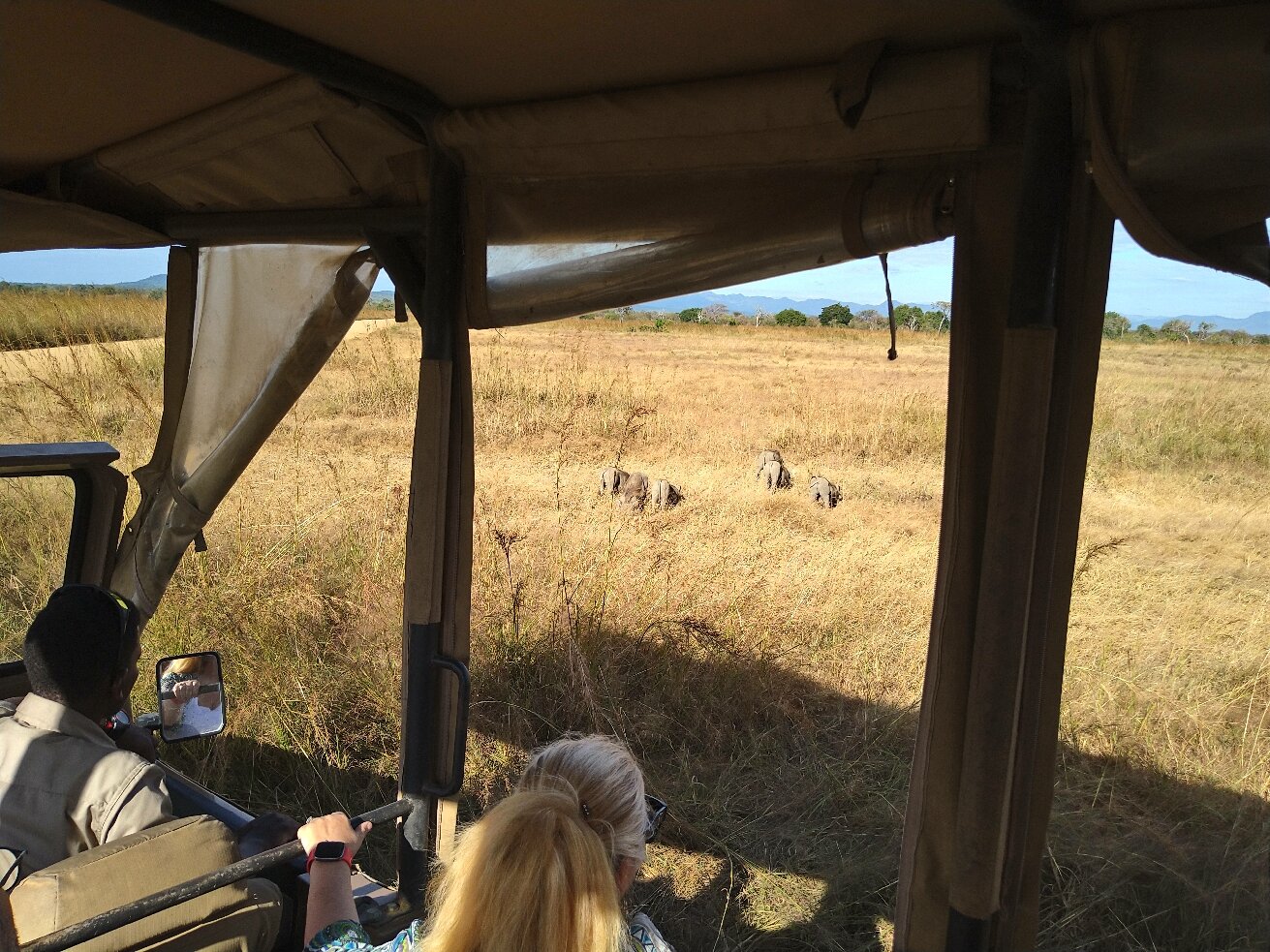
What a Morning Game Drive Safari in Mikumi Involves
The standard shape is simple. You leave camp at or just before first light, drive for three to four hours with stops, and return for a late breakfast or brunch. Some itineraries run a full day drive with a packed lunch instead.
Vehicles are usually extended Land Cruisers with a pop top roof, which gives standing room for photography and shade later in the morning. A guide drives and spots, and on a private drive you set the pace.
Almost all of it happens on the Mkata Floodplain northeast of the Tanzam highway, on a graded circuit of roughly 60 kilometres with loops that branch and rejoin. Roughly four fifths of the park lies south of the road and is not used for ordinary drives.
If you are staying outside the park boundary near Mikumi town, add the drive to the gate and a fresh entry fee to the front of all this.
Sleeping inside the park is what buys you the first hour. Park entry runs 24 hours from when you clear the gate and keeps covering you overnight, so an in-park camp puts you on the circuit at opening rather than driving toward it.
Starting a Morning Game Drive at First Light
Gates open at first light and the first two hours are the most productive of the twenty four. That is not a marketing line about golden hour; it is about animal behaviour.
Nocturnal species have not finished their night. Predators are still moving before the heat arrives. Herbivores that spent the night bunched together are spreading out to graze. By nine or ten much of that has stopped.
It is also cold. The dry season from June to October is the coolest part of the year, with temperatures dropping toward 15 degrees at first light, and wind chill in a moving open vehicle makes it feel worse. A fleece is the item visitors most often wish they had packed.
Coffee before departure is standard at most camps. Breakfast usually waits until you return.
Predator Tracking on an Early Morning Mikumi Safari
The first hour is when lion are most findable, and Mikumi has a specific technique that works here.
Lion on the Mkata Floodplain use the flattened tops of termite mounds as lookouts over the herds, since a mound gives roughly a metre of extra height over grass. Work the mounds with binoculars rather than sweeping the open ground. A shape on top of a mound at first light is a lion far more often than it is a rock.
Sightings are regular rather than daily. Guides describe lion here as occasional rather than abundant, and September and October give the best odds because the grass is at its shortest.
Spotted hyena turn up on early drives more often than at any other time, often heading back toward a den. Leopard are present and genuinely rare, favouring the acacia and sausage trees along the Mkata River.
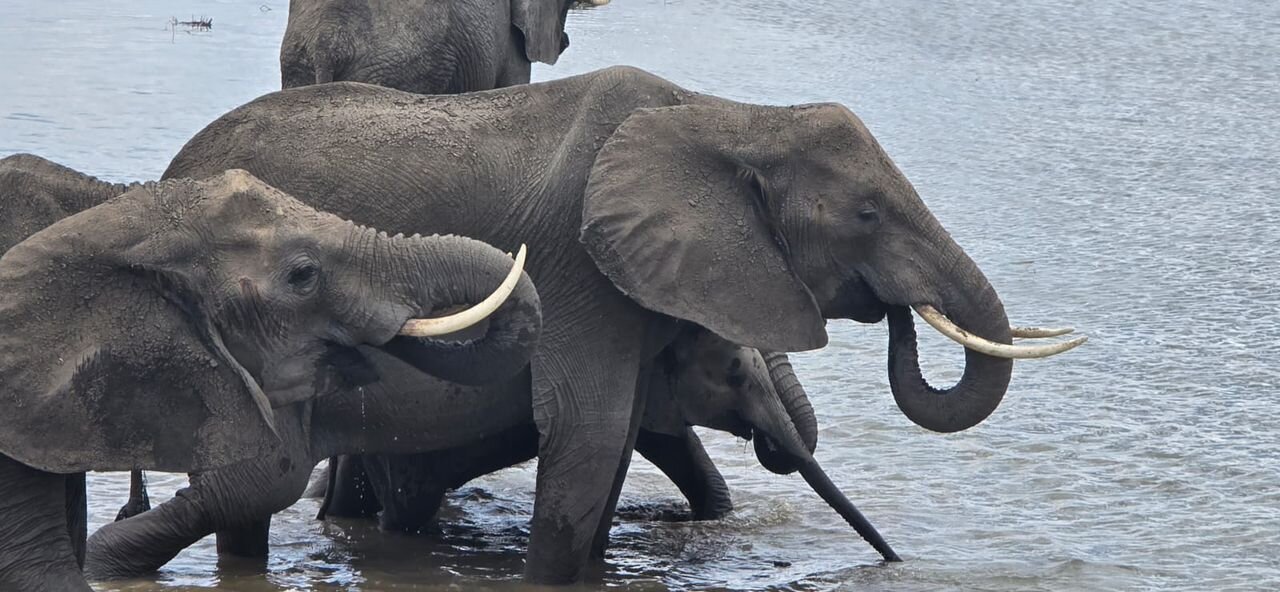
Mid Morning at the Waterholes on a Mikumi Game Drive
The second half of a morning drive belongs to water. Elephant and buffalo most often come to drink between about nine and eleven, which is why a slow circuit that reaches the waterholes mid morning frequently beats one that rushes there at dawn and leaves.
The Mkata and Chamgore waterholes are the two named stops on the circuit. Mwanamboga sits below the rocky kopje where Stanley’s Kopje camp is built, in ground guides consistently rate as the park’s best.
Park, cut the engine, and wait thirty or forty minutes. Animals that faded away when you arrived come back once the noise stops, and the interesting behaviour usually starts after the first ten minutes.
Elephant will drink at length and then throw mud across their backs. Buffalo come in tight groups and leave quickly. Zebra, wildebeest, impala and waterbuck cycle through all morning.
The single best instruction you can give a guide on a morning drive is to switch off and wait. The second best is not to ask him to move again for half an hour.
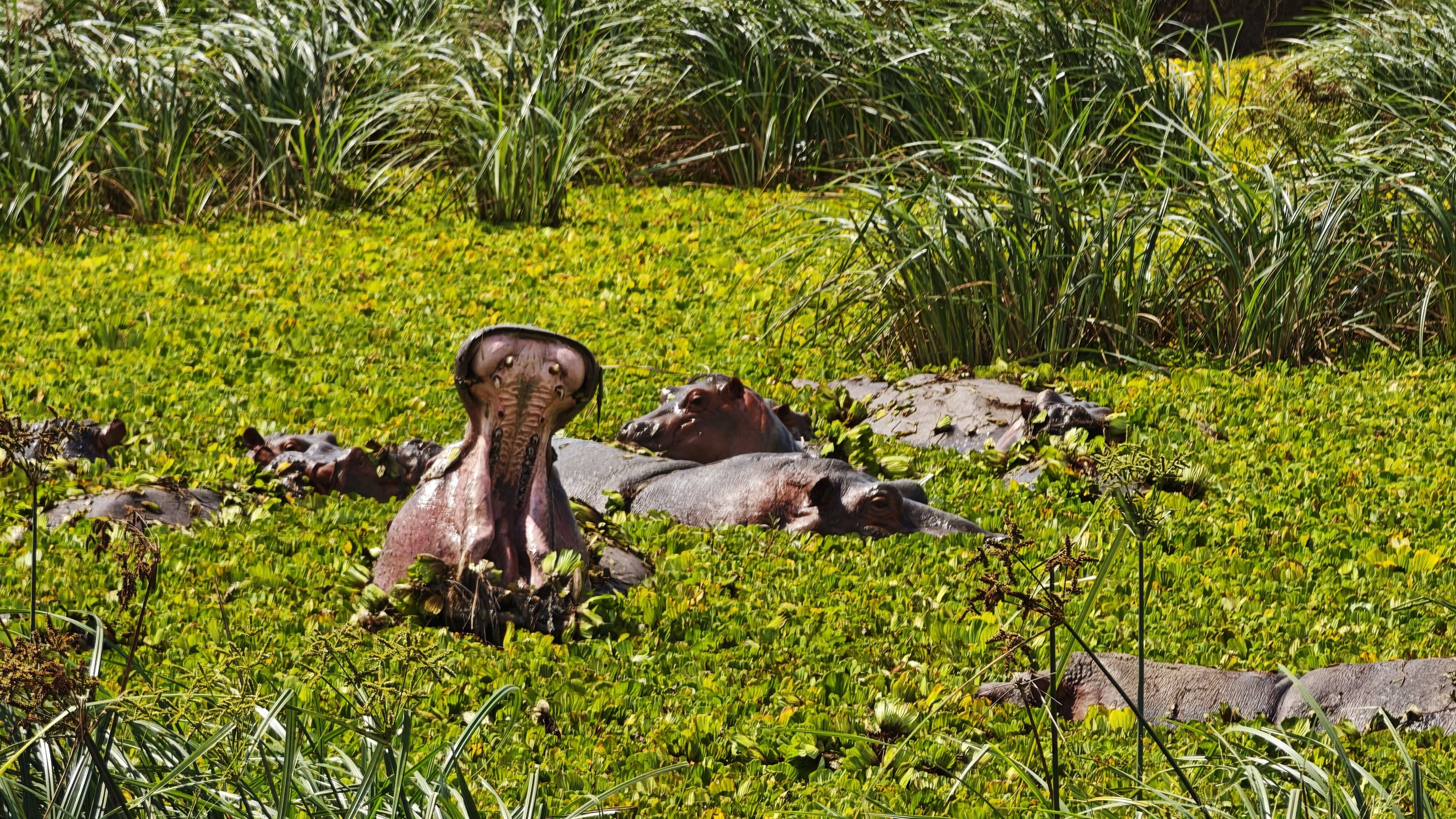
The Hippo Pools on a Morning Safari Circuit
Two permanent pools about five kilometres north of the main gate hold hundreds of hippo along with Nile crocodile, and they appear on virtually every morning circuit.
There is a timing quirk worth knowing. Hippo graze at night, sometimes walking several kilometres, and return to the water before first light. They stay in the pools through the middle of the day, so late morning shows more animals than dawn does.
A designated viewing area lets you leave the vehicle, which is uncommon in Tanzanian parks, with toilets and a picnic spot alongside. Stay inside the marked zone and follow ranger instructions, since hippo are dangerous when anyone gets between them and their water.
Open-billed storks gather around the animals in flocks, working the mud they churn up. Crocodile haul out onto the bank on cooler mornings to warm.
Birdwatching on a Morning Game Drive in Mikumi
Birds are at their most vocal and most visible early, and Mikumi has more than 400 recorded species across grassland, swamp, riverine woodland and miombo.
On the open plain, look for lilac-breasted roller on low acacia branches, yellow-throated longclaw in the grass, black-bellied bustard standing in the stems, secretary bird stalking through on long legs and guineafowl running ahead of the vehicle.
Bateleur eagle quarter overhead with that distinctive tailless silhouette. African fish eagle call from the taller trees along the river, and the call carries a long way in the morning air.
At the waterholes, saddle-billed stork work the shallows, hamerkop patrol the margins and malachite kingfisher hunt from reed stems. From November to April, European and North African migrants swell the numbers considerably.
Photography on an Early Mikumi Game Drive
Morning light works toward the Uluguru Mountains, which rise to about 2,630 metres northeast of the park, and the ridge holds its definition before haze builds around ten.
Use that. Mikumi sits in a basin ringed by mountains, so a wide lens earns its place here in a way it would not in a forest park. Placing a giraffe or a line of buffalo small in the frame against the ridge says more about the place than a tight portrait does.
Rest the lens on a bean bag rather than a tripod, shoot from the lowest window rather than standing out of habit, and ask the driver to cut the engine at sightings, since vibration causes more soft images than anything else.
Change lenses as little as possible. Dust on the graded tracks is relentless.
What to Wear on a Morning Game Drive in Mikumi
Layers, in neutral colours. Khaki, olive, tan and soft grey work. Dark blue and black attract tsetse fly in the woodland areas, bright white shows dust within an hour, and camouflage patterns are restricted in Tanzania.
A fleece or light jacket that packs away small is the key item for a dry season morning, along with a buff or scarf against both cold air and dust. The same morning that starts near 15 degrees will be in the high twenties by eleven.
Closed shoes, a wide brimmed hat and sunglasses for later in the drive. Sunscreen, because the floodplain has no shade at all and open vehicles offer none either.
Binoculars, ideally one pair per person rather than one per couple.
Best Months for a Morning Game Drive Safari in Mikumi
June to October is the dry season and the strongest window, with September and October the peak, when water is scarcest and the grass shortest. These are also the coolest months, which keeps animals active later into the morning.
From November to May, water lies across the whole plain, animals disperse and grass grows past a metre. Morning drives still run and birding improves, but big game becomes considerably harder to find. March and April bring the poorest track conditions.
June to October: best morning drives of the year. Cold at first light, animals concentrated at water by mid morning, clear views toward the mountains.
November to February: green plains, migrant birds in numbers, hot and humid mornings. Better for birding than for big game.
March to May: tall grass, wet ground and slow going, with some tracks impassable. Fewest visitors and the hardest morning drives.
Booking a Morning Game Drive in Mikumi
Morning drives are included in most safari packages rather than booked separately. If you are staying at an in-park camp such as Vuma Hills, Stanley’s Kopje or Mikumi Wildlife Camp, the camp runs them.
The main gate sits on the Tanzam highway roughly 283 to 300 kilometres from Dar es Salaam. Anyone driving up on the morning of a drive will not make first light, which is the argument for arriving the day before.
Walking safaris occupy the same early slot and need booking in advance, so choose between them rather than trying to fit both into one morning.
Questions About Morning Game Drives in Mikumi
What time does a morning game drive start in Mikumi?
At or just before first light, when the park gates open. Most camps offer coffee beforehand and serve breakfast on return. Drives run three to four hours, though some itineraries extend into a full day drive with a packed lunch.
How much does a morning game drive in Mikumi cost?
Drives are usually included in a safari package rather than priced separately. The underlying charges are park entry at around US$30 per adult foreign non-resident per day and about US$10 for children aged 5 to 15, plus a vehicle fee of roughly US$40 per day for a six to twelve seat safari vehicle. Entry runs 24 hours from when you enter, so an overnight stay inside the park covers the following morning.
What will I see on a morning game drive in Mikumi?
Impala, zebra, warthog, giraffe and baboon are near certain. Buffalo, wildebeest, eland and elephant are common in the dry season, particularly at the waterholes mid morning. Lion are seen regularly rather than daily, often on termite mounds. Hippo and crocodile are reliable at the pools. Leopard and wild dog are rare.
Is a morning drive better than an afternoon drive in Mikumi?
Mostly yes, for predators and for light. The first two hours after gates open are the most productive of the day. Afternoons pick up from around four and have their own merits, particularly for evening light toward the Rubeho mountains, but the morning window is the stronger of the two.
Do I need warm clothing for a morning game drive?
In the dry season from June to October, yes. Temperatures drop toward 15 degrees at first light and wind chill in a moving vehicle makes it feel colder. A fleece or light jacket that packs small is the item visitors most often leave behind and most often miss. From November to May it matters far less.
Can I do a morning drive as a day visitor from Dar es Salaam?
Not realistically. The drive from the coast takes four to five hours, so leaving at five in the morning puts you at the gate by late morning with the best of the day gone. One night in or beside the park is what buys you a genuine first light start.
Booking Your Mikumi Trip
The safari companies and tour operators listed on this website put trips like this together for a living and know which camps, guides and routes actually deliver. We are an independent guide to Mikumi; we do not book or sell tours ourselves.
When you are ready, arrange your safari, tour or holiday with one of the recognised operators listed here. Tell them your dates and what matters most, and a real person, not a form, will handle the itinerary, park bookings and logistics for you.