How Many Days Do You Need in Mikumi?
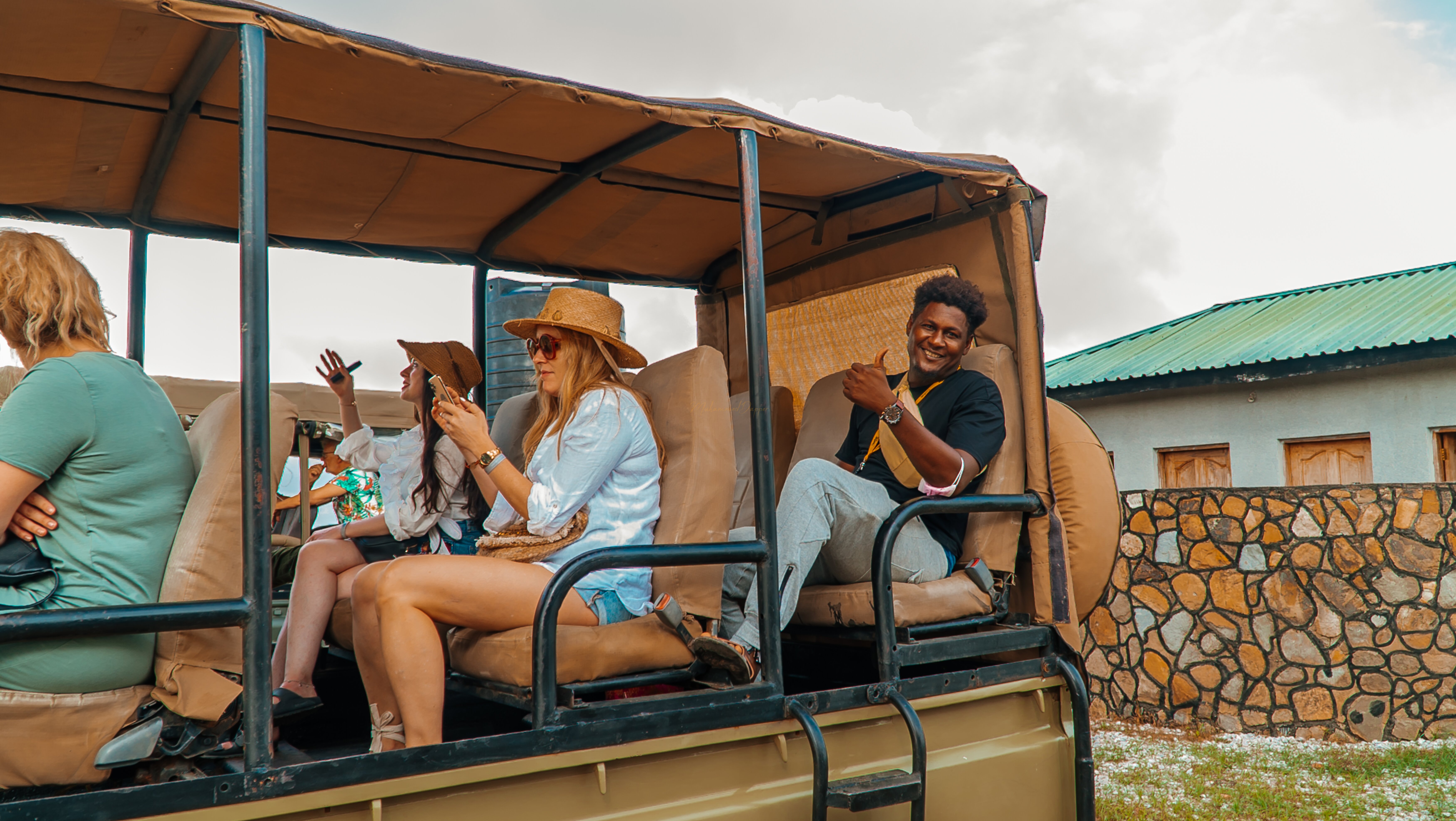
Two nights is the right length for most people on a Mikumi safari, giving a full day on the Mkata Floodplain circuit plus a sunrise drive on either side of it. One night works and is the most common booking from Dar es Salaam. A day trip is possible because the park sits only four to five hours from the coast, and three nights lets you add the miombo woodland and a night drive. Mikumi covers 3,230 square kilometres in Tanzania’s Morogoro region.
Below is what each length actually delivers, and where the extra day earns its cost.
The Short Answer on Mikumi Safari Length
Mikumi’s game viewing circuit is about 60 kilometres of graded track across the floodplain, which sounds small until you drive it properly. Done slowly with real stops at the waterholes and the hippo pools, that circuit fills a full day and leaves loops uncovered.
Two nights gives you three drives: an afternoon on arrival, a full day, and a morning before departure. That covers the floodplain thoroughly and leaves room for one thing beyond it, whether that is the woodland toward the Vuma Hills, a walking safari or a night drive.
One night gives you two drives and covers the core. Three nights gives you the park properly, including a second morning in the miombo where sable and kudu live.
The single most valuable hour in Mikumi is the one just after the gates open at first light. A day trip from Dar es Salaam cannot buy that hour at any price. One night can, which is why the jump from day trip to overnight matters more than any later addition.
One Day Safaris: Mikumi as a Day Trip From Dar es Salaam
Mikumi is the only Tanzanian national park where a same-day return from Dar es Salaam is genuinely practical, and plenty of operators sell it.
The shape is fixed. Leave the city around five in the morning, reach the gate by late morning, drive through the middle of the day, break for lunch at the hippo pools picnic area, take a shorter afternoon drive and start back by two or three to reach the coast in the evening.
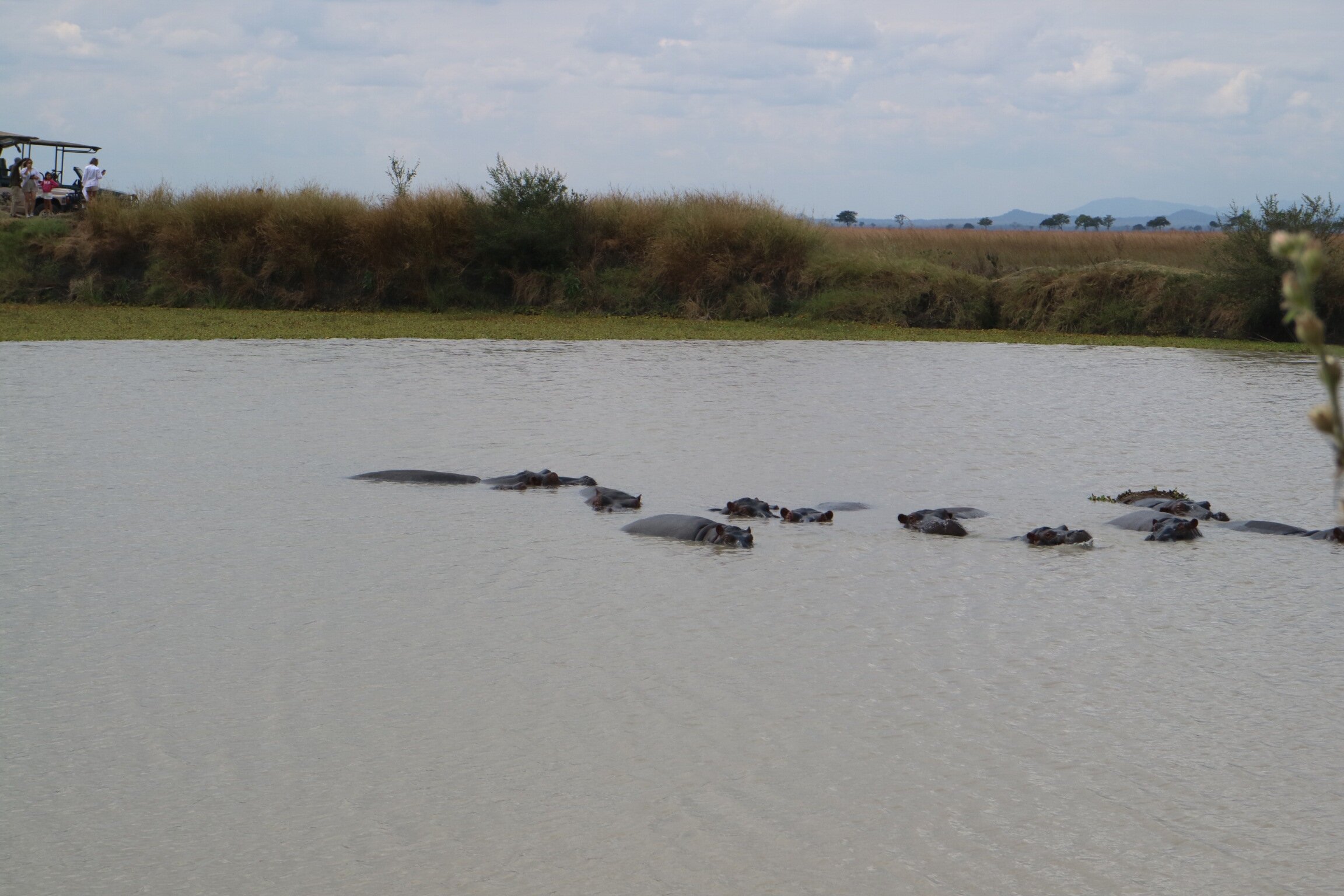
What you get is real. The hippo pools sit five kilometres from the main gate, and hippo are in the water through the middle of the day, so the timing suits them perfectly. Zebra, impala, giraffe, warthog and baboon are commonly seen. Elephant and buffalo come to water mid-morning.
What you lose is dawn and dusk, the two most productive windows of the day. You also pay a full day of park entry and vehicle fees regardless, so the saving is on the bed alone.
Two Day Mikumi Safaris With One Night in the Park
This is the most common Mikumi booking and it fixes the day trip’s central weakness.
Typically you leave Dar es Salaam in the morning, arrive early afternoon, take an evening game drive as the temperature drops and the light improves, then sleep inside or beside the park. The next morning starts at first light on the floodplain, runs through until mid-morning, and you head back to the coast after lunch.
Two drives, one of them at the best hour of the day. For a first taste of a Tanzanian safari, or for someone with a spare 48 hours between work commitments, this is a sensible use of the time.
The catch is that half of it is spent in a vehicle on tarmac. Nine or ten hours of driving for roughly six hours of game viewing is the honest arithmetic.
Three Day Mikumi Safaris and What the Extra Day Buys
Adding a second night changes the trip from a taste into a proper visit. Three days gives you two full mornings, a full day in the middle and an afternoon, which is enough to work the floodplain circuit in different directions rather than repeating the same loop.
The second morning is where the real gain sits. Predator sightings in Mikumi are regular rather than certain, and two attempts at first light roughly doubles your odds on lion compared with one.
It also opens the woodland. Sable antelope and greater kudu hold to the miombo foothills toward the Vuma Hills rather than the open plain, and reaching them costs a half day that a two night trip cannot spare. Itineraries that stay on the floodplain miss both species entirely.
A three day trip also fits a walking safari or a night drive without cutting into game drive time.
Two nights covers Mikumi. Three nights covers Mikumi and gives you the animals that most short visitors go home without having seen.
Four Days or More: Combining Mikumi With Udzungwa and Nyerere
Beyond three nights, most people stop adding days in Mikumi and start adding parks, and the geography supports that.
Udzungwa Mountains National Park lies a short drive southwest and is completely different in character, built around forest walks, waterfalls and primates rather than game drives. Two nights there alongside two in Mikumi makes a well balanced week.
Nyerere National Park, formerly the Selous Game Reserve, borders Mikumi to the south and is around two hours away. It is larger, wilder and offers boat safaris on the Rufiji, which Mikumi cannot match.
Ruaha sits roughly 320 kilometres further along the A7, about six hours by road, or a short flight from Kikoboga airstrip. A classic southern circuit runs Mikumi first, then Ruaha, using Mikumi as the accessible entry point rather than the main event.
Day trip: one midday drive, the hippo pools and the plains nearest the gate. Ten hours of driving. Works if it is all you have.
Two nights: three drives including two at first light, the full floodplain circuit and room for one extra activity. The best value length for most visitors.
Four nights plus: Mikumi combined with Udzungwa or Nyerere, or used as the first stop on a longer southern circuit running through to Ruaha.
How Park Fees Shape the Length of a Mikumi Safari
Entry is charged per person per day, so length has a direct cost that people underestimate. A third day costs more than a third of a three day trip once fees, vehicle charges and an extra night’s bed are added.
The 24 hour rule matters here. Entry runs for 24 hours from the moment you clear the gate rather than from midnight, and if you sleep inside the park that clock keeps covering you. Sleep outside the boundary and you pay again on re-entry each morning, which quietly adds a full day of fees to a two night trip.
That is the main argument for staying inside the park in spite of the higher room rates. Run the numbers on a three night trip and the gap between an in-park camp and a cheaper lodge in Mikumi town narrows considerably.
Fitting Walking Safaris and Night Drives Into Your Days
Mikumi is one of the few southern circuit parks where guided walking is permitted, and a walk takes three to four hours in the early morning with an armed ranger. That eats the same slot as your best game drive, which is why it needs a spare morning rather than a squeezed one.
Night drives run roughly eight until eleven in the evening, require an armed ranger and a vehicle fitted for the purpose, and turn up genet, civet, bushbaby and occasionally a hunting leopard. They do not compete with daylight drives for time, but they do make the following morning harder.
Both need booking in advance rather than arranging on arrival. On a one night trip you can fit a night drive. Fitting a walking safari too realistically needs three nights.
How the Season Changes How Many Days You Need
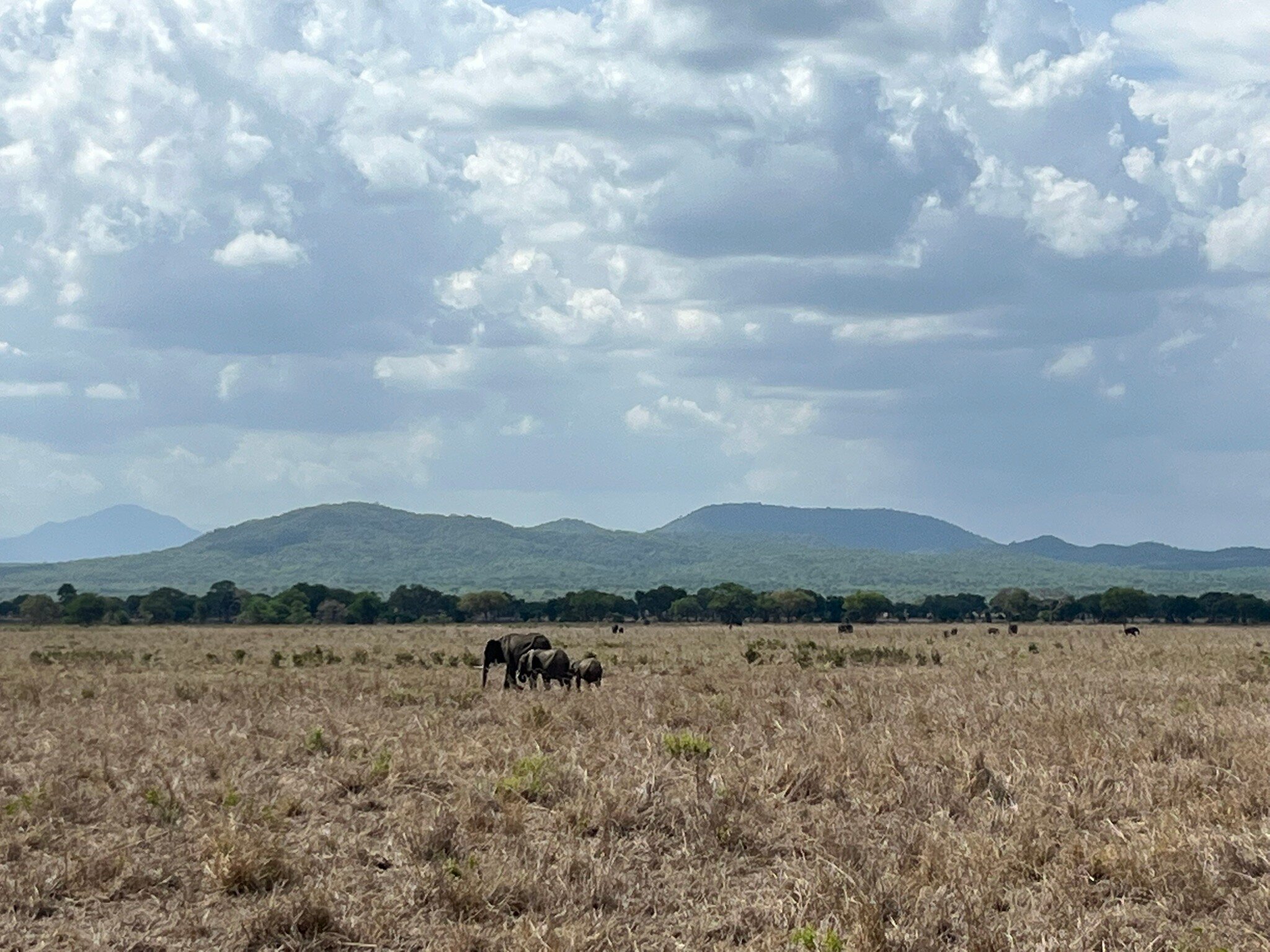
In the dry season from June to October, animals concentrate on the last remaining water and sightings come faster. September and October are the strongest weeks. Two nights in October covers more ground than three nights in April.
In the wet season, water lies everywhere, grass grows past a metre and animals disperse. Finding things takes longer, which is an argument for an extra night rather than fewer. March and April also bring track conditions that slow every drive down.
If your dates fall in the rains and you want a fair chance at the park, budget three nights rather than two.
Getting to Mikumi and Planning Your Arrival Day
Mikumi’s main gate sits on the Tanzam highway 283 to 300 kilometres from Dar es Salaam, four to five hours by road via Morogoro. Gates close at six in the evening and late arrivals are turned away regardless of prepayment, so an arrival day needs slack built in.
Leaving the city between five and six in the morning gets you to the gate by late morning and preserves a drive on arrival day, which adds most of half a day to a short trip. A departure at eight does not.
Kikoboga airstrip inside the park handles light aircraft, with Safari Air Link connecting Dar es Salaam, Zanzibar, Nyerere and Ruaha. Flying buys back most of a day and costs several times a road transfer.
Questions About How Long to Spend in Mikumi
Is one day enough for Mikumi National Park?
It is enough to see the hippo pools and a good stretch of the floodplain, and plenty of people do exactly that from Dar es Salaam. What one day cannot give you is the first hour after sunrise or the last before the gates close, which are the two most productive windows. One night solves that for the cost of a bed.
How much does a two or three day Mikumi safari cost?
Budget group trips from Dar es Salaam typically run US$300 to US$500 per person for two days including transport, a modest lodge, park fees and drives. Midrange private trips over two or three days more often sit between US$600 and US$1,000 per person. In-park tented camps push it higher, with Vuma Hills tents from around US$150 per person per night full board and game packages from about US$250.
Is it cheaper to sleep outside the park?
Room rates in Mikumi town are considerably lower, but park entry is charged per person per day and valid 24 hours from the moment you enter. Sleeping outside means paying again each morning, currently around US$30 per adult foreign non-resident plus the vehicle fee. Over three days that erodes much of the saving.
Can I combine Mikumi with another park in a week?
Comfortably. Udzungwa Mountains is a short drive southwest and offers forest walks and waterfalls, Nyerere National Park is about two hours south with boat safaris on the Rufiji, and Ruaha is roughly six hours further or a short flight. Two nights in Mikumi plus two or three elsewhere makes a well balanced week.
How many game drives will I get in two days?
Usually three: an afternoon drive on arrival, a morning drive the next day and often a second short one before departure, depending on how early you leave. Each daylight drive runs three to four hours. A night drive can be added in the evening for an extra fee, commonly around US$59 per person.
Do I need more days in the rainy season?
Yes, if you want comparable sightings. From November to May water is available across the whole plain, so animals disperse and finding them takes longer. March and April also bring poorer track conditions. Three nights in the wet months does roughly what two does in September.
Booking Your Mikumi Trip
The safari companies and tour operators listed on this website put trips like this together for a living and know which camps, guides and routes actually deliver. We are an independent guide to Mikumi; we do not book or sell tours ourselves.
When you are ready, arrange your safari, tour or holiday with one of the recognised operators listed here. Tell them your dates and what matters most, and a real person, not a form, will handle the itinerary, park bookings and logistics for you.